



“Pure Joy: Chocolate Dreams Take Flight in This Magical Shop Sim Topping Stardew Valley”
 By
Freya Donnelly
By
Freya Donnelly
| IN A NUTSHELL |
|
The gaming world is abuzz with anticipation for Eric ‘ConcernedApe’ Barone’s next big project, Haunted Chocolatier. However, as the wait continues, a new contender has emerged to capture the imagination of gamers worldwide. Magic Inn, a magical shopkeeping simulator, has recently entered early access, promising a blend of whimsical fantasy and intricate management mechanics. With hints of Hogwarts Legacy and Disney Dreamlight Valley woven into its design, Magic Inn is poised to become a favorite among fans of the genre. This article delves into the captivating world of Magic Inn, exploring its unique features and potential impact on the gaming community.
The Rise of Magic Inn
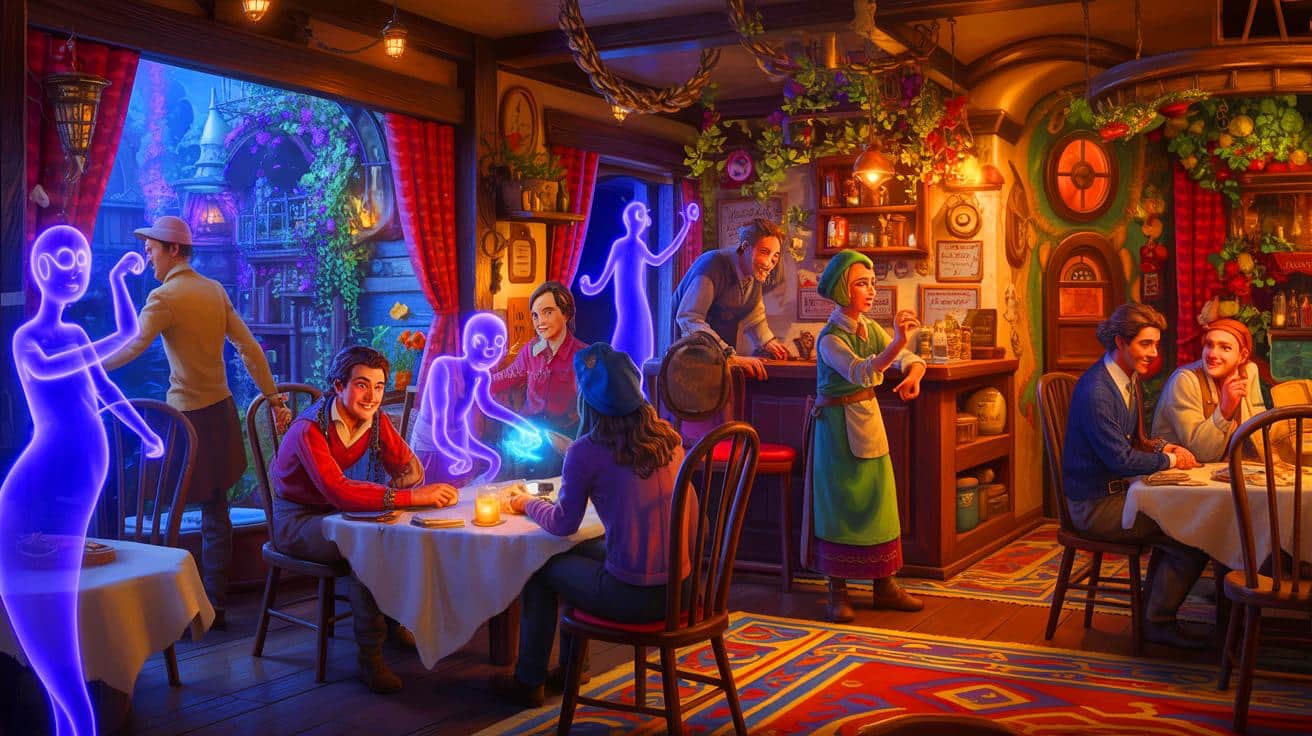
Magic Inn introduces players to a world where they assume the role of an exiled wizard turned innkeeper. The game, now available on Steam early access, offers players the opportunity to manage an entire tavern. From customizing rooms with magical touches to micromanaging daily operations, the game provides a comprehensive management experience. Early players have noted the engaging nature of the game, highlighting its potential to fill the void left by the delayed release of Haunted Chocolatier.
The game’s allure lies in its blend of intricate management mechanics and enchanting storytelling. Players are tasked with maintaining their inn while fostering relationships with both daytime guests and nocturnal ghostly visitors. This duality offers a unique twist on the traditional management sim formula, providing depth and replayability. With its early success, Magic Inn is establishing itself as a worthy competitor in the landscape of cozy life simulation games.
Engaging Mechanics and Gameplay
One of the standout features of Magic Inn is its focus on detailed mechanics. Unlike simpler management games, Magic Inn immerses players in every aspect of running a successful inn. From staffing decisions to room arrangements, players are deeply involved in each operational level. The game has been likened to Two Point Campus for its comprehensive approach rather than the more simplistic Cake Mania.
Moreover, the game introduces a unique system of influence and decision-making. Players can choose to use money and favors to sway judges, who are disguised as guests, to achieve a coveted 5-star rating. This mechanic introduces ethical dilemmas and strategic decision-making, enhancing the game’s depth.
The developers encourage players to navigate these challenges discreetly: “Nobody needs to know!”
This blend of strategy and intrigue keeps players engaged and invested in their inn’s success.
Building Relationships with Guests
At the heart of Magic Inn lies its emphasis on relationship-building. Players are encouraged to interact with a diverse cast of characters, each bringing unique challenges and opportunities. By day, players engage with regular guests, while by night, they encounter spectral visitors. This dynamic offers a rich narrative experience, allowing players to develop personal stories and connections within the game world.
The game also offers opportunities for players to recruit staff, including chefs, enhancing their inn’s operations. Players can choose to manage the kitchen themselves or delegate tasks to their recruited team. This flexibility allows for personalized gameplay experiences, catering to different management styles. As players navigate these social interactions, they are rewarded with deeper connections and a more vibrant game world.
The Future of Life Simulation Games
The arrival of Magic Inn on the gaming scene signals a promising future for life simulation games. With its blend of magical elements, detailed management mechanics, and rich narrative depth, the game is setting new standards for the genre. It caters to players seeking both engaging gameplay and a sense of community within the game world.
The success of Magic Inn could influence future game development, encouraging designers to explore more intricate and immersive simulation experiences. As players continue to seek out games that offer both challenge and charm, the demand for titles like Magic Inn is likely to grow. The game exemplifies the potential for innovation within the simulation genre, paving the way for future developments.
As the gaming community eagerly awaits the full release of Magic Inn, its early success raises intriguing questions about the future of life simulation games. Will other developers follow suit and create similarly immersive experiences? How will the blending of magical elements with strategic gameplay continue to evolve in this genre?