



Randy Pitchford Claims “It’s Worse Than Just a Download” as Furious Fans Slam the $60 Game-Key Card for Borderlands 4 on Switch 2
 By
Sanjay Mistry
By
Sanjay Mistry
| IN A NUTSHELL |
|
The gaming community is in uproar over the latest development in the Nintendo Switch 2 saga. Gearbox’s announcement that Borderlands 4 will be available via game-key cards is fueling the debate. This new distribution method is sparking controversy among gamers who value physical ownership. Many find the practice of providing a game-key card instead of a full physical version frustrating. The controversy has raised questions about the future of physical games and the implications for both consumers and publishers. This article explores the key issues surrounding game-key cards and their impact on the gaming industry.
The Rise of Game-Key Cards
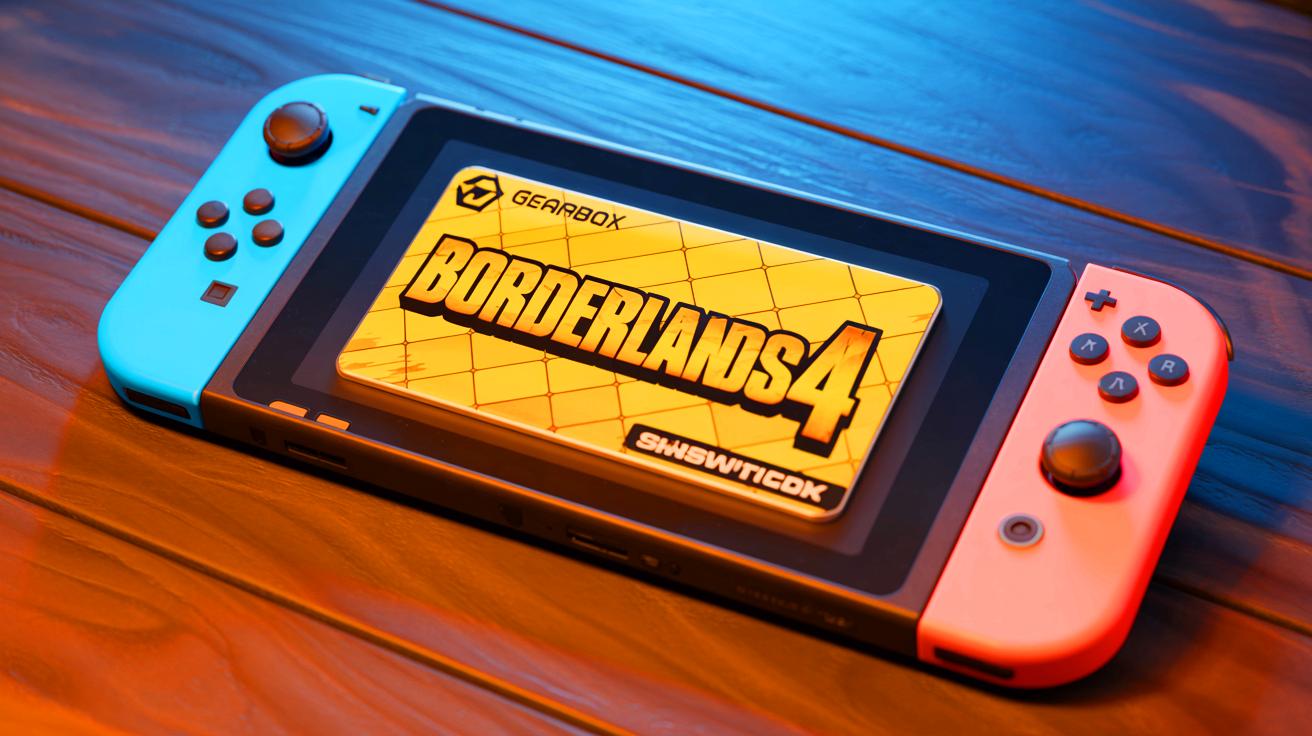
The introduction of game-key cards by Nintendo has been met with mixed reactions from the gaming community. These cards serve as a physical token but require a significant download to access the full game. For Borderlands 4 on the Switch 2, players need to download an additional 40 GB to play. While Randy Pitchford, Gearbox’s CEO, acknowledged the necessity due to file sizes, gamers are divided. Some appreciate the convenience of digital downloads, while others lament the loss of a tangible product. The shift towards game-key cards reflects broader trends in the gaming industry, where digital content is becoming increasingly prevalent.
The rationale behind this shift is partly economic. Producing physical cartridges can be costly for developers, especially for larger games with substantial data requirements. Game-key cards offer a more cost-effective solution, allowing developers to bypass the expense of high-capacity cartridges. However, this approach has its downsides. Gamers argue that the practice undermines the traditional model of game ownership. Instead of owning a complete physical copy, players are left with a partial product and a reliance on digital downloads.
Consumer Backlash and Publisher Perspectives
The backlash against game-key cards has been loud and clear. Many gamers feel that the new distribution model is a step backward for physical media. The sentiment is that players are receiving less for their money, with a physical package that contains little more than a download code. This frustration extends to collectors, who value the physical aspect of game ownership. The absence of a full physical cartridge renders the game-key card package less appealing and diminishes its collectible value.
Despite the backlash, publishers argue that the move towards game-key cards is necessary. As file sizes continue to grow, the feasibility of fitting entire games onto physical media diminishes. The president of Nintendo has stated that the introduction of game-key cards is a response to these growing file sizes. For publishers, the decision to use game-key cards is a practical one. It allows them to continue producing physical products without the prohibitive costs associated with large-capacity cartridges. Yet, the question remains whether this economic rationale justifies the shift away from traditional physical games.
Impact on the Industry and Future Implications
The introduction of game-key cards may have significant implications for the gaming industry. As more publishers adopt this model, the traditional notion of physical games is likely to evolve. This shift could lead to a reevaluation of what it means to own a game. For consumers, the reliance on internet connectivity and storage capacity becomes more critical. The convenience of digital access must be weighed against the loss of a complete physical product.
For the industry, the move towards game-key cards could signal a broader shift in distribution methods. As digital sales continue to rise, the necessity of physical products may diminish. However, the demand for physical media remains strong among certain segments of the gaming community. The ongoing tension between digital convenience and physical ownership will likely shape the future of game distribution. The industry must navigate these challenges carefully to balance economic viability with consumer expectations.
Evaluating Alternatives and Consumer Preferences
As the debate over game-key cards continues, alternative solutions are being considered. Some developers and publishers have explored the idea of hybrid models, combining digital downloads with limited physical content. This approach aims to satisfy both the demand for physical products and the practicalities of digital distribution. However, finding the right balance is challenging. The cost implications of producing physical media remain a significant hurdle for many publishers.
The question of consumer preferences also looms large. Nintendo has reportedly conducted surveys to gauge player opinions on game-key cards. The results of these surveys could influence future decisions by publishers and developers. Ultimately, the gaming industry’s ability to adapt to changing consumer preferences will determine the success of new distribution models. As the debate continues, the industry faces a critical juncture in its evolution. Will game-key cards become the norm, or will consumer demand drive a return to traditional physical games?
The controversy surrounding game-key cards on the Switch 2 highlights a critical inflection point for the gaming industry. As technology advances and file sizes grow, the balance between digital convenience and physical ownership becomes increasingly important. The debate raises fundamental questions about the future of game distribution and the value of physical media. How will publishers and developers respond to the challenges and opportunities posed by game-key cards, and what does this mean for the future of gaming? The answers will shape the industry’s trajectory in the coming years.