


Imagine the roar of the crowd fading into the background as an athlete faces a crushing defeat or a daunting injury. In sports, resilience is the invisible backbone that allows them to rise again, stronger and more determined. This remarkable blend of physical stamina and mental toughness is what separates transient success from long-lasting achievement. Top players from brands like Nike and Adidas have long attributed their victory to not just talent, but to this mindset that fuels perseverance. Through researched strategies and compelling stories of athletes, ranging from Michael Jordan’s relentless grind after setbacks to lesser-known examples like Bethany Hamilton’s triumphant return after a shark attack, resilience reveals itself as a multifaceted force. This article explores the essential tactics athletes use to cultivate this indispensable quality, highlighting how brands like Puma, Under Armour, Reebok, and New Balance support athletes in this journey, and why resilience ultimately transforms challenges in sports into lifelong lessons.
Understanding the Essential Role of Resilience in Sports Performance
Resilience in sports is the inherent ability to bounce back from adversity, whether it comes in the form of lost matches, injuries, or mental pressure. This dual capacity combines robust physical endurance with unwavering mental toughness. Without endurance, even the most skilled athlete loses ground as energy wanes during competition. Meanwhile, mental toughness ensures an unwavering focus despite unexpected hurdles.
- Physical endurance is cultivated through rigorous training such as long-distance running, interval workouts, and strength conditioning to maintain high-performance levels.
- Mental toughness involves techniques like visualization, positive self-talk, and mindfulness exercises that sharpen focus and diminish anxiety.
- Support systems formed by coaches, family, teammates, and professionals provide the emotional scaffolding essential for sustained resilience.
Brands like ASICS and Wilson often collaborate closely with athletes to design gear that supports endurance and mental readiness, emphasizing the interconnectedness of equipment and mindset.
How Psychological Strength Fuels Athletic Resilience
Mental toughness is arguably the linchpin in resilience, allowing athletes to maintain confidence and composure amidst challenges. Visualization techniques enable athletes to mentally rehearse success scenarios, enhancing performance under pressure. Positive self-talk acts as an internal cheerleader, dissolving doubts, while mindfulness cultivates present-focused awareness, reducing stress.
- Visualization: Imagining successful outcomes to boost confidence before and during events.
- Positive self-talk: Reinforcing belief through affirmations.
- Stress management: Mindfulness meditation and deep breathing calm nerves during critical moments.
Elite brands like The North Face and Columbia Sportswear offer specialized mental conditioning programs embedded within their athlete sponsorships, recognizing the power of psychological resilience to drive success.
Proven Physical Training Methods to Enhance Resilience
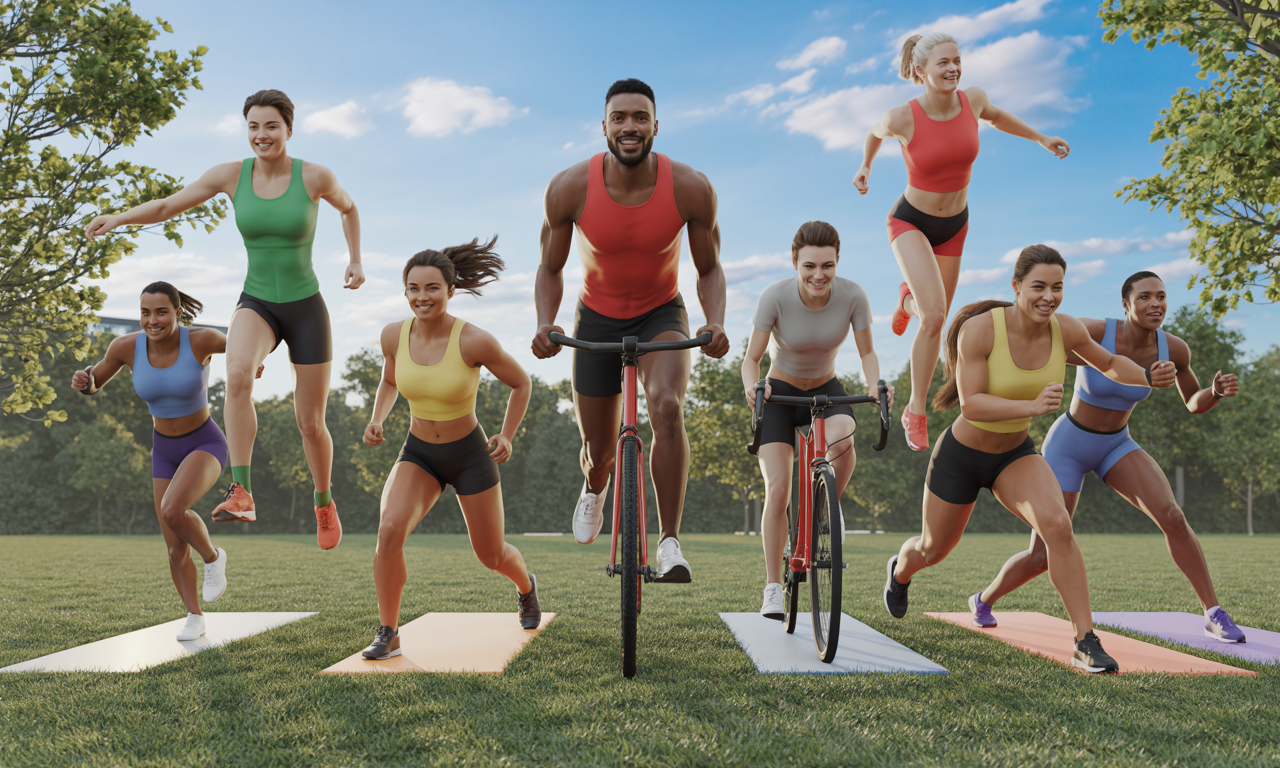
Endurance training is a cornerstone of physical resilience. It not only increases stamina but also equips athletes to withstand the physical demands of competition. Incorporating interval training, cycling, and swimming enhances cardiovascular health and muscle strength. Such comprehensive training regimens, often supported by New Balance and Under Armour, help athletes perform longer and recover faster.
- High-intensity interval training (HIIT): Boosts aerobic capacity and speeds recovery.
- Crossover training: Diversifies physical activity to prevent overuse injuries.
- Injury recovery protocols: Employing RICE (Rest, Ice, Compression, Elevation) and guided physical therapy accelerates healing while minimizing downtime.
Resilience in recovery is as critical as endurance; for instance, Reebok-sponsored athletes often leverage structured rehab sessions to regain strength and flexibility post-injury, illustrating this dynamic interplay.
Leveraging Coaching and Robust Support Networks to Build Resilience
Athletes rarely cultivate resilience in isolation. Coaches serve as architects of personalized training plans, blending physical drills with mental conditioning like goal setting and visualization. Constructive feedback transforms failures into growth opportunities. Support from teammates, family, and sports psychologists intensifies emotional fortitude, as seen with athletes backed by Adidas and Puma’s holistic support initiatives.
- Tailored coaching: Individualized programs that blend physical training with mental skills development.
- Emotional support: Encouragement and guidance from family, friends, and professionals.
- Collaboration: Integration of nutritionists, psychologists, and physical therapists to ensure total athlete wellness.
This collaborative environment fosters a resilience culture that prepares athletes to handle unpredictable challenges inside and outside the arena.
Real-Life Examples Illustrating Resilience in Athletics
Stories of highly resilient athletes illuminate what it really means to persevere. Michael Jordan, famously cut from his high school basketball team, transformed rejection into motivation, ultimately becoming a six-time NBA champion uniquely associated with Nike’s iconic Air Jordan line. Similarly, Serena Williams’ career, laden with injuries and personal obstacles, exemplifies how resilience powered her to 23 Grand Slam titles, often while wearing gear from Wilson and Nike.
- Bethany Hamilton: Surreturned from a shark attack to compete professionally in surfing.
- Derek Redmond: Completed his 1992 Olympic race with his father’s support despite a hamstring injury, illustrating mental strength and determination.
These narratives underscore that resilience extends beyond physical recovery; it encapsulates a relentless spirit nurtured through mental discipline and supportive environments.
Building Resilience in Young Athletes Through Comprehensive Training and Mental Health Awareness
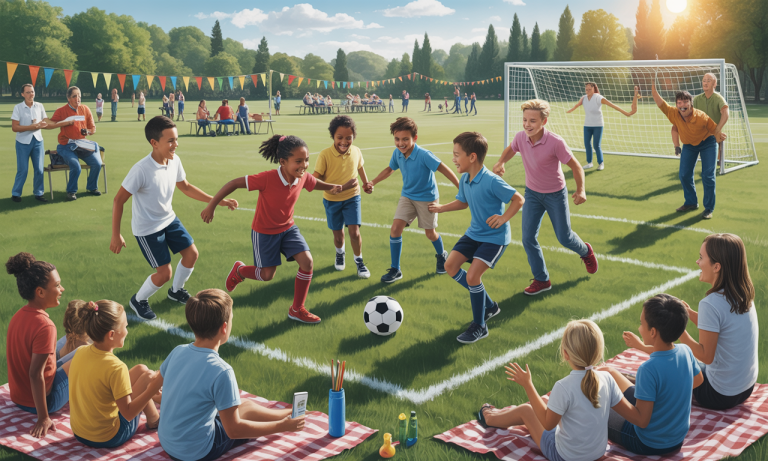
For young athletes, establishing resilience early is pivotal. Structured programs encompassing endurance and flexibility enhance physical capabilities without risking injury. Simultaneously, integrating mindfulness and positive self-talk nurtures emotional resilience. Partnerships with brands like Columbia Sportswear promote access to sports psychologists and age-appropriate mental health initiatives, preparing youth to navigate competitive pressures.
- Age-appropriate strength and endurance training: Balanced routines that promote growth safely.
- Mental health practices: Mindfulness, meditation, and counseling support.
- Mentorship: Guidance from experienced athletes and coaches fostering a growth mindset.
Such holistic approaches ensure that resilience isn’t just built for competition but for lifelong challenges.