

What makes a comedy about a sports coach work, season after season
The best coaching comedies are less about the game than about leadership, kindness and a team that keeps changing. Here is how they build characters and finales that last.
 By
Josh Whitaker
By
Josh Whitaker
A comedy about a sports coach looks simple on paper: a dressing room, a run of fixtures, a few jokes about tactics. The best ones, though, are rarely about the sport at all. They use the touchline as a stage for something warmer and harder to pin down, which is why they keep finding audiences who never cared about the game itself. Understanding how they work says a lot about what makes a character-led series last.
In brief
- The best ones, though, are rarely about the sport at all.
- A training ground is a workplace, and workplaces produce rivalries, favourites and unspoken loyalties.
- That balance of heart and structure, more than any particular sport, is what turns a coaching comedy into something people return to.
The coach as a stand-in for the audience
The coach is the ideal comic lead because the job is mostly about other people. He or she rarely scores, rarely plays, and spends the working week managing egos, soothing nerves and translating a plan into words that a tired group can absorb. That gives writers an endless supply of small human problems, each of which can be solved, or fumbled, in a single scene. It also gives viewers a point of entry. Even someone who has never watched a match understands what it is like to lead a team of people who do not always want to be led.
The strongest versions of this character are kind without being soft. Their optimism is a working method, not a personality quirk, and the show lets us see the effort behind it. When the coach is tired, sceptical or wrong, the comedy deepens, because the warmth is shown to cost something.
An ensemble that earns its laughs
A sports comedy lives or dies on its supporting cast. The gruff veteran, the anxious newcomer, the loyal assistant and the sharp-tongued owner each pull the lead in a different direction, and the sport supplies a natural reason for them to keep colliding. A training ground is a workplace, and workplaces produce rivalries, favourites and unspoken loyalties.
Good writers give every member of that group a private storyline that runs alongside the main plot. A player struggling with confidence, a staff member wondering whether the job is still right for them, a leader trying to protect something fragile: these threads let the show change tone quickly, moving from a sharp one-liner to a quiet scene without breaking the spell. The match itself often becomes background noise, a clock that forces the characters to act.
Why the finale matters more than the fixtures
Because the sport is only a frame, the season finale is not really about who wins. It is about who changes. The most satisfying closing episodes resolve the central relationships while leaving a few doors ajar, so viewers feel completion and curiosity at the same time. A coach stepping back, a rival becoming an ally, a long-standing worry finally spoken aloud: each of these closes one chapter and quietly suggests the next.
The trap is tying every thread. A finale that settles everything feels like an ending, and an ending is hard to follow if the story is meant to continue. Careful writers leave one question open for each major character, something small enough to be answered gently later, yet meaningful enough to make people talk once the credits roll.
What other comedies can learn from the formula
The lesson extends well beyond football pitches. Any series built around a leader and a team, whether a newsroom, a kitchen or a school, benefits from the same habits. Keep the leader’s flaws visible. Give the ensemble real stakes of its own. Let the setting generate pressure without dominating the story. And end each run of episodes with change rather than a tidy summary.
Viewers can use the same checklist when deciding what to watch next. If the humour comes from character rather than from gags alone, if the supporting players feel as fully drawn as the lead, and if the quiet scenes land as well as the loud ones, the show is probably built to last. That balance of heart and structure, more than any particular sport, is what turns a coaching comedy into something people return to.
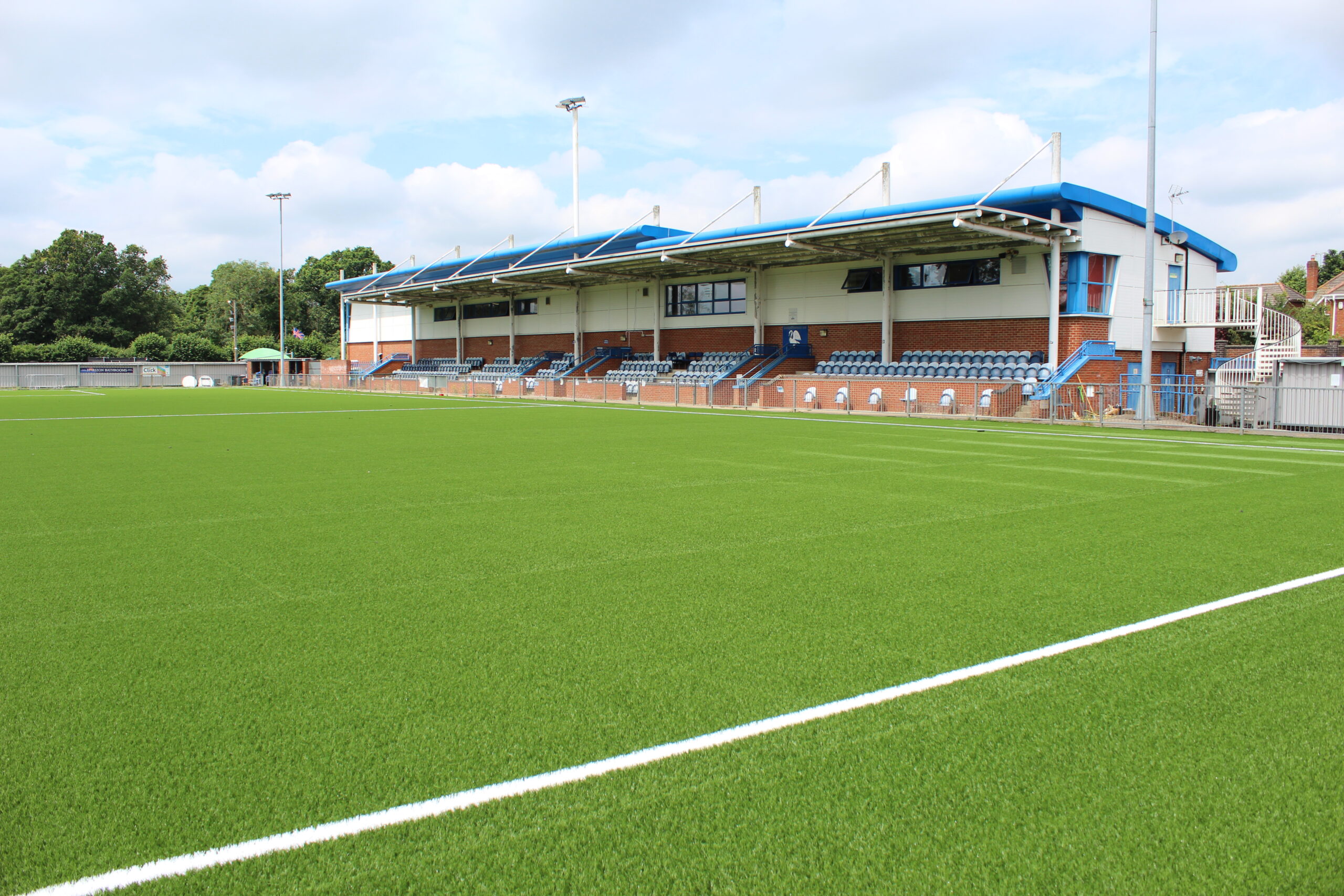
Featured image. Source: Wikimedia Commons. Credit: Paul Butler. License: CC BY-SA 4.0.