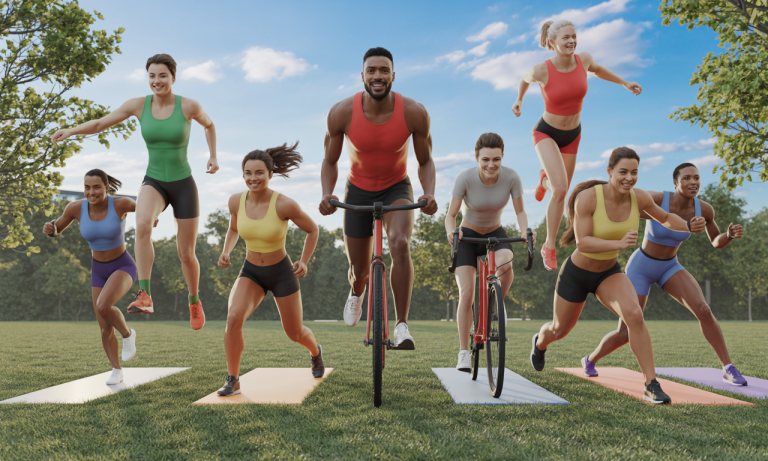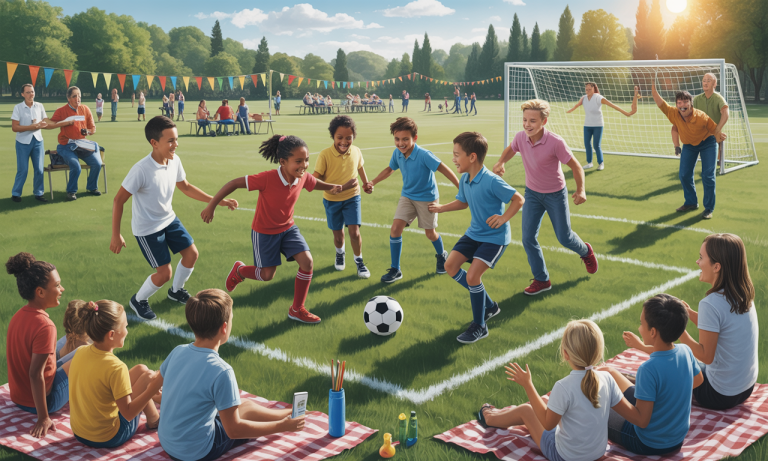





In the rapidly evolving world of sports coaching, 2025 stands out as a pivotal year where traditional methods blend harmoniously with innovative practices. Successful coaches today are not merely strategists; they are holistic leaders who nurture both the physical skills and the mental resilience of their athletes. The rise of digital platforms and tools allows for highly customized training experiences, while leading brands like Nike, Adidas, and Under Armour continue to redefine athlete performance through cutting-edge gear and technology. This new era demands coaches who can balance the intricacies of player development with the hype and pressures of competitive sports, fostering environments where athletes evolve on and off the field. Understanding what makes a successful sports coach in this modern context means embracing continuous learning, mental wellness, and strategic preparation, all while engaging with a community that values growth and collaboration.
Essential Qualities and Skills That Define a Successful Sports Coach in 2025
In 2025, the qualities that distinguish a great sports coach extend beyond tactical knowledge. Coaches must embody leadership skills that inspire and motivate, while also showing adaptability to new technologies and coaching methodologies. The emphasis has shifted towards a player-centered approach that promotes mental clarity, wellness, and resilience.
- Leadership and Communication: Effective coaches communicate with clarity, tailoring their style to individual athletes’ needs to build trust and ownership within the team.
- Mental Preparation: Following insights from experts like Danielle McDonough, top coaches now prioritize resilience training that leverages setbacks as opportunities for growth.
- Technological Savvy: Utilizing platforms such as CoachThem enables coaches to craft customized practice plans, track player progress, and foster meaningful conversations about development.
- Player Development Focus: Preparing detailed, purposeful drills that align with each athlete’s strengths and weaknesses is key to driving continuous improvement.
- Fostering Team Culture: A positive and collaborative environment is essential, with shared plans and strategies enhancing staff alignment and player support.
These qualities among successful coaches reflect a holistic understanding of sports leadership that prioritizes both individual and team growth.
How Digital Tools Like CoachThem Transform Coaching Practices
The integration of digital tools into coaching routines represents a game-changer. With platforms such as CoachThem, coaches can design tailored practice sessions that infuse intention into every drill and facilitate in-the-moment adjustments through quick notes. This level of preparation enables coaches to meet unique player needs while streamlining communication within coaching staff.
- Customized Drill Design: Craft drills aimed at bridging skills gaps or simulating specific game scenarios, providing targeted growth opportunities.
- Real-Time Feedback: The “Add Quick Note” feature empowers coaches to document observations instantly, enhancing accountability and responsiveness.
- Collaborative Planning: Sharing plans with assistant coaches nurtures a unified coaching philosophy and cohesive training environment.
- Holistic Development: Emphasizing both physical and mental growth ensures players develop resilience alongside technical mastery.
With these innovative tools, modern sports coaches transcend traditional roles, nurturing athletes who thrive under strategic and empathetic guidance.
Step-by-Step Pathway to Becoming a Successful Sports Coach in 2025
The journey to becoming a top coach in 2025 involves a blend of education, hands-on experience, continuous certification, and personal development. The pathway is more accessible yet requires dedication and adaptability to an ever-changing sports landscape.
- Acquire Relevant Education: Degrees in sports science, kinesiology, or sports psychology provide foundational knowledge, covering biomechanics, motor learning, and injury prevention.
- Gain Practical Experience: Start with volunteer roles or internships, observe veteran coaches, and progressively take on assistant coaching positions across youth, collegiate, or professional teams.
- Obtain Sport-Specific Certifications: Pursue recognized credentials such as those offered by governing bodies aligned to your sport, be it football, soccer, or basketball, to validate your coaching expertise.
- Develop Core Coaching Skills: Leadership, communication, motivation, and ability to cultivate a positive team culture are critical for sustained success.
- Define and Evolve Your Coaching Philosophy: Align your coaching methods with personal values, focusing on athlete character development and authentic leadership.
Following these steps with persistence and a growth mindset positions aspiring coaches for impactful careers in the dynamic sports world of 2025.
Brands and Gear That Support Coaches and Players in 2025
In 2025, the synergy between sports coaches and top athletic brands plays a crucial role in optimizing performance environments. Apparel and equipment providers such as Nike, Adidas, Under Armour, Puma, Reebok, and New Balance offer cutting-edge technology that not only enhances physical capability but also contributes to player confidence and recovery.
- Innovative Footwear: Brands like Asics and Saucony introduce tailored shoe designs engineered to improve agility and reduce injury risks.
- Performance Apparel: Lululemon and Champion deliver moisture-wicking, breathable fabrics that keep athletes comfortable during intense sessions.
- Smart Wearables: Wearable tech integrated with apparel provides coaches real-time biometric data to fine-tune training regimens.
The collaboration between coaches and these brands empowers athletes to train smarter and recover faster, underscoring the importance of quality gear in modern sports coaching.
Preparing Athletes Beyond Physical Training: The Mental and Emotional Dimension
The perspective of elite coaches like Danielle McDonough, who integrates sport and exercise psychology into her methodology, highlights that resilience and mental strength are as vital as physical prowess. In 2025, this has become a fundamental coaching component, where setbacks become fuel for profound growth, not just obstacles to overcome.
- Resilience Training: Teaching athletes to harness adversity as a stepping stone for improved performance and personal development.
- Intentional Practice Plans: Structured drills that aim to build not only skills but also confidence and composure under pressure.
- Growth-Oriented Feedback: Using specific, constructive commentary to encourage continuous mental and technical improvement.
- Holistic Athlete Wellness: Supporting emotional well-being through open dialogues and team culture that values psychological health.
By nurturing mental fortitude alongside physical training, sports coaches in 2025 cultivate athletes prepared to excel in all aspects of competitive sports and life.
The Role of Preparation and Organization in Sustaining Long-Term Success
Preparation lies at the heart of impactful coaching. Organized training sessions not only maximize time on the ice, field, or court but also foster an environment where every participant’s individual needs are met with precision. CoachThem exemplifies this with features enabling coaches to plan, adapt, and refine their sessions with agility.
- Structured Practice Planning: Allows coaches to focus on purposeful drills that align with development goals.
- Adaptability: Quick notes and instant feedback mechanisms enable on-the-fly adjustments.
- Team Alignment: Shared digital platforms ensure coaching staff and players stay synchronized.
- Data-Driven Decisions: Usage of player performance data guides strategic training modifications.
Such meticulous preparation transforms coaching from a reactive to a proactive endeavor, ensuring players consistently progress toward peak performance.