


How Fresh U.S. Tariffs Could Disrupt the Video Game Industry
New tariff measures may add pressure to console supply chains, hardware imports and physical game distribution, while the policy landscape continues to shift.
 By
Josh Whitaker
By
Josh Whitaker
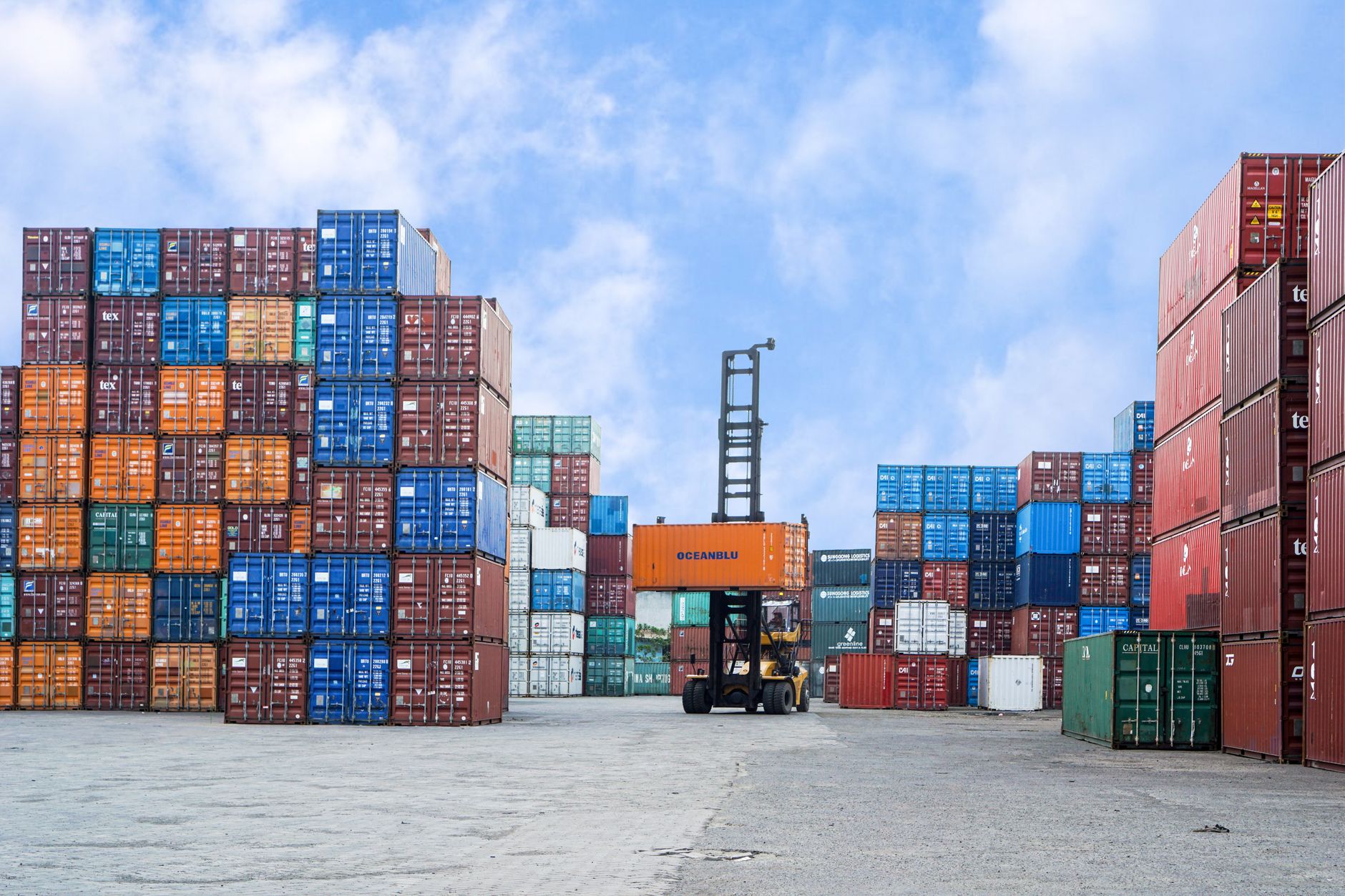
Fresh tariffs could create further complications for the video game industry by placing added pressure on the supply chains behind consoles, equipment and physical games. A recent TweakTown report on new tariffs says the measures have adversely affected the sensitive supply chains involved in console production, complicating both import and shipping costs.
In brief
- The United States announced a minimum 10% baseline tariff on imports on April 5, 2025, with higher rates for many countries.
- China exports approximately 58% of video game hardware and related equipment globally, according to Odin Law and Media.
- Tariffs can affect consoles, gaming equipment and physical video games imported into the United States.
- TweakTown reports that tariffs have complicated import and shipping costs in video game console production.
The immediate issue is not limited to a single product or company. Modern gaming hardware depends on manufacturing, parts, transport and distribution networks that cross national borders. When tariffs apply to imported physical goods, they can affect the costs encountered before a console, accessory or boxed game reaches a store shelf.
Why gaming hardware is exposed to tariff changes
Tariffs are duties assessed on imported physical goods at the point where they enter a jurisdiction. In an analysis of the changing U.S. trade environment, Odin Law and Media explains how new U.S. tariffs could reshape the video-game supply chain. The firm says that the United States announced a minimum 10% baseline tariff on goods imported from around the world on April 5, 2025, while many countries faced higher rates.
The analysis also notes that some goods from China were subject to tariffs as high as 145%, alongside a baseline rate of 125%. That matters to the games business because China exports approximately 58% of video game hardware and related equipment globally, according to Odin Law and Media.

Consoles are the most visible example, but the exposure described in the analysis extends to equipment used to create and play games. Hardware production is tied to a broad chain of components and finished goods. Changes in import duties can therefore become another variable in planning, shipping and distribution, even where companies have already built diversified operations.
Physical games and consoles face different pressures from digital releases
Odin Law and Media states that physical video games imported into the United States are also subject to tariffs. Its analysis adds that the dutiable value of a physical game is not necessarily confined to the disc itself, as related intellectual-property value and royalty obligations can be relevant to that calculation.
This distinction leaves a clear divide between goods that must cross a physical border and games delivered digitally. The same analysis says digital video games are not directly subject to tariffs because they do not have a physical port of entry, while also stressing that the trade-policy environment is evolving. That is useful context, but it does not settle how individual companies may price, distribute or package their products in response to future changes.
For readers following the wider market, Trident Media’s Video Games coverage tracks the releases, platforms and industry developments shaped by decisions beyond the games themselves. Tariffs illustrate how trade policy can become part of the background conditions for a business usually discussed through software launches and hardware cycles.

What the industry has faced before
Concerns about tariffs and game hardware are not new. Reason reported on the potential impact of tariffs on gaming, including the possibility of higher console prices and disruption to an industry it described as worth $66 billion.
Reason also reported that Microsoft, Nintendo and Sony issued a joint letter in 2020 about the video game industry’s economic importance before the United States suspended tariffs on consoles. That earlier episode shows that console tariffs have previously drawn coordinated attention from the companies most closely associated with the market.
What happens next remains uncertain. Odin Law and Media characterizes tariff policy as quickly changing and says rates may be altered, reduced or eliminated as trade discussions develop. The available reporting supports concern about additional supply-chain and cost pressure, but it does not establish a final tariff structure, a specific price increase for consoles, or a confirmed manufacturing decision by any individual game company.
For now, the most concrete takeaway is that tariffs remain a practical issue for physical gaming goods. As import rules shift, the effects on console production, hardware logistics and boxed-game distribution will depend on the details of policy and the supply-chain choices made by the companies involved.
Featured image. Source: Pexels. Credit: Aan Amrin. License: Pexels License.