



How augmented reality is influencing the future of TV
 By
Freya Donnelly
By
Freya Donnelly
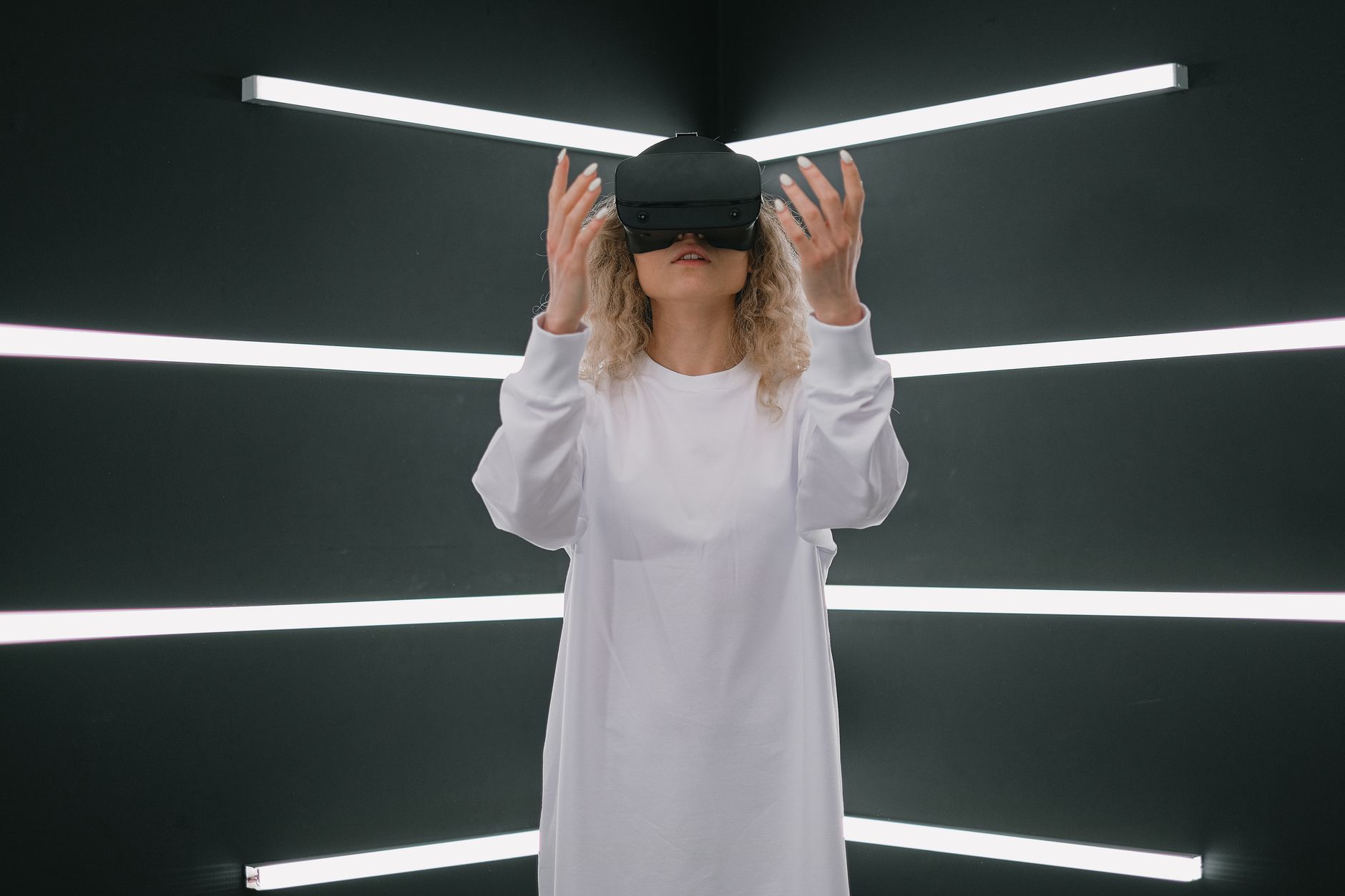
As technology continues to weave itself ever more intricately into the fabric of our daily lives, augmented reality (AR) emerges not merely as a novelty but as a transformative force reshaping the television landscape. No longer limited to enhancing gaming or mobile experiences, AR is now poised to redefine how audiences engage with content, blending digital layers seamlessly into their physical environment. Industry leaders such as Samsung, Sony, and LG are racing to integrate these immersive innovations into their smart television offerings, while technology giants like Microsoft, Apple, and Google explore AR’s vast potential to revolutionize interactive storytelling and viewer participation. The infusion of AR heralds a future where watching TV evolves from passive consumption into an engaging, personalized experience, fundamentally shifting both production and viewership paradigms.
Immersive Experiences: How Augmented Reality Transforms Viewer Engagement
Augmented reality extends the boundaries of traditional television by overlaying dynamic content that interacts with the viewer’s surroundings. Companies like Oculus and Magic Leap have developed sophisticated AR hardware that facilitates this immersive environment, enabling audiences to become active participants in the storytelling process. Samsung and Sony have already incorporated AR capabilities into their latest TV models, offering features such as 3D virtual objects and interactive overlays that respond to voice commands and gestures.
- Personalized Storytelling: AR allows narratives to adapt in real-time based on viewer inputs and surroundings, creating bespoke content experiences.
- Interactive Elements: Viewers can explore characters, settings, or information layers embedded within shows, enhancing depth and engagement.
- Enhanced Social Viewing: Shared AR experiences enable multiple viewers to interact virtually within the same program environment.
Through these innovations, AR is dismantling the traditional passive viewing model and establishing a two-way dialogue between content and audience that deepens immersion and emotional resonance.
Technological Catalysts Driving AR Integration in Television
The leap towards AR-enabled TV experiences is powered by advances in several interconnected technologies. Nvidia’s powerful GPUs render rich, real-time AR scenes with minimal latency, while Snap Inc. contributes cutting-edge AR filters and spatial mapping technologies that translate seamlessly into living room applications. Google’s expertise in AI and voice recognition complements these developments by enabling natural interaction modalities, allowing viewers to navigate content effortlessly with simple verbal commands or gestures recognized by embedded sensors.
- High-fidelity Rendering: Critical for realistic overlays that convincingly blend AR content with physical environments.
- AI and Voice Recognition: Intuitive interfaces that reduce barriers to AR adoption among diverse demographics.
- Spatial Mapping Technologies: Precise environmental scanning that customizes AR elements to each viewer’s unique setting.
This convergence of technologies empowers manufacturers like LG and Apple to deliver AR experiences that are not just visually stunning but also seamlessly integrated and user-friendly.
Revolutionizing Reality TV Through Augmented Reality
The realm of reality television stands on the cusp of a profound transformation as augmented reality infuses interactivity directly into programming. Drawing on insights from industry analysts like Taylor Creel, networks are evolving their formats to empower audiences to influence storylines and outcomes through real-time engagement. By incorporating AR features, producers enable viewers to vote, participate in challenges, and even alter show trajectories while immersed in dynamic virtual environments hosted by their preferred smart TVs.
- Real-time Viewer Influence: Augmented reality platforms make it possible for audiences to shape narratives as events unfold.
- Interactive Challenges and Voting: AR applications overlay interactive elements that encourage active participation.
- Global Reach and Cultural Relevance: AR transcends geographic limitations, crafting experiences tailored for diverse international audiences.
This level of engagement signifies a shift toward more personalized and immersive reality TV, where the boundary between viewer and participant fades, forging a co-created entertainment journey.
Ethical Considerations in the AR-Driven TV Future
As AR technologies embed themselves within television, ethical challenges emerge that demand careful navigation. Ensuring participant privacy and viewer safety requires stringent protocols, especially when features such as voice recognition and real-time data collection are involved. Microsoft and other leading corporations advocate for transparent data use policies and robust security standards to protect sensitive information within these interactive environments.
- Privacy Protection: Guarding user data against unauthorized access and ensuring consent for all AR interactions.
- User Safety: Designing interfaces that prevent misuse or overexposure to immersive content.
- Equitable Access: Bridging the digital divide so AR-powered TV experiences remain inclusive.
Addressing these considerations lays the groundwork for sustainable innovation and fosters trust between creators, technology providers, and audiences alike.
The Road Ahead: Integrating AR into Everyday Television
Looking forward, the blending of augmented reality into television promises to become as commonplace as HD once did. With rapid advancements spearheaded by companies like Apple, Samsung, and Nvidia, the technology is becoming more affordable and accessible. A future where viewers don’t just watch their favorite shows but step inside them, manipulate storylines, and engage with content creators is not far off.
- Affordable AR Hardware: Continued miniaturization and enhanced performance make AR capabilities a standard TV feature.
- Cross-Platform Integration: Seamless experiences across mobile, desktop, and smart home devices enable content continuity.
- Content Ecosystem Expansion: New AR-focused production studios and creative talent drive diverse programming suited for immersive formats.
As these developments unfold, television will evolve into a living, interactive medium, one that captures the imagination and participation of viewers across the globe.