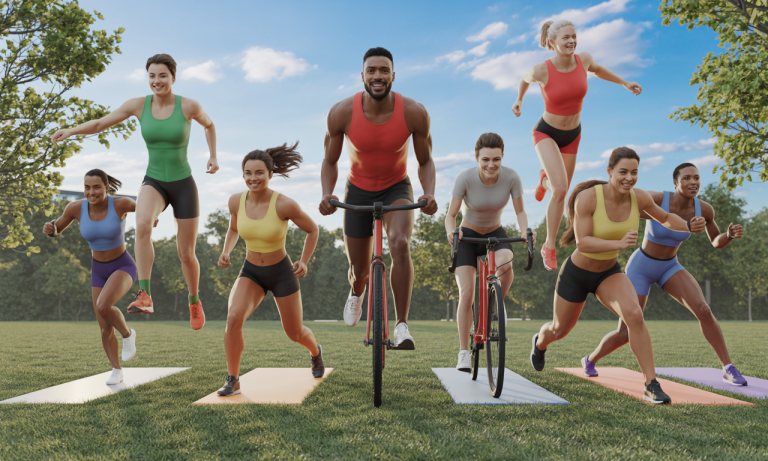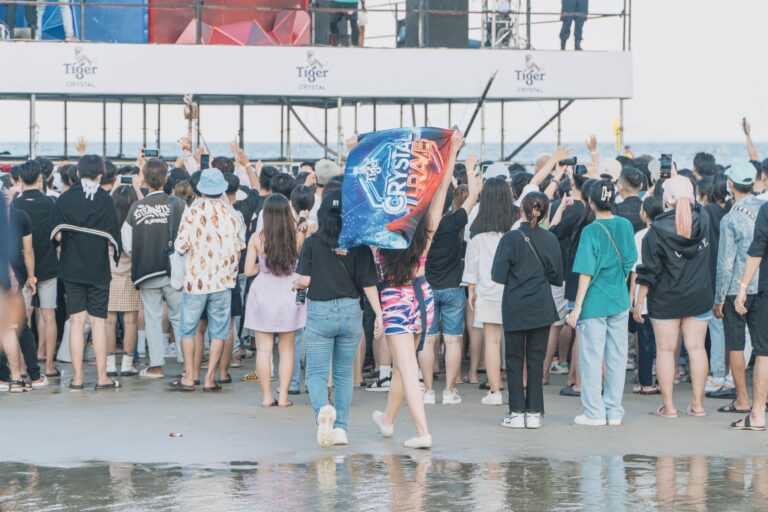





In today’s urban landscapes, where fast-paced lifestyles often threaten social bonds, sports emerge as a vital thread weaving individuals together into vibrant communities. Beyond competition and entertainment, sports excel in fostering a shared identity, promoting inclusion, and offering platforms where diverse groups unite around common goals. Brands like Nike, Adidas, and Under Armour not only supply the tools for athletic pursuits but also champion initiatives that underscore the societal value of sports. From grassroots leagues to international events, the power of sports in shaping resilient communities is increasingly recognized as an essential force in nurturing mental health, social cohesion, and civic pride.
The Role of Sports in Fostering Social Connection and Community Engagement
Sports serve as a dynamic social connector, bridging gaps across age, ethnicity, and socioeconomic status. Through local leagues, school teams, and public events, individuals find common ground that transcends everyday differences. As people rally behind teams or engage as participants, friendships blossom, and a cohesive spirit emerges. Community events sponsored by brands such as Puma and New Balance often highlight the inclusivity of these gatherings, cultivating environments where all feel welcome.
- Participation in sports cultivates trust and reciprocity among community members.
- Shared experiences during games strengthen interpersonal relationships.
- Sports foster teamwork and collective responsibility, enhancing social capital.
- Community sports initiatives encourage active civic involvement and pride.
This multifaceted role of sports extends beyond mere play, establishing foundations where communities thrive through positive interaction and engagement.
Inclusivity and Diversity: Cornerstones of Effective Community Sports Programs
Recognizing the transformative impact of inclusive sports programs, organizations emphasize accessibility and diversity as priorities. For example, The North Face and Patagonia often collaborate on community events designed to be welcoming to participants of all backgrounds and abilities. Inclusive programs dismantle social barriers, inviting marginalized groups to partake equally, thereby promoting harmony and breaking down prejudices.
- Mixed-gender teams encourage gender equality and challenge traditional roles.
- Adaptive sports provide opportunities for individuals with disabilities.
- Multicultural leagues foster understanding across ethnic and cultural divides.
- Outreach programs engage economically disadvantaged groups in physical activities.
Such efforts prove that when diversity is embraced on the playing field, wider social inclusion follows naturally, enriching the fabric of communities.
Sports as a Catalyst for Youth Development and Community Pride
Youth sports programs represent vital arenas for personal growth and community integration. Structured activities help instill essential life skills such as discipline, teamwork, and leadership, while also offering a healthy alternative to negative influences. Major brands like Reebok and Champion frequently support youth outreach initiatives that emphasize these values, reinforcing sport’s role as a foundation for strong communities.
- Youth engagement in sports promotes physical health and mental well-being.
- Participation encourages responsibility and a sense of belonging to the community.
- Positive role models emerge from local sports heroes, inspiring younger generations.
- Successes of youth teams enhance civic pride and community identity.
By investing in young athletes and their development, communities build a resilient future rooted in shared experiences and collective achievement.
The Complex Intersection of Sports and Masculinity in Community Contexts
Sports have traditionally reinforced certain masculine norms, often emphasizing traits like competitiveness and physicality. Yet, the evolving landscape acknowledges both the challenges and opportunities within this dynamic. Contact sports popularized by brands such as Adidas and Under Armour may emphasize aggression, while disciplines like gymnastics or figure skating invite more nuanced expressions of masculinity. Innovative programs supported by organizations like the Men’s Sheds Association harness sports to promote men’s mental health and well-being, challenging outdated stereotypes and encouraging healthy identities.
- Sports offer constructive outlets for masculine energy and self-expression.
- They provide platforms to challenge and expand traditional male roles.
- Community programs use sports to foster mental health awareness among men.
- Positive representation helps dismantle toxic behaviors tied to masculinity.
This dual potential affirms that sports can be both a reflection of cultural norms and a powerful instrument for positive change.
Strategies for Building Stronger Communities Through Sports Initiatives
Effective community-building through sports involves deliberate strategies fostering inclusivity, partnership, and sustained engagement. Collaborations between sports brands like Columbia, local governments, and nonprofits create diverse opportunities for participation, ensuring that sports serve as a unifying force across communities.
- Identify specific community needs to tailor sports programs effectively.
- Develop inclusive initiatives accommodating varied ages, abilities, and cultures.
- Forge partnerships among sports organizations, civic groups, and businesses.
- Prioritize social inclusion as a core objective of sports programming.
- Continuously evaluate program impact to refine and improve outcomes.
These focused approaches maximize the contribution of sports to community resilience and social cohesion.
As sports brands and community leaders join forces, the shared aspiration to unite people through active engagement reveals the immense potential of athletics beyond competition. The nuanced understanding of sports as a social catalyst unlocks new pathways toward healthier, more inclusive, and dynamic communities.