



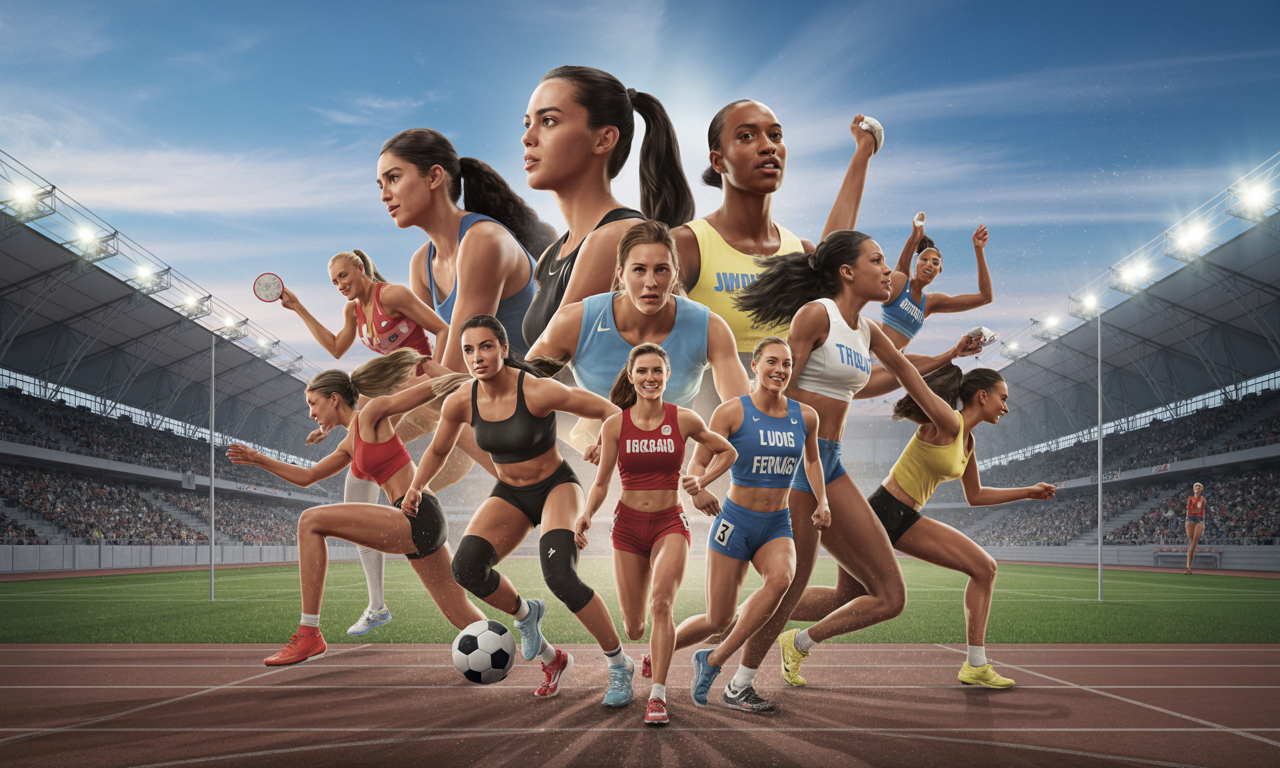
In recent years, women’s sports have emerged from the shadows of societal restrictions to capture the global spotlight, reflecting a profound transformation in both athletic prowess and cultural acceptance. Once considered peripheral, female athletes now break records, redefine gender norms, and lead vibrant movements that reach far beyond the playing fields. Their journeys, often marked by resilience and advocacy, illustrate not only sports evolution but an ongoing shift toward inclusivity and equity. This surge is supported by growing media coverage, significant sponsorship from brands like Nike, Adidas, and Puma, and widespread fan engagement, all fueling a movement that champions diversity, equity, and the power of sport to inspire social change. As these athletes continue to push boundaries in arenas worldwide, they pave the way for future generations of women to embrace athletics fully and fearlessly.
Historical Challenges and Pioneering Breakthroughs in Women’s Sports
The roots of women’s sports trace back to phases of profound adversity, shaped by societal norms that framed athletic competition as unsuitable for women. Early barriers included explicit exclusion from events like the inaugural 1896 Olympics and limited recognition in sports deemed acceptable for women, such as tennis or golf.
Despite these hurdles, foundational steps were taken to challenge these constraints. Organizations like the Women’s Amateur Athletic Association championed female participation, while pioneering athletes emerged to defy expectations. Iconic moments such as Billie Jean King’s victory in the 1973 “Battle of the Sexes,” which captivated 90 million viewers worldwide, signified turning points that challenged entrenched gender biases.
- Exclusion from the 1896 Olympic Games under the belief that women’s participation was “impractical.”
- Limited 1900 Olympic participation in “ladylike” sports such as tennis and golf.
- Creation of associations in the 1920s advocating for women’s equivalent sports opportunities.
- Historic victories that validated women’s athletic capabilities and gained mass support.
These early confrontations with prejudice laid the groundwork for the evolution witnessed today, a foundation built on persistence and unwavering determination to claim rightful space in sports.
Breaking New Ground: Shifting Public Perception and Unprecedented Achievements
The mid to late 20th century marked significant milestones wherein female athletes garnered global acclaim and shifted the sporting world’s perception. Champions like Wilma Rudolph, overcoming physical adversity to dwarf records in the Olympics, and Serena Williams, whose dominance reshaped tennis paradigms, exemplify this evolution.
Moreover, the establishment of dedicated women’s competitions opened new avenues. The launch of the Women’s World Cup in 1991, for example, legitimized women’s soccer on a global platform, while equal prize money at the U.S. Open stemmed from relentless advocacy by athletes such as Billie Jean King.
- Wilma Rudolph’s Olympic triple gold medals in 1960.
- Billie Jean King’s “Battle of the Sexes” victory in 1973, a cultural milestone.
- Inauguration of the FIFA Women’s World Cup in 1991.
- Achievement of equal prize money at the U.S. Open in 1973.
Such breakthroughs shifted paradigms and legitimized women athletes’ presence on global stages, signaling the dawning of a new era in sports.
Media and Sponsorship Powering Women’s Sports Expansion
The growing visibility of women’s sports has been substantially propelled by advances in media attention and corporate sponsorship. From the landmark 1999 U.S. Women’s National Soccer Team World Cup win, widely broadcast and celebrated, to the rise of dedicated platforms like ESPNW and DAZN, media exposure has transformed women’s sports into mainstream culture.
Equally influential, sponsorships by corporate giants such as Nike, Under Armour, and Lululemon have injected critical funding and marketing muscle, boosting athletes’ profiles and league infrastructures. For instance, Visa’s support of FIFA Women’s World Cup underlined commercial commitment, while campaigns by Puma and Reebok featuring prominent female athletes amplify their cultural impact far beyond athletic performance.
- Media platforms expanding consistent coverage of women’s sports leagues and competitions.
- Key sponsorships by brands including Nike, Adidas, and Lululemon supporting events and athletes.
- Leveraging athlete ambassadors like Serena Williams and Naomi Osaka to elevate branding.
- Broadening fan engagement through innovative digital and broadcast strategies.
The synergy between media presence and corporate backing has turned women’s sports from niche interest into a vibrant, globally influential phenomenon.
The Emergence of Cultural Icons Beyond the Field
Today’s women athletes personify more than athletic excellence, they shape societal discourse. Figures like Megan Rapinoe and Naomi Osaka merge sports with advocacy, tackling issues from gender equality to mental health awareness, demonstrating how sports transcend competition into platforms for social change.
This duality enriches their impact, inspiring fans while pushing industries like fashion and fitness, led by innovators such as Athleta and Fabletics, to embrace women’s sports culture fully.
- Megan Rapinoe’s advocacy for LGBTQ+ rights and equal pay.
- Naomi Osaka’s open dialogue on mental health challenges.
- Integration of women athletes with lifestyle brands such as Bolle and Champion.
- Role of athletes in driving broader social conversations through public platforms.
These cultural ambassadors demonstrate how female athletes shape narratives that redefine power, resilience, and leadership beyond sports.
Global Competitions Solidifying Women’s Sports Recognition
Events such as the FIFA Women’s World Cup and Olympic Games have thrust women’s sports into unprecedented prominence. The staggering 1.12 billion viewers for the 2019 Women’s World Cup emphasize massive global interest, supported by Adidas, Coca-Cola, and other key sponsors. Meanwhile, near parity in Olympic participation, with women comprising 49% of athletes by 2020, underscores gender equality milestones on the grandest stages.
Additionally, sports traditionally associated with men, like cricket and rugby, now feature vibrant women’s leagues drawing record attendances and media focus, reflecting a steady diversification of the sports ecosystem.
- Record-breaking viewership of the 2019 FIFA Women’s World Cup.
- Women representing nearly half of Olympic athletes in recent games.
- Emergence of women’s T20 Cricket and Rugby World Cups with growing fan bases.
- Increased corporate and media investment elevating non-traditional women’s sports.
Beyond entertainment, these competitions solidify the status of women’s sports as major cultural and economic players worldwide.
Economic Impact Fueling Growth and Sustainability
The financial landscape of women’s sports is evolving, revealing significant growth marked by rising revenues and sponsorships. The 2019 Women’s World Cup generated over $131 million, illustrating increased market viability, while leagues like the WNBA and Barclays Women’s Super League showcase sustained fan engagement and financial improvement.
Grassroots initiatives, often supported by sponsors and brands like Under Armour and Puma, play a crucial role in cultivating future talent, ensuring long-term prospects for women’s sports globally.
- Revenue surge exemplified by Women’s World Cup earnings exceeding $130 million.
- Growth in attendance and broadcast deals for leagues such as the WNBA and WSL.
- Investment in grassroots programs by global organizations to nurture young athletes.
- Expanding market interest from brands such as Fabletics and Athleta to women’s sports demographics.
Robust economic foundations now underlie the progress toward equality, with increasing resources benefiting athletes and fans alike.
Continuing Challenges on the Road to Equality
Despite transformative progress, significant obstacles remain to achieve full equity in women’s sports. Pay disparities persist, with female athletes often receiving substantially less remuneration than male counterparts in basketball, cricket, and golf. Media coverage for women’s sports remains underrepresented, accounting for less than 10% globally according to a 2021 UNESCO report.
Infrastructure inequalities and persistent cultural biases also continue to hinder the full realization of equity. However, ongoing advocacy driven by athletes and allies seeks to dismantle these barriers and amplify women’s presence in all sports arenas.
- Continued gender wage gaps in professional sports despite advances.
- Underrepresentation of women’s sports in global media coverage.
- Unequal investment in training facilities and league support.
- Cultural stereotypes challenging recognition and respect for female athletes.
Addressing these challenges remains crucial in securing the legacy and future ascendance of women’s sports worldwide.
Vision for the Future: Empowerment and Inclusion in Women’s Sports
Building on past achievements, the trajectory of women’s sports points toward a more inclusive and equitable landscape. With sustained investment, evolving cultural attitudes, and increased visibility, women athletes are positioned to continue shattering records and inspiring generations.
Brands from Champion to Bolle, organizations, and fans collectively have the opportunity to foster environments where every woman can thrive in sport, ensuring that the best years of women’s athletics lie ahead.
- Emphasis on equal pay initiatives and expanded media platforms.
- Strategic partnerships supporting diversity and grassroots development.
- Promotion of women’s leadership in sports administration and coaching roles.
- Ongoing cultural shifts reinforcing respect, representation, and recognition.
Embracing this progressive vision promises a future where women’s sports not only sustain their growth but become a defining pillar of global athletic culture.