

Ava DuVernay’s 14th brings the 14th Amendment to Netflix
The 13th follow-up closed the New York Film Festival and traces citizenship, Reconstruction and its violent collapse before a December streaming debut.
 By
Sanjay Mistry
By
Sanjay Mistry
Ava DuVernay’s documentary 14th, a study of the constitutional amendment ratified in 1868, has premiered at the New York Film Festival as its closing-night selection.
In brief
- 14th premiered as the closing film of the New York Film Festival and runs 108 minutes.
- Netflix plans a short theatrical release on November 27 and streaming from December 4.
- The documentary follows DuVernay’s Oscar-nominated 13th from 2016.
- Interviewees include Sherrilyn Ifill, Stacey Abrams, Eric Foner and Alexandria Ocasio-Cortez.
A follow-up to 13th, made for Netflix
The film returns DuVernay to the ground she covered in 13th, her 2016 documentary about the amendment that abolished slavery, which earned an Oscar nomination. Critics have described the new work as either a sequel or a companion piece. It runs 1 hour 48 minutes and was made for Netflix, which has scheduled a brief run in theaters on November 27 before the film arrives on the streaming service on December 4.
Where 13th examined a single, compact amendment, the new film takes on a far denser text. The 14th Amendment has five sections, covering subjects that range from insurrection to due process, and it is best known for guaranteeing equal protection under the law.
What the 14th Amendment changed
The documentary frames the three amendments adopted after the Civil War, the 13th, 14th and 15th, as a restart of American society. It also argues that this period had its own framers, naming Thaddeus Stevens, John Bingham and Charles Sumner as the lawmakers behind that second founding.
One of the amendment’s most concrete effects was birthright citizenship: anyone born in the United States became a citizen. In the film’s telling, that guarantee was meant to cover both the children of formerly enslaved people and the children of immigrants.
The consequences reach well beyond the 19th century. According to The Hollywood Reporter, the amendment underpins Supreme Court rulings that allowed interracial marriage and same-sex marriage. Variety notes that its power only began to reassert itself with Brown v. Board of Education in 1954, after decades in which its protections were hollowed out.
Reconstruction, then the backlash
Much of the film is devoted to what happened after abolition, when formerly enslaved Americans entered public life in large numbers, and to the violent reaction that followed.
The collapse of Reconstruction is traced through organized violence in the South, the rise of the Ku Klux Klan and the spread of the Lost Cause myth, which recast the Confederacy in a nostalgic light. The monuments are the most visible legacy of that myth, and DuVernay brings the story to the present in Richmond, Virginia, where the statue of Robert E. Lee was taken down. The film follows Devon Henry, the contractor hired to remove the city’s Confederate monuments.
How the film is built
DuVernay keeps her interviewees on screen rather than reducing them to offscreen voices, and she mixes scholarship with politics, comedy and archival imagery:
- Voices: civil rights attorney Sherrilyn Ifill, whom Variety identifies as the film’s central figure, alongside Stacey Abrams, historian Eric Foner, Alexandria Ocasio-Cortez, Jasmine Crockett, Alex Padilla, Anna Paulina Luna and former Librarian of Congress Carla Hayden.
- Comedy: stand-up clips from George Carlin and Paul Mooney, as cited by Variety, and from Hasan Minhaj, according to The Hollywood Reporter.
- Craft: editing by Spencer Averick and a score by Jason Moran.
- Archive: old black-and-white photographs brought to life with an animation effect.
Why the timing matters
The film does not stop at history. It also examines recent attempts to weaken the 14th Amendment, which places its arguments about citizenship and equal protection squarely in current political debate.
That gives the release calendar some weight for viewers. The Hollywood Reporter points out that the U.S. midterm elections take place on November 3, which means the theatrical run and the Netflix debut both come after voters have cast their ballots.
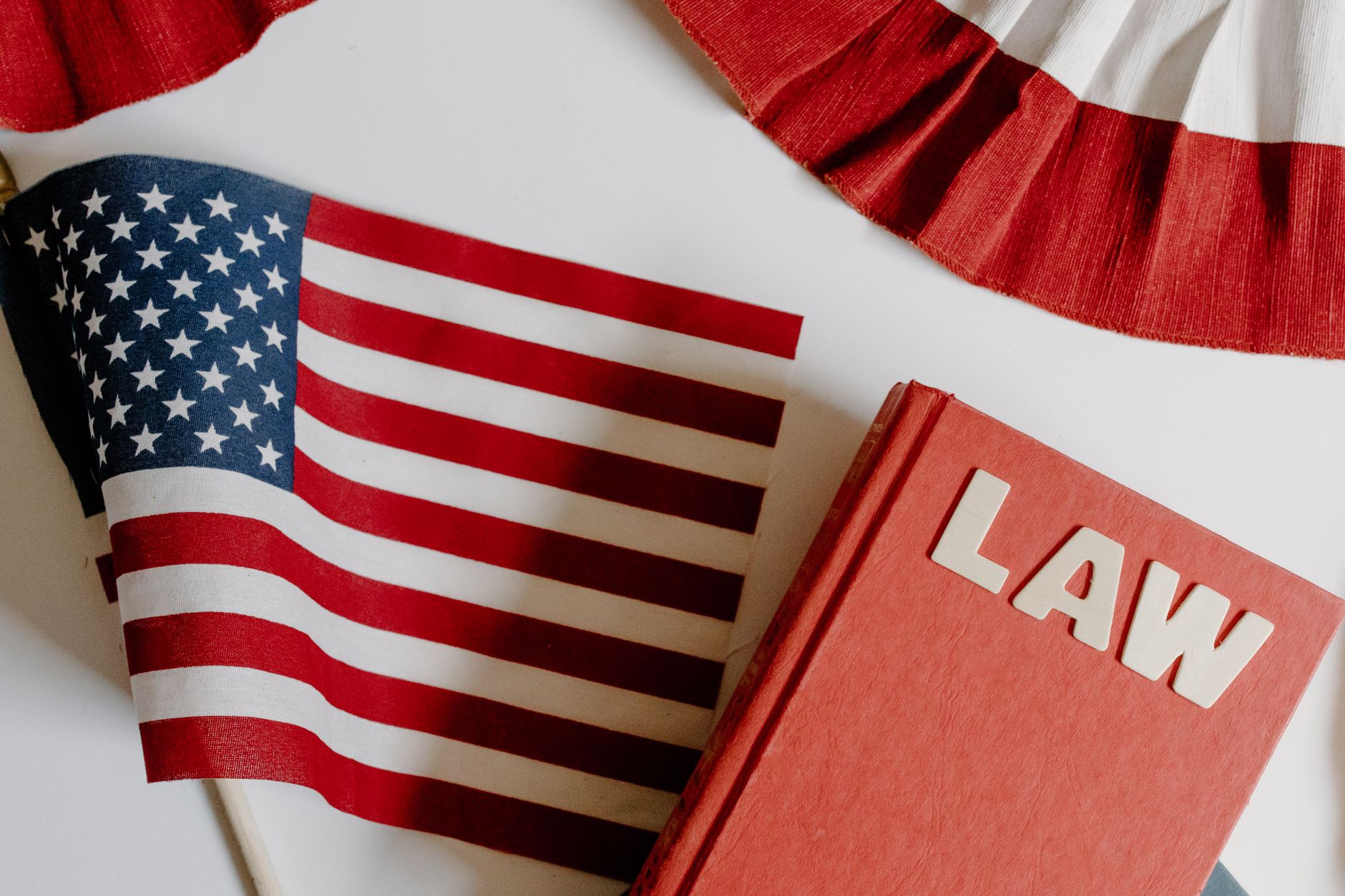
Featured image. Source: Pexels. Credit: Tara Winstead. License: Pexels License.
Continue reading