



As we move further into the 2020s, television technology is poised for a remarkable evolution that will redefine home entertainment. Imagine unrolling your TV like a scroll or immersing yourself in vivid 8K resolution with audio that surrounds you like a live concert. Brands such as Samsung, LG, Sony, TCL, and Hisense are at the forefront, pioneering advancements that combine stunning display innovations with intelligent features powered by artificial intelligence. The shift towards larger screens with higher brightness and smarter functionalities is shaping the landscape, alongside creative designs like rollable and transparent displays that seamlessly blend into living spaces. While some technologies like 8K face challenges in adoption, others promise to revolutionize how we watch and interact with content. This journey through upcoming TV technologies highlights the breakthroughs, emerging trends, and sustainability efforts that will define the next decade of television.
Revolutionary Display Technologies Poised to Transform TV Viewing Experience
The core of the TV experience has always been the display, and the coming years promise a surge in innovation from established giants like Samsung and LG, alongside challengers such as Sony, TCL, and Philips. These technologies not only enhance picture quality but also open doors to new form factors and interactive possibilities.
- MicroLED: Combining perfect blacks and impressive brightness, MicroLED is widely regarded as the pinnacle of display quality, promising long lifespan and no burn-in issues. Brands like Samsung and Hisense are investing heavily in this technology, aiming to replace traditional LCDs and compete with OLEDs.
- OLED Variants: Innovations such as WOLED, QD-OLED, and MLA-OLED continue to refine OLED’s signature ultra-contrast and vibrant colors, with LG and Sony leading the charge in brighter and more efficient panels.
- QLED and Mini-LED Technologies: QLED TVs by Samsung and Mini-LED models from Hisense and TCL enhance brightness levels and color accuracy, increasing the appeal of premium mid-range options.
- Emerging Screens: Transparent, rollable, and flexible displays from pioneers like LG’s Transparent OLED or TCL’s NXTFrame offer radical design possibilities that integrate TVs into any space discreetly.
The race for clearer, brighter, and more versatile displays underscores a vibrant future in which the television screen becomes as much a piece of art as it is a device for entertainment.
From Brighter OLEDs to Dynamic QLED Panels
OLED technology, revered for perfect blacks and color accuracy, is evolving to address criticisms around brightness. Premium models from LG and Sony have surpassed 2000 nits, delivering enhanced vividness for HDR content. Meanwhile, QLED and Mini-LED technologies are pushing brightness levels closer to 3000 nits and beyond, led by Samsung and Hisense, making TV screens practically glow in bright environments.
These advancements respond directly to consumer demand for immersive, cinematic experiences right in their living rooms. The interplay between OLED’s contrast superiority and QLED’s sheer luminance is fostering a healthy competition, creating better options to suit various preferences and budgets. For viewers, this means enjoying stunning visuals regardless of ambient light conditions.
Artificial Intelligence: Making TVs Smarter and Viewing More Personalized
AI is becoming an indispensable feature in next-generation TVs, augmenting both image quality and user experience. Brands like Sony and Samsung are integrating neural processors that upscale content in real time, bringing HD and 4K shows remarkably close to 8K clarity without native 8K content.
- AI Upscaling: Neural processors analyze every frame to enhance sharpness, color, and contrast, improving older content for ultra-high-definition displays.
- Personalized Content: Smart operating systems learn viewing habits to recommend shows and movies tailored to individual tastes.
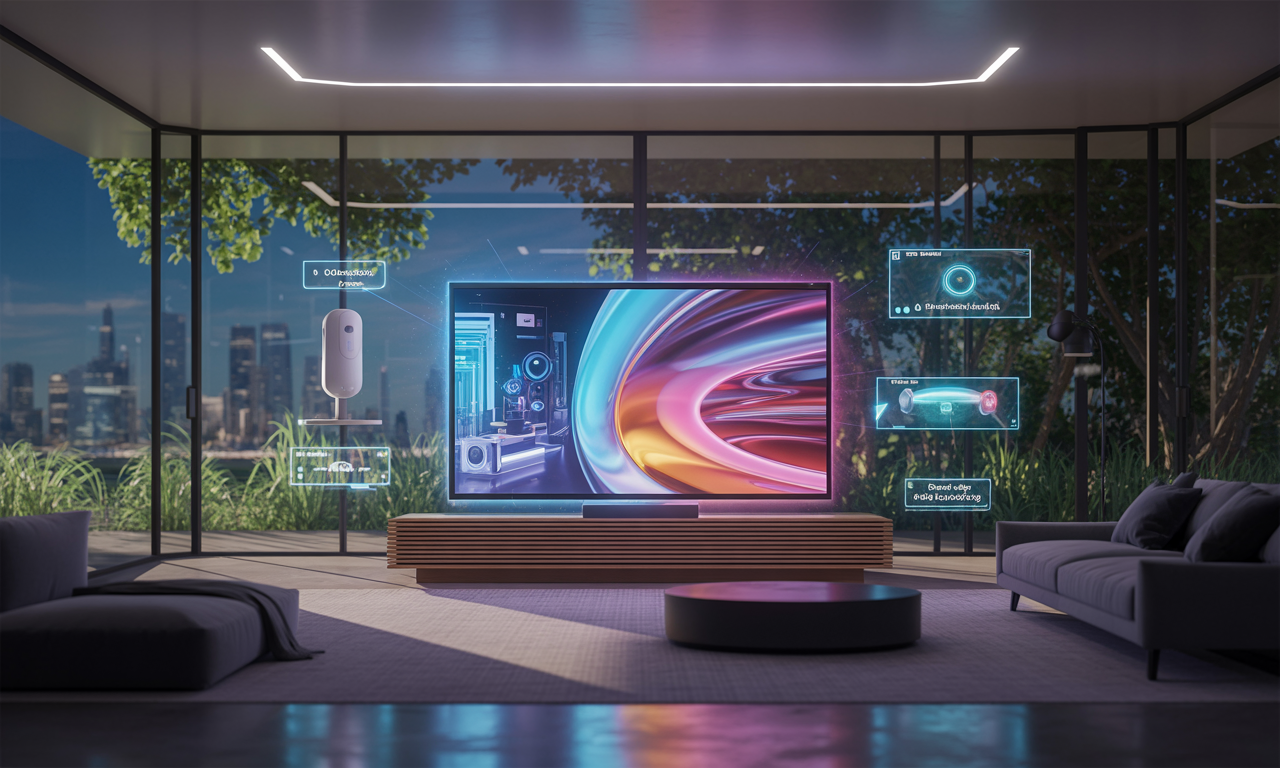
- Voice and Smart Home Integration: Voice assistants from Roku and LG enable effortless control of TVs and connected devices, turning televisions into central hubs of smart homes.
- Dialogue Clarity Enhancements: Emerging AI-driven audio technologies, such as DTS Clear Dialogue, heighten sound quality, making conversations crisper even amidst dynamic soundtracks.
The infusion of AI ensures TVs do more than display pictures, they adapt, anticipate, and respond to user needs in intuitive ways, enriching entertainment and simplifying everyday interactions.
Neural Processors Enhancing 8K-Like Quality From Existing Content
Despite limited availability of 8K programming, AI-driven upscaling breathes new life into existing HD and 4K videos. Hisense and Samsung’s latest models harness this technology, analyzing scenes and details sharply to reduce artifacts and render images with stunning depth and clarity. This marks a pivotal shift where content quality can be enhanced without waiting for the full ecosystem of 8K media, making the viewing experience more compelling today.
Immersive Audio and Gaming: Elevating Home Entertainment
Visual upgrades are complemented by strides in audio and gaming features designed for immersion and responsiveness. Sony, Philips, and Vizio are champions of integrating audio technologies such as Dolby Atmos, which create three-dimensional soundscapes that envelop viewers, while HDMI 2.1 and Variable Refresh Rate (VRR) set new gaming performance standards.
- Dolby Atmos and Next-Gen Sound Systems: Create spatial audio that mimics real-life acoustics, making TV watching feel like being inside the story.
- Gaming Enhancements: HDMI 2.1 supports higher frame rates and resolutions, VRR reduces screen tearing, and cloud gaming services from Roku and Philips facilitate instant play without consoles.
- Seamless Connectivity: Wi-Fi 7 and Bluetooth LE Audio improve data transfer speed and low-latency connections for various peripherals and sound systems.
These features collectively push the boundaries of what a home TV system can deliver, transforming passive viewing into an active and fully immersive experience.
Cloud Gaming’s Rise on Smart TVs
With cloud gaming services proliferating, TVs from TCL and Vizio are increasingly designed to run games streamed via the internet with minimal latency, bypassing the need for dedicated consoles. This convergence of gaming and TV technology enhances convenience and accessibility, broadening the entertainment palette available at a click.
Innovative TV Form Factors That Blend Seamlessly into Modern Homes
The aesthetic integration of televisions into living spaces is gaining momentum. Samsung’s lifestyle models like The Frame and Serif have inspired competitors such as LG and Hisense to explore transparent and rollable designs that transcend traditional rectangular screens.
- Rollable and Flexible Displays: TVs that unfurl when in use and retract to save space, pioneered by LG’s Transparent OLED series, are becoming more commercially available.
- Transparent Screens: Offer see-through displays for creative uses, whether displaying art or shows without dominating room aesthetics.
- Modular Panels: Enable customized screen sizes and shapes, allowing homes to assemble wall-sized displays tailored to their environment.
- Laser TVs and Ultra-Short Throw Projectors: Deliver cinematic-scale images from compact devices placed close to the wall, enhancing home theater potential without bulky setups.
These trends reveal a future where TVs do not simply occupy space but become part of the décor, responding to lifestyle preferences without sacrificing functionality.
Growing Popularity of Lifestyle TVs in 2025
The surge in ‘lifestyle’ TV models reflects a desire for devices that harmonize with interior design. Hisense’s Canvas series and TCL’s NXTFrame offer art-inspired aesthetic solutions that merge technology and style, appealing to consumers seeking more than just screen performance. This is anticipated to become mainstream as more brands join the movement.
The Content Shift: Interactive, 8K, and Extended Reality Experiences on the Horizon
While 8K content remains limited, the trend toward higher resolution and interactive viewing is clear. Samsung, Panasonic, and Sony continue to advocate for 8K readiness, while integrating interactive features that invite viewers to participate and personalize their entertainment experience.
- 8K Content Challenges: Adoption is hampered by scarce programming and hefty bandwidth demands.
- Interactive TV: Allows viewers to engage with content in real time, customize narratives, and explore additional layers of information.
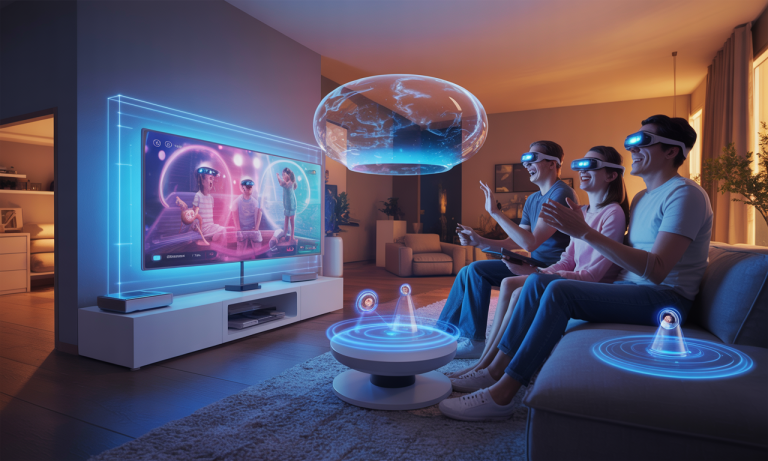
- Volumetric Video and XR Integration: Emerging technologies bring immersive, three-dimensional experiences that blend virtual and physical viewing environments.
The future of content consumption is moving towards interactivity and immersion, poised to change how stories and information are delivered to audiences worldwide.
Balancing Resolution and Accessibility
Despite the allure of 8K’s ultra-high definition, Samsung and Philips recognize that wider adoption relies on balancing visual gains with network infrastructure and consumer accessibility. Consequently, investment in AI upscaling and adaptive streaming techniques holds the key to bridging this gap.
Sustainability and Broader Adoption: Greener TVs for a Responsible Future
Environmental responsibility is finally taking center stage in the TV industry. LG, Samsung, and Hisense are pioneering energy-efficient panels, emphasizing recyclable materials, and reducing packaging waste, aligning with consumer demand for eco-friendly electronics.
- Energy Efficient Designs: OLED and MicroLED panels exhibit lower power consumption compared to traditional LCDs.
- Recyclable and Sustainable Materials: Components and packaging increasingly meet eco-conscious standards.
- Extended Product Lifespan: Durability improvements reduce electronic waste by lengthening TV lifecycle.
- Energy Star Certification: Enables consumers to identify greener TV models at point of purchase.
These advances demonstrate a commitment to making televisions not only cutting-edge but also responsible choices for the planet.
Estimating Availability and Adoption Trends for New TV Technologies
While premium technologies like MicroLED and rollable OLEDs remain costly, market experts anticipate significant price reductions within the next 5 to 7 years. Samsung, Sony, and LG are leading early launches, but mainstream adoption hinges on improved production efficiency and expanded 8K content. Meanwhile, AI features and high-dynamic-range panels become standard across mid-range TVs from TCL, Hisense, and Philips, making smarter viewing accessible for a growing audience.
Navigating this landscape requires consumers to weigh innovation desires against practical considerations, selecting options that blend current capabilities with future readiness.