




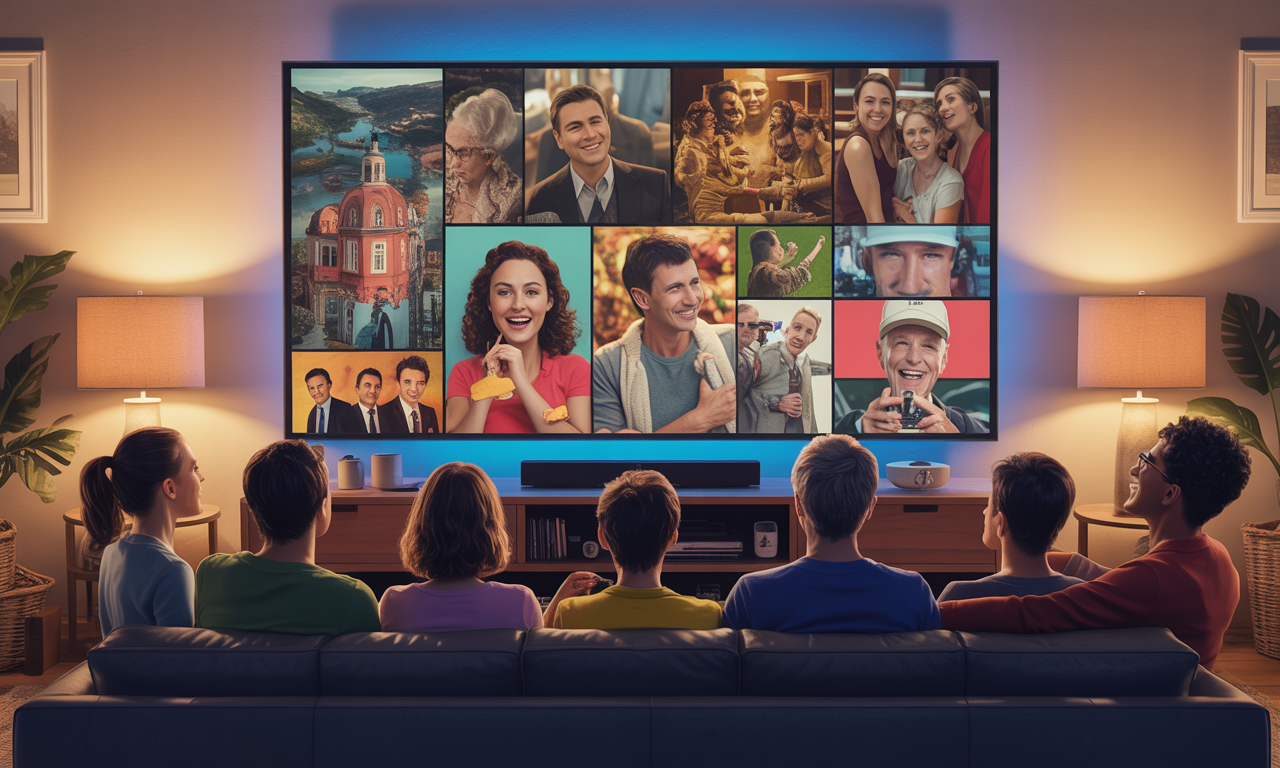
In recent years, American television has witnessed a remarkable transformation fueled by the influx of international content. Streaming giants like Netflix, Hulu, Amazon Prime, and Disney+ have opened doors to a diverse array of global narratives, reshaping audience expectations and industry standards. This wave of international programming has not only diversified the entertainment diet of American viewers but also initiated shifts in production approaches, storytelling techniques, and cultural representation on U.S. screens. From thrilling narratives of South Korean dramas to the stylish intrigue of European series, the cross-border exchange enriches creativity within American television, challenging both creators and viewers to expand their horizons. This dynamic evolution reflects a broader cultural dialogue that redefines what American TV represents in an increasingly interconnected world.
How International Content is Reshaping American Television Narratives and Production
The arrival of international television shows on American platforms has had a profound influence on storytelling styles and production values within the U.S. market. Shows originating from diverse cultural backgrounds introduce fresh narrative structures, character complexities, and genre blends that drive innovation in American programming.
- A Shift Towards Nuanced Storytelling: Inspired by international dramas that often emphasize subtle emotional depth and complex character arcs, American creators have begun experimenting with more layered narratives.
- Genre Hybridization: Incorporating elements from foreign genres, such as the intense suspense of Nordic noir or the vibrant family dynamics in Latin American telenovelas, has expanded the palette of American television.
- Collaborative Productions: Partnerships between American networks like HBO, FX Networks, and BBC America with foreign production companies foster hybrid projects that combine localized authenticity with global appeal.
- Diverse Casting and Representation: Exposure to international multicultural stories propels American shows to embrace broader, more inclusive representations of culture, ethnicity, and identity.
These influences collectively enhance American television’s ability to captivate audiences with richer, more globally conscious content, marking a pivotal evolution in how stories are conceived and delivered.
The Role of Streaming Platforms in Amplifying Global Voices on American Screens
Streaming services have revolutionized content accessibility, allowing international shows to bypass traditional broadcasting limits and reach American viewers with unprecedented ease.
- Localized Accessibility: Platforms like Netflix and Amazon Prime invest heavily in subtitles and dubbing, tailoring foreign content for American audiences while preserving original cultural nuances.
- Algorithm-Driven Recommendations: Smart curation by services encourages exploration of international titles alongside domestic favorites, promoting cultural discovery.
- Original International Programming: Streaming platforms commission and distribute shows from various countries, directly introducing new voices and perspectives to American viewers.
This democratization of access reshapes viewing habits and encourages audiences to embrace narratives from around the world, broadening cultural horizons and enhancing storytelling diversity within the American television landscape.
Impact on Audience Engagement and Cultural Perspectives in the United States
International shows influence American viewers not only in entertainment choices but also in cultural understanding, attitude shifts, and consumption patterns.
- Encouraging Cross-Cultural Empathy: Series like “Squid Game” and “Money Heist” provide windows into different societal norms and struggles, fostering empathy through shared human experiences.
- Demand for Authentic Representation: American audiences increasingly expect nuanced portrayals prompted by exposure to varied storytelling approaches seen in global content.
- Impact on Viewing Preferences: The popularity of non-English language series accelerates the normalization of subtitles and encourages audiences to become comfortable with cultural differences.
- Broadening of American Entertainment Standards: As a result, U.S. shows often incorporate international storytelling elements, enhancing cultural depth and complexity.
This cultural exchange, driven by international television, enriches the American entertainment experience and challenges conventional notions of mainstream media content.
Challenges and Resistances: Navigating Global Content in American Television
While international programming provides fresh perspectives, it also faces challenges in assimilation and acceptance within American television.
- Language Barriers: Despite increased subtitling, some viewers remain hesitant to embrace subtitled or dubbed content, limiting reach.
- Cultural Misinterpretations: Certain cultural nuances or storytelling styles may not resonate with all American audiences, leading to mixed receptions.
- Resistance to Changing Norms: Traditional viewers sometimes resist shifts away from established American-centric narratives and familiar genres.
- Industry Challenges: Production and distribution complexities arise when blending international content with American audience expectations and regulatory frameworks.
These obstacles underscore the ongoing negotiation process that balances global inclusion with localized appeal within the evolving American television landscape.
Future Directions: The Lasting Influence of International Content on American TV
The trajectory suggests that international content will continue to shape American television more profoundly, reflected in emerging trends and strategic industry shifts.
- Growing Co-Productions: Joint ventures between American entities like NBCUniversal and Sony Pictures with international creators will increase, fostering hybrid cultural narratives.
- Enhanced Diversity in Writers’ Rooms: Integration of global talent enriches storytelling and introduces authentic multilingual and multicultural elements.
- Expansion of Streaming Services: Platforms such as Apple TV+ and Disney+ will broaden their international catalogues and original foreign content offerings.
- Cultural Dialogues Through Content: Television will increasingly function as a forum for global conversations about identity, values, and societal issues, reflecting an interconnected world.
The steady blend of these dynamics forecasts a future where American television not only showcases international stories but also actively participates in shaping a more diverse and globally aware entertainment culture.