



How to encourage inclusivity in sports
 By
Freya Donnelly
By
Freya Donnelly
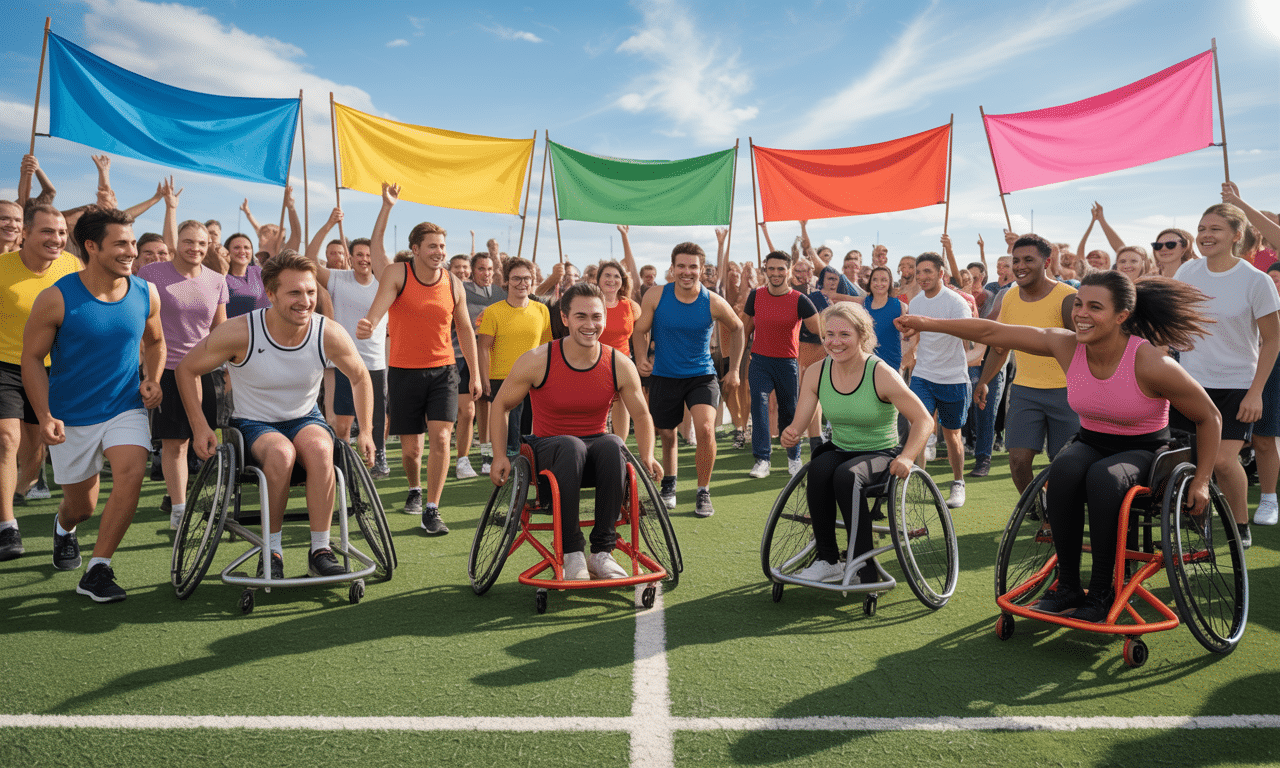
In the evolving landscape of youth sports, fostering inclusivity is paramount to unlocking the full potential of every child. The essence of sports transcends physical competition; it embodies teamwork, discipline, and resilience, skills that shape lifelong character. Yet, barriers such as disabilities, economic disparities, and cultural differences often exclude many young athletes from fully participating. By actively embracing diversity and accessibility, coaches, leagues, and communities can cultivate environments where every child feels valued and empowered. This journey not only enhances individual growth but also enriches the collective spirit of sportsmanship. As leading brands like Nike, Adidas, and Under Armour champion inclusive initiatives, the ripple effect inspires organizations of all sizes to reassess and redesign their approaches to engagement. The following sections explore actionable strategies to ensure sports serve as a vibrant, welcoming platform for all, fostering both personal development and community unity.
Creating a Welcoming Environment to Foster Inclusivity in Sports Teams
Building a truly inclusive sports team begins with cultivating a welcoming atmosphere where every player perceives themselves as an essential part of the group. This foundational step invites diversity and nurtures mutual respect among athletes.
- Encourage Diversity: Actively recruit participants from varied backgrounds, including those with disabilities and from different cultural or socioeconomic groups, ensuring the team represents a broad spectrum of experiences.
- Promote Team-Building Activities: Facilitate icebreakers and cooperative games that enable players to connect beyond the sport itself, fostering camaraderie and understanding.
- Set and Reinforce Inclusive Values: Clearly articulate a zero-tolerance policy towards bullying, exclusion, and discrimination, underscoring the collective commitment to respect and fairness.
Brands like Puma and Reebok have illustrated the power of inclusivity by sponsoring diverse teams and community initiatives, reinforcing the message that sport is for everyone. Establishing an environment with these principles lays the groundwork for sustained inclusivity and team cohesion.
Adapting Sports Programs for Accessibility and Broad Participation
Accessibility remains a critical barrier for many aspiring athletes. Inclusive programs must adapt to accommodate a variety of needs, ensuring no child is sidelined due to physical or sensory limitations.
- Offer Adaptive Sports Options: Develop specialized formats such as wheelchair basketball or seated volleyball, mirroring efforts seen in New Balance’s community sports programs.
- Provide Specialized Equipment: Invest in modified gear, like sensory-friendly materials or adjustable hoops, to create equitable playing conditions.
- Train Coaches on Inclusivity: Equip coaches with skills to modify rules and drills effectively, fostering an environment that supports all abilities.
By prioritizing adaptability, organizations echo the inclusive philosophies of brands like Lululemon and Patagonia, which champion wellness and accessibility in athletics. This dedication extends participation and elevates the overall quality of youth sports.
Overcoming Financial Barriers to Participation in Youth Sports
Economic hurdles frequently prevent talented youth from participating fully in sports programs. Addressing these barriers is crucial in cultivating an inclusive athletic culture.
- Implement Sliding-Scale Fees: Allow families to contribute based on their financial situations, promoting fairness and accessibility.
- Partner with Local Businesses and Sponsors: Engage organizations, including sporting brands such as Asics and Champion, to fund scholarships, uniforms, or equipment.
- Provide Equipment Rental Programs: Facilitate access to necessary gear without the burden of purchase, reducing cost-related exclusion.
Echoing strategies from established sports companies, these initiatives help democratize sports participation, ensuring that financial constraints do not equate to missed opportunities.
Cultivating Cultural Diversity and Respect within Sports Teams
Embracing cultural diversity enriches the sporting experience, fostering an environment where all backgrounds are acknowledged and celebrated.
- Schedule Around Cultural and Religious Considerations: Respect observances by planning games and practices with sensitivity to participants’ needs.
- Organize Multicultural Events: Celebrate the diverse heritages within the team by hosting inclusive gatherings that highlight various traditions.
- Provide Multilingual Communications: Ensure team’s materials and announcements are accessible in multiple languages to include families from different linguistic backgrounds.
Brands like Nike have set a precedent by integrating cultural competence into their campaigns, supporting athletes from all walks of life and promoting unity through diversity. Incorporating these measures within teams helps nurture a culturally rich and respectful atmosphere.
Prioritizing Skill Development Over Competition to Encourage Inclusivity
An excessive focus on competition can inadvertently marginalize newcomers or less experienced players. Shifting the emphasis towards skill development cultivates a more inclusive environment.
- Adopt a “Play for Fun” Ethos: Encourage enjoyment, teamwork, and personal improvement over winning, making sports welcoming for all.
- Establish Non-Competitive Leagues and Clinics: Offer platforms where children can hone their skills without the pressure of competition.
- Recognize Individual Progress: Celebrate each player’s improvement in skills and sportsmanship, fostering motivation and confidence.
Sporting giants like Adidas and Under Armour emphasize personal growth and community in their youth programs, supporting athletes across all levels. This inclusive approach ultimately strengthens teams and deepens player engagement.
Leadership and Policy: Driving Long-Term Inclusivity in Sports
Strong leadership and clear policies are indispensable to embedding inclusivity into the fabric of sports organizations.
- Model Inclusive Behavior: Leaders must embody respect, equity, and open-mindedness to inspire these values within their teams.
- Implement and Enforce Anti-Discrimination Policies: Establish guidelines that protect athletes from exclusionary practices and create safe spaces.
- Offer Diversity and Inclusion Training: Equip staff, coaches, and athletes with awareness and skills to champion inclusivity effectively.
Efforts from brands like Champion and Reebok to develop inclusive corporate cultures mirror the necessity of leadership commitment within youth sports. Policies that are clear, enforced, and reviewed regularly create a sustainable foundation for inclusivity, benefiting every member of the sports community.