



The future of virtual reality in sports training
 By
Freya Donnelly
By
Freya Donnelly
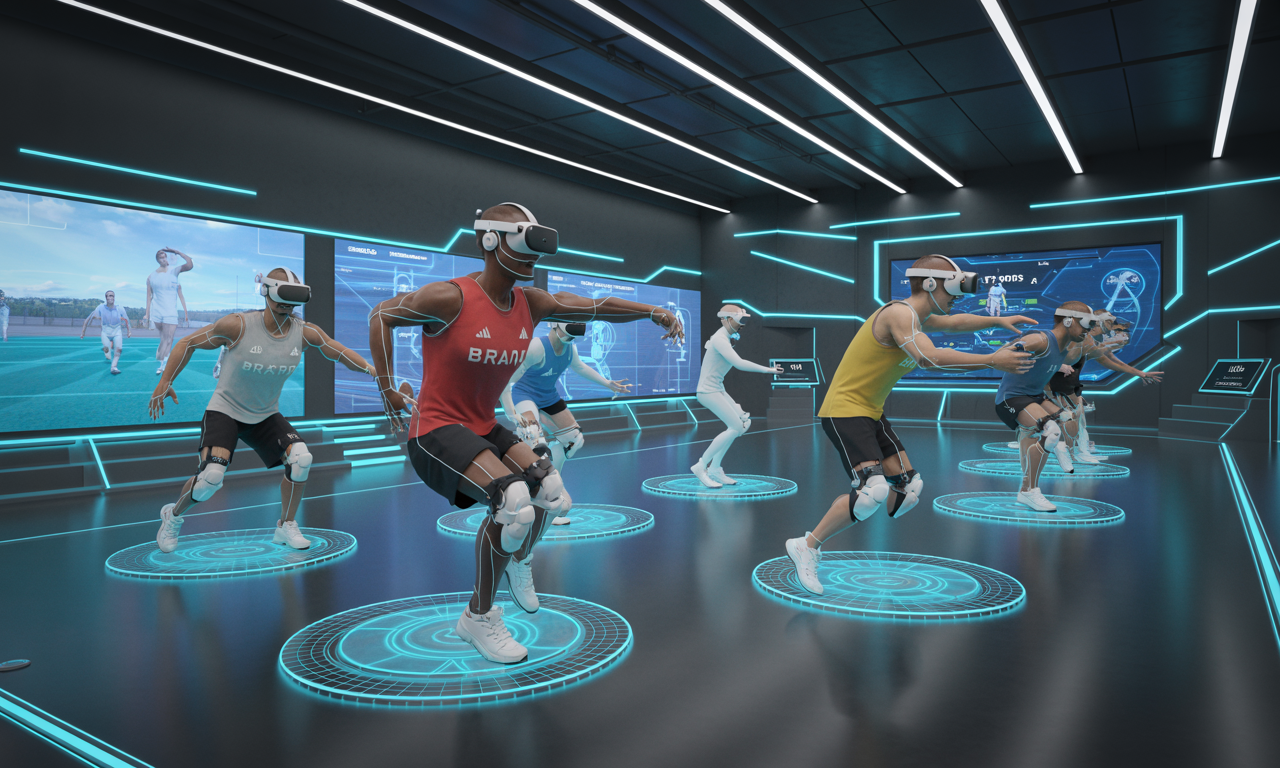
As technology rapidly evolves, virtual reality (VR) is carving an extraordinary path within the realm of sports training. Gone are the days when athletes solely relied on physical drills and traditional coaching; today’s immersive VR environments offer unprecedented opportunities for skill enhancement, strategic mastery, and mental resilience. From replicating high-stakes game scenarios with striking realism to customizing adaptive training regimens, platforms such as Oculus, HTC Vive, and Sony PlayStation VR are redefining how athletes prepare for competition. Meanwhile, software engines like Unity empower developers to craft intricate virtual experiences, while companies like Strivr and Immersive VR Education pioneer specialized solutions that blend cutting-edge tech with sports science. This fusion of innovation is not just transforming individual performance but revolutionizing team dynamics and injury rehabilitation. As we explore the multifaceted future of VR in sports training, it becomes clear that immersive technologies will soon be indispensable tools for athletes and coaches aiming to reach new heights in 2025 and beyond.
Immersive VR Simulation: Elevating Sports Training with Oculus and HTC Vive
The cornerstone of virtual reality in sports training lies in its ability to immerse athletes within dynamic, realistic environments that closely mimic game-day pressures. Powerful headsets like Oculus and HTC Vive allow players to navigate intricate scenarios, whether it’s a quarterback reading defensive formations or a soccer striker anticipating goalkeeper movements, without the physical risks associated with live practice. This approach not only enhances tactical comprehension but also fosters quicker decision-making and sharper reflexes.
Key features driving VR’s impact include:
- High-definition visual fidelity that replicates actual gameplay conditions.
- Real-time feedback and analytics enabling athletes and coaches to track progress meticulously.
- Safe repetition of complex plays or techniques, reducing injury risks during practice.
- Adaptive difficulty levels tailored to individual skill and development stages.
For instance, platforms powered by Strivr have gained traction among professional football teams, providing immersive playbooks and situational drills that accelerate learning curves while minimizing wear and tear caused by physical repetition. Such VR applications bridge the gap between virtual training and tangible performance improvements, making them essential in elite sports arsenals.
Unity and Virtuix: Powering Customizable Virtual Training Ecosystems
Behind the scenes, versatile software frameworks like Unity fuel the creation of bespoke training modules tailored to diverse sports disciplines. This flexibility enables developers to simulate everything from the biomechanics of a golf swing to the spatial awareness required for basketball defense.
Virtuix, known for its omnidirectional treadmill technology, complements VR by allowing athletes to physically move within virtual arenas. This fusion cultivates not only cognitive skills but also fine-tunes motor coordination and balance.
- Customizable sessions: Coaches can design drills aligned with targeted performance goals.
- Physical engagement: Integration of locomotion devices like Virtuix enhances realism.
- Data capture: Precise motion tracking informs real-time adjustments and post-session analysis.
These features herald a new era where virtual training is not a mere video game but a sophisticated, interactive extension of an athlete’s regimen that promotes holistic development.
From Injury Rehabilitation to Performance Analytics: Leveraging Razer, VIVEPORT, and NextVR
Virtual reality’s role in sports extends far beyond skill acquisition. The integration of motion capture and immersive visualization tools supplied by companies such as Razer and content platforms like VIVEPORT enables more effective injury rehabilitation and performance analysis.
Several transformative applications include:
- Controlled rehab environments: Athletes engage in therapy exercises in customizable, low-impact virtual settings boosting confidence and recovery speed.
- Performance feedback: Detailed metrics on biomechanics and movement patterns help pinpoint areas for improvement.
- Remote training capabilities: Utilizing NextVR technology, athletes can participate in guided sessions and competitions virtually, regardless of location.
VR rehabilitation, supported by these technologies, offers a safe space where mental and physical recovery intertwine, reducing anxiety often associated with injury lay-offs. Moreover, live-streaming through NextVR introduces new layers of interactive coaching and fan engagement, illustrating the technology’s far-reaching impact on the sports ecosystem.
Enhanced Engagement and Adaptive Learning with Immersive VR Education
Training programs increasingly utilize the capabilities of Immersive VR Education to deliver interactive tutorials and scenario-based learning that adapt in real-time to athletes’ performance. This approach nurtures cognitive flexibility and strategic awareness, fundamental traits in competitive sports.
- Scenario-based drills: Replication of critical in-game moments promotes resilience.
- Interactive coaching: Immediate feedback mechanisms enhance retention and motivation.
- Virtual teamwork: Simulation of team dynamics fosters communication and coordination skills.
By engendering a rich sensory experience and continuous adaptation, immersive education platforms enable athletes to internalize game intelligence faster and with greater precision.
Challenges and the Road Ahead: Scaling VR Technologies for Widespread Sports Adoption
Despite marked advancements, the integration of VR in sports training faces hurdles such as equipment costs, hardware accessibility, and the need for tailored content across varied sports disciplines. Transitioning from early adopters to widespread acceptance requires addressing these challenges head-on.
Key areas demanding focus include:
- Reducing device costs: Making high-quality headsets like Sony PlayStation VR more affordable for grassroots programs.
- Developing sport-specific content: Leveraging versatile engines like Unity to craft authentic training modules for lesser-covered sports.
- Improving hardware comfort: Enhancing wearability during intense training sessions to prevent fatigue.
- Incorporating AI-driven personalization: Automating adaptive difficulty and feedback for individualized growth.
As these factors coalesce in the coming years, VR will transition from a novel innovation to a staple in daily athletic preparation, transforming amateur practices and professional leagues alike.
Embracing Mixed Reality for Future Training Paradigms
Looking forward, the emergence of Mixed Reality (MR) technologies promises to seamlessly blend virtual elements with the physical environment. This convergence could unlock training scenarios that integrate real-time data overlays on actual gameplay, providing adaptive cues and strategic insights during live practice.
MR’s potential implications include:
- Hybrid drills: Combining tangible equipment with virtual feedback enhances multisensory learning.
- Enhanced situational awareness: Augmented overlays assist athletes in decision-making.
- Dynamic strategy formulation: Coaches deliver instant tactical adjustments informed by real-time analytics.
This pioneering frontier encapsulates the ultimate union of technology and athleticism, heralding an era where training is as fluid and interactive as competition itself.