


Take Two CEO Claims “We’re Revolutionizing Value” by Pricing Borderlands 4 at $70 Instead of $80
 By
Josh Whitaker
By
Josh Whitaker
| IN A NUTSHELL |
|
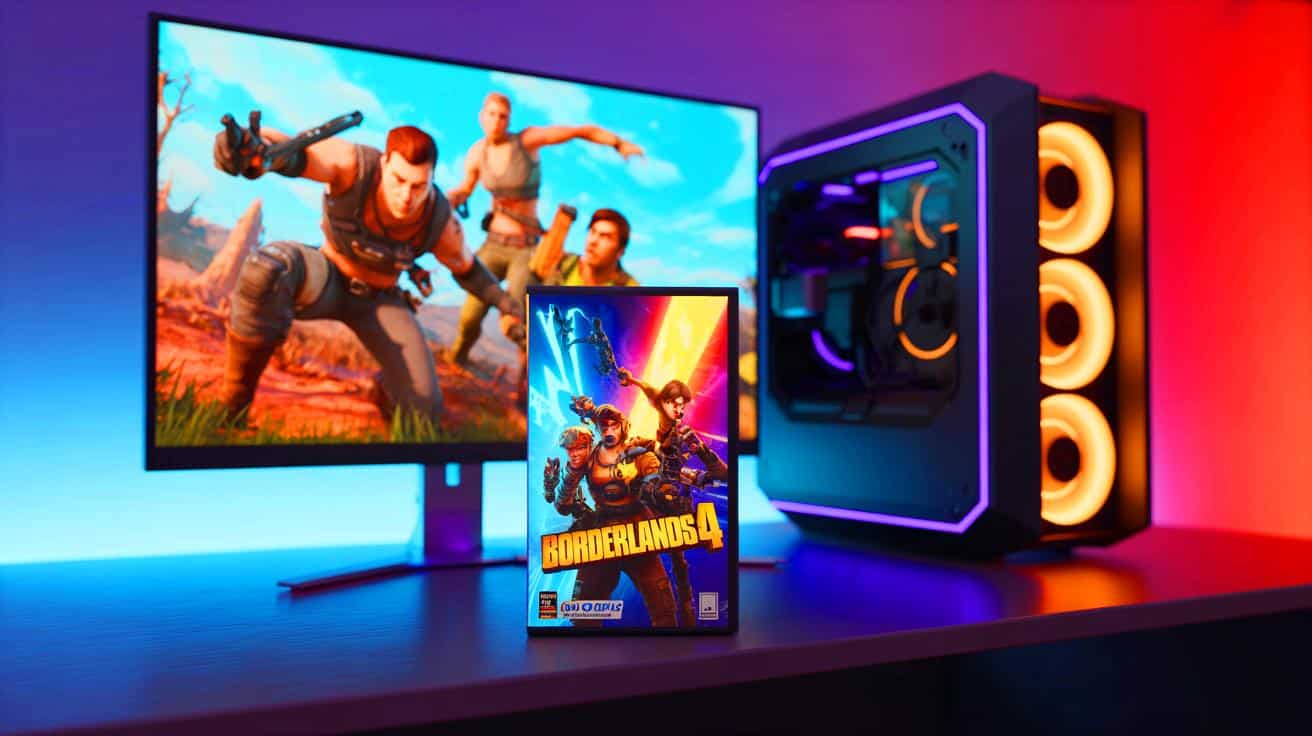
In a landscape where video game prices are rising, Take-Two Interactive’s decision to price Borderlands 4 at $70 has sparked significant discussion. While many AAA titles are pushing towards the $80 mark, Take-Two, led by CEO Strauss Zelnick, insists on providing value to consumers without breaking the bank. This move comes amid broader conversations about pricing strategies in the gaming industry and the evolving expectations of gamers worldwide. As debates continue, the decision sheds light on how companies balance profitability and consumer satisfaction.
Take-Two’s Pricing Strategy: A Deliberate Choice
Take-Two Interactive has made headlines with its decision to price Borderlands 4 at $70, a figure notably lower than the $80 price point some developers are adopting. CEO Strauss Zelnick emphasized the company’s commitment to delivering value. He articulated that the consumer experience is a blend of the product itself and its cost. “Our goal is to vastly exceed expectations,” Zelnick stated during a recent earnings call. This statement underscores the company’s focus on ensuring that the quality of their games justifies the price tag.
While the decision might appear as a straightforward attempt to keep costs down, it reflects a deeper strategy. Zelnick pointed out that pricing in the video game industry has always been variable. Over time, prices are adjusted to reach the broadest audience possible. This approach suggests a long-term view aimed at maximizing the game’s reach and profitability while keeping players engaged and satisfied.
The Industry’s Shift Towards Higher Pricing
The trend towards higher pricing for video games has been met with mixed reactions. Some consumers are willing to pay a premium for high-quality experiences, while others feel priced out. The shift to $80 games represents a significant increase from the $60 price point that dominated the industry for years. This change is partly due to rising development costs and the demand for more immersive, expansive game worlds.
However, not all companies are following this trend. Take-Two’s decision to price Borderlands 4 at $70 is a testament to their belief in offering value. This choice also aligns with the company’s long-standing practice of variable pricing, as noted by Zelnick.
“Most frontline releases will go out at a higher price, sometimes with special editions, and then over time, usually the price is discounted to optimize for the largest possible market,”
he explained. This strategy allows the company to cater to different segments of the market over time.
The Role of Public Perception and Backlash
Public perception plays a crucial role in pricing strategies. Gearbox boss Randy Pitchford’s comments about “real fans” being willing to pay any price for Borderlands 4 sparked controversy. Many questioned whether these remarks influenced the final price decision. However, Larian Studios’ Michael Douse dismissed this notion, suggesting that Pitchford’s comments did not sway the pricing strategy.
Despite the backlash, Take-Two’s focus remains on delivering value. The company’s decision to stick with a $70 price point, amidst competing narratives, highlights its commitment to customer satisfaction. It also demonstrates an understanding of the delicate balance between pricing and public perception. As the industry continues to evolve, how companies navigate consumer expectations will be vital to their success.
Future of Video Game Pricing
As the video game industry evolves, the future of pricing remains uncertain. Analysts predict that the traditional $60-$70 model may become obsolete by 2025. With increasing development costs and the demand for high-quality experiences, companies are exploring different pricing strategies, including subscription models and microtransactions.
Take-Two’s approach reflects a cautious optimism. By maintaining a $70 price point for Borderlands 4, the company is positioning itself to adapt to these changes while satisfying current market demands. The gaming industry is often likened to the “Wild West,” with companies experimenting with various pricing models to find what resonates with consumers. In this dynamic environment, understanding consumer behavior and expectations will be critical.
As Take-Two navigates this complex landscape, the industry watches closely. Will other companies follow suit, or will they forge new paths in pricing strategies? The answer will shape the future of gaming and determine how developers connect with their audiences. What do you think the future holds for video game pricing, and how will it impact consumer access to new titles?