

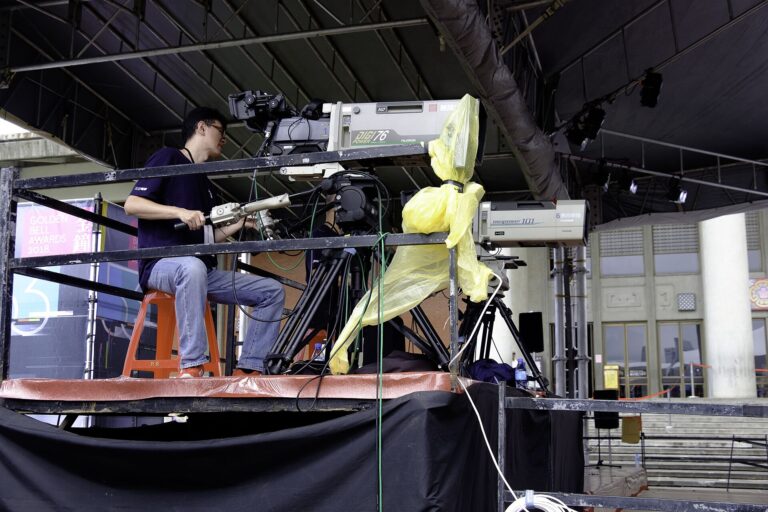

The evolution of series: from broadcast to streaming
 By
Freya Donnelly
By
Freya Donnelly

Television’s journey from the era of broadcast networks to the dynamic world of streaming platforms marks a profound shift in how we experience series today. Once tethered to rigid schedules and limited channel options, viewers are now empowered with unparalleled choice and flexibility. As we navigate 2025, series consumption reflects both technological advancements and evolving audience desires, blending culture, storytelling, and convenience into a personalized viewing adventure. This transformation underscores how platforms like Netflix, Hulu, Amazon Prime Video, and Disney+ have reshaped the entertainment landscape, positioning streaming as the dominant force in modern television.
From Scheduled Broadcast to Cable TV: Setting the Stage for Change
The inception of television was defined by broadcast networks such as NBC, CBS, and ABC, where viewers gathered to watch scheduled programming. This method fostered a shared cultural experience, with millions tuning in simultaneously for live events and popular sitcoms that dominated the airwaves.
- Appointment viewing created anticipation but required audiences to align their daily routines with broadcast times.
- Limited channels meant fewer choices but also a unified national conversation centered around key shows.
- Major networks controlled most content, shaping widespread taste and trends.
The late 20th century saw cable TV broaden the horizon, ushering in hundreds of channels catering to niche interests including sports, music, movies, and news. Signature networks like MTV, HBO, and CNN emerged, pioneering specialized content and elevating series such as The Sopranos and Sex and the City.
- Premium cable channels like HBO and Showtime introduced high-quality, original programming, setting new storytelling standards.
- Their success planted seeds for complex narratives and strong character development, pushing TV into the realm of serious art.
- Audience fragmentation began as viewers gravitated toward specialized content, diversifying the television ecosystem.
This era’s structured schedules and limited accessibility began to show cracks, laying groundwork for the digital renaissance to come.
Streaming Services Revolution: Redefining Access and Content
The rapid rise of the internet and digital technology ignited a new epoch characterized by on-demand access and limitless content variety. Services such as Netflix, Hulu, Amazon Prime Video, Disney+, HBO Max, Apple TV+, YouTube, Peacock, Paramount+, and Tubi transformed viewing habits forever.
- On-demand streaming freed audiences from rigid broadcast schedules, allowing viewers to watch whenever and wherever.
- Binge-watching became a cultural phenomenon, encouraging longer, serialized storytelling to maintain engagement.
- The diversity of content expanded dramatically, featuring niche genres and global storytelling previously underrepresented.
- Live sports streaming platforms, such as ESPN+, revolutionized real-time viewing experiences, making global events accessible instantly.
Critically acclaimed originals like Stranger Things and The Handmaid’s Tale demonstrate how streaming platforms empower creators with creative freedom and fewer restrictions. Meanwhile, independent studios and smaller creators have found global audiences without traditional gatekeepers.
The Shifting Industry Landscape and Creative Freedom
Streaming’s influence extends deeply into industry practices. Cable giants have launched their own services to maintain relevance, deepening competition and accelerating investment in original series.
- Longer story arcs and high production values rival blockbuster films.
- Data-driven algorithms personalize recommendations, tailoring content to individual tastes.
- The freedom to experiment with formats, pacing, and genres drives innovation in storytelling.
This evolution fosters a richer, more immersive viewer experience and encourages diverse narratives that better reflect global audiences.
Transforming Viewing Habits: The Impact of Binge-Watching and Personalization
The binge-watching trend reshapes not only how series are consumed, but also how they are structured. Viewers often prefer entire seasons at once, prompting creators to design suspenseful, continuous narratives without filler content.
- Elimination of commercials enhances uninterrupted immersion.
- Instant release of entire seasons supports dynamic engagement and social media conversations among fans.
- However, this intensity invites reflection on mental health, advocating for mindful consumption practices.
The personalized nature of streaming platforms means content discovery is increasingly seamless, opening doors to unique viewpoints and connoisseurship tailored for every audience segment.
Emerging Technologies and the Future of Series Consumption
Looking forward, technologies like 5G, artificial intelligence, and virtual reality promise even more immersive and interactive viewing. These innovations will integrate streaming more deeply into everyday life, merging entertainment with smart environments.
- 5G networks enable smoother streaming of high-quality content anywhere.
- AI-powered personalization refines recommendations to an unprecedented degree.
- Virtual reality may transform series into engaging, participatory experiences.
- The convergence of content and social features will redefine community and interaction around series.
The competition among streaming giants and traditional broadcasters fuels a hybrid model where innovation, flexibility, and audience-centric design continue to accelerate.
The New Storytelling Frontier
As series evolve alongside technology, creators blend narrative depth with technological possibilities, forging new ways to captivate and engage global audiences. This ongoing transformation highlights television’s role as a cultural cornerstone adapting to the needs and passions of each generation.