



How climate change is affecting outdoor sports activities
 By
Freya Donnelly
By
Freya Donnelly
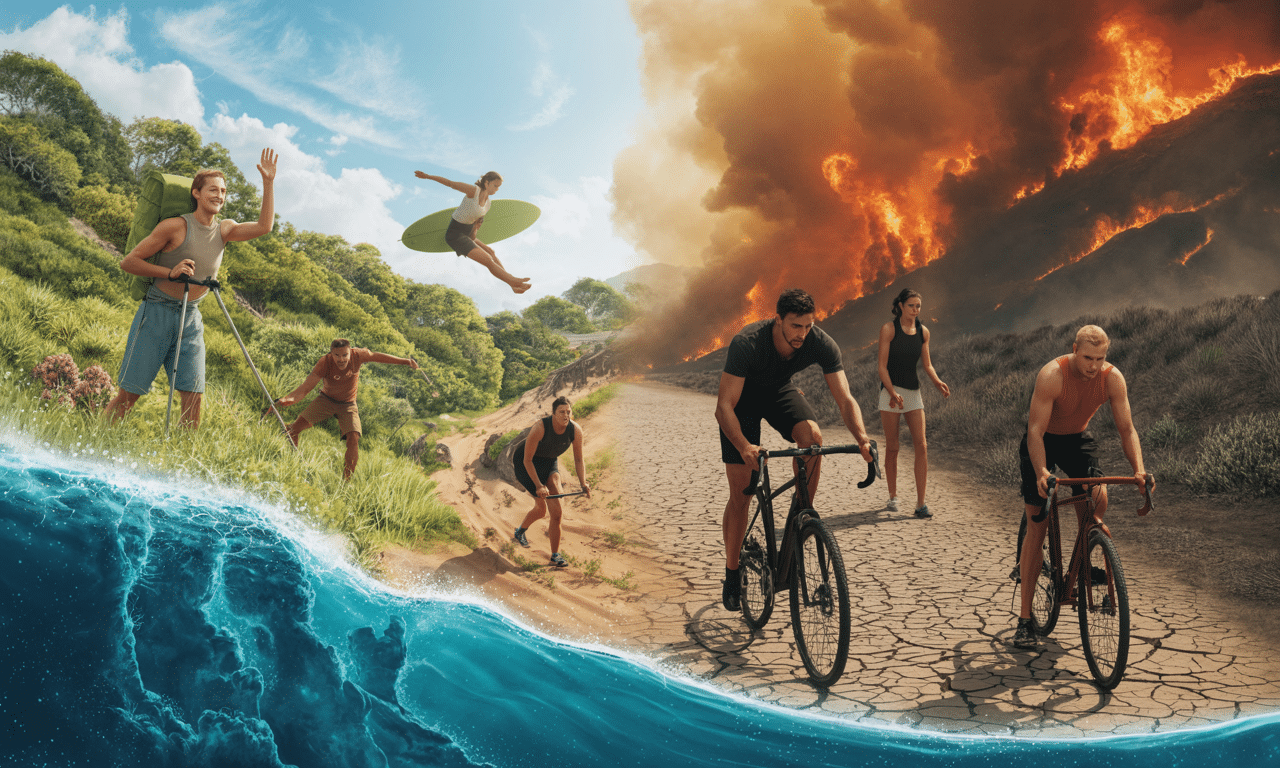
As the planet warms, outdoor sports, once considered untouched sanctuaries of endurance and nature, are now grappling with a transformed environment. Across the globe, shifts in temperature, precipitation, and seasonal rhythms are altering how athletes and enthusiasts engage with their favorite activities. Whether it’s the dwindling snowy slopes that challenge winter sport aficionados or the intensifying summer heat that pushes runners to their limits, the ripple effects of climate change stretch far beyond weather forecasts. Major outdoor apparel brands such as Patagonia, The North Face, REI, and Columbia Sportswear find themselves at the crossroads of tradition and innovation, striving to equip participants while advocating for sustainability. In this delicate balance, the outdoor sports community is not only adapting but also becoming a beacon for environmental stewardship, reshaping both practices and policies to safeguard the future of outdoor recreation.
How rising temperatures are reshaping winter and summer outdoor sports
The surge in global temperatures stands as a defining challenge for outdoor sports, particularly those heavily reliant on specific climatic conditions.
Winter sports facing shorter seasons and dwindling snow
Skiing, snowboarding, and ice skating, traditional highlights of winter recreation, are under siege as natural snowfall becomes increasingly erratic. Alpine resorts in the Rockies and the Alps report shorter seasons with early closures due to insufficient snow, directly impacting the region’s robust tourism economies. Although the integration of artificial snowmaking, championed by brands like Salomon and Arc’teryx, offers temporary relief, the resource-intensive nature of this technology raises sustainability concerns.
- Ski resorts closing early or cancelling seasons due to unreliable snowfall.
- Artificial snowmaking’s high energy costs challenge long-term viability.
- Reduced snow cover harms winter tourism economies across key regions.
These changes demand novel approaches from the outdoor industry and athletes alike, forcing a reimagining of winter sports beyond snow.
Summer sports encountering heatwaves and drought-induced limitations
Summer sports are contending with their own climate-induced obstacles. Intensified heatwaves mean greater risks of heat exhaustion, compelling organizers and athletes to adjust training schedules and competition times. Regions experiencing chronic drought face additional hurdles as well-maintained fields for soccer, rugby, and golf become parched and unsafe.
- Increased incidence of heat-related illnesses during summer outdoor activities.
- Drought leading to unplayable, degraded sports fields and event cancellations.
- Modifications in event timing such as night marathons to avoid peak heat.
Brands like Columbia Sportswear, Marmot, and Outdoor Research are innovating with breathable, heat-adaptive fabrics to support athletes’ performance and safety under these extreme conditions.
Extreme weather events disrupting outdoor sports infrastructure and coastal activities
Beyond gradual warming, the frequency and severity of extreme weather events compound challenges for outdoor sports venues and coastal enthusiasts.
Flooding and facility damage threaten sports venues
Heavy rains and subsequent flooding often inundate fields, courts, and tracks, as seen in numerous affected regions worldwide. Repair costs stretch local budgets and delay sports programs, impacting community wellbeing.
- Low-lying sports facilities vulnerable to flood damage experience prolonged closures.
- Financial strain on maintenance and reconstruction efforts burden local organizations.
- Disrupted seasons and competition schedules challenge athletes’ momentum.
Companies like Black Diamond and Mountain Hardwear are responding by developing more resilient gear and supporting grassroots efforts to rebuild affected areas.
Coastal sports disrupted by hurricanes and rising seas
Surfing, sailing, and beach volleyball communities face escalating risks as hurricanes grow stronger and sea levels rise. Storm surges erode shorelines and destroy vital infrastructure like piers and marinas, fundamentally altering coastal landscapes.
- Diminishing surf spots and unpredictable wave conditions complicate training and competition.
- Beach erosion reduces viable areas for sand-based sports like volleyball.
- Damage to economic hubs reliant on coastal tourism affects the wider community.
Brands such as The North Face and Patagonia are actively engaged in environmental campaigns to combat these threats and raise awareness among outdoor enthusiasts.
Shifts in seasonal patterns and ecosystems impacting outdoor sport experiences
Subtle yet significant, the shifting timing of seasons and resulting ecological changes redefine traditional sporting calendars and natural settings.
Altering migration patterns and seasonal cues
Outdoor activities tied to wildlife, such as bird watching or hunting, are witnessing changing migratory timings, which may lead to the loss of cherished seasonal events. Early blooming plants and erratic animal behaviors disrupt planning and participation.
- Earlier springs and delayed autumns disturb established sport schedules.
- Migration pattern shifts impact timed activities like hunting and wildlife photography.
- Change in biodiversity reduces natural appeal and participation in eco-tourism.
Outdoor gear pioneers like REI and Arc’teryx are encouraging adaptive approaches and sustainable tourism to help athletes and enthusiasts navigate these uncertainties.
Transforming landscapes challenge traditional outdoor environments
Vital ecosystems such as alpine meadows and forests are retreating under climate stress, diminishing the backdrop for hiking, climbing, and nature-based sports.
- Decline in key ecosystems reduces attractions for hikers and climbers.
- Loss of biodiversity impacts outdoor educational activities.
- Adjustments required to maintain safety and enjoyment in changing terrains.
Mountain Hardwear and Outdoor Research invest in research and gear development tailored for evolving environmental conditions, ensuring enthusiasts remain connected to nature.
Economic and social consequences shape the future of outdoor sports
The ramifications of climate change extend beyond the natural environment, deeply affecting economic stability and social access within the outdoor sports domain.
Financial challenges wrought by disrupted sports tourism
As climate volatility undermines destination reliability, local economies witness shrinking revenues:
- Reduced visitor numbers at ski resorts and beach destinations diminish local income.
- Job insecurity for guides, hospitality workers, and event organizers reliant on outdoor sports.
- An evolving industry landscape pushing toward diversification or indoor alternatives.
Leading brands such as Patagonia and Salomon are collaborating with communities to build resilience and promote sustainable tourism models.
Access disparities amplify under environmental stress
Climate change risks widening the gap in who can safely enjoy outdoor sports:
- Underserved populations face shrinking safe recreation spaces due to heat and extreme events.
- Economic barriers limit relocation or access to indoor facilities.
- Social inequalities deepen as wealthier groups adapt more effectively.
This ongoing challenge underscores the importance of inclusive design and equitable resource distribution advocated by organizations like REI and Columbia Sportswear.
Innovations and strategies propelling the outdoor sports industry toward climate resilience
Confronted with undeniable transformations, the outdoor sports sector is pioneering sustainability and adaptive solutions.
Embracing sustainable manufacturing and practices
Prominent companies are reducing environmental footprints through:
- Green building initiatives and renewable energy adoption across facilities.
- Eco-friendly materials in gear production to minimize waste and emissions.
- Promotion of low-impact transportation like cycling events supported by Marmot and Outdoor Research.
Advocacy and policy engagement to safeguard outdoor futures
Athletes and organizations leverage their platforms to foster systemic change through:
- Lobbying for carbon reduction and conservation policies.
- Raising awareness about environmental stewardship within the outdoor community.
- Collaborations between brands and environmental activists to champion sustainable recreation.
Developing climate-resilient infrastructure tailored for outdoor pursuits
To withstand climate challenges, innovation in infrastructure is essential:
- Flood-resistant designs and versatile multi-use spaces for varying weather conditions.
- Integration of natural solutions such as green roofs and rainwater harvesting.
- Enhanced durability in trails and sports fields to reduce maintenance burdens.
These adaptive measures enable communities to continue vibrant engagement with outdoor sports despite climatic uncertainties.