


Debunking common astrology myths: What you need to know
 By
Freya Donnelly
By
Freya Donnelly
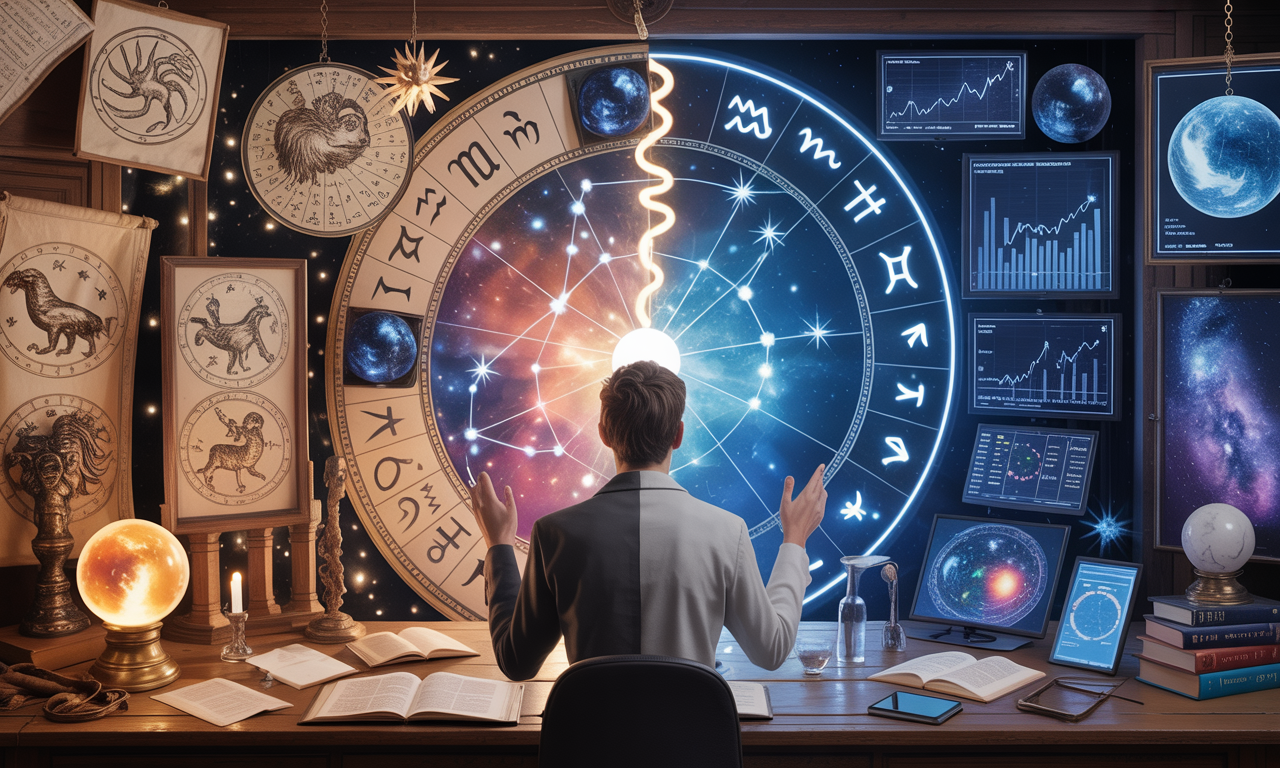
Astrology has fascinated humanity for centuries, weaving a rich tapestry of celestial symbols and insights that connect the movements of planets and stars to life on Earth. Despite its enduring popularity, astrology often encounters skepticism and a host of misconceptions that obscure its true value and depth. From misunderstandings about its predictive power to confusion about the validity of horoscopes, many common myths persist. Today, we peel back the layers of misinformation to reveal the authentic essence of astrology, a nuanced, historically rich system embraced worldwide for personal growth, guidance, and self-reflection. Drawing on insights from trusted sources like AstroTwins, Cafe Astrology, and The Astrology Podcast, this exposé will illuminate the truths behind astrology’s most pervasive myths, offering clarity to both newcomers and longtime enthusiasts alike.
Why Astrology Doesn’t Predict the Future, But Illuminates Patterns
One of the most widespread misconceptions is that astrology acts as a crystal ball, capable of foretelling specific future events. However, astrology operates differently. Instead of conjuring exact predictions, it reveals patterns and influences that help us understand our behavior, emotions, and potential challenges.
- Astrology as Guidance: Just as a map presents possible routes but leaves the choice to the traveler, astrology outlines tendencies and cycles without dictating fixed outcomes.
- Planetary Influence Example: Knowing that Mercury is in retrograde may encourage someone to double-check communications, reflecting astrology’s advisory role rather than fatalism.
- Understanding Patterns: Observing zodiac-based behavioral patterns can foster increased self-awareness and preparedness for life’s ebbs and flows.
This perspective makes astrology a tool for empowerment, emphasizing conscious decision-making over deterministic fate. As sources like Astrology.com and Chani Nicholas suggest, embracing astrology as a lens for personal insight enriches rather than confines our experiences.
Astrology’s Complex Chart: More Than Just Your Sun Sign
Often simplified to sun signs in daily horoscopes, astrology offers a far more intricate portrait through the natal birth chart, which maps the positions of various celestial bodies at the moment of birth.
- Birth Chart Components: Includes sun sign, moon sign, rising sign (ascendant), and positions of planets and asteroids, each contributing unique layers of personality and life tendencies.
- Example of Nuance: Someone might identify as a Leo sun but have a Pisces moon, blending fiery confidence with emotional sensitivity.
- Personalized Insights: Astrologers such as those from Astrolabe and AstroStyle harness this complexity to navigate relationships, career paths, and self-discovery.
Recognizing the breadth of one’s chart moves astrology beyond generic horoscopes into a customized journey of understanding.
The Depth of Astrology: Beyond Entertainment to Meaningful Self-Knowledge
Astrology is often dismissed as mere amusement or superstition, but for many, it provides profound frameworks for making sense of life’s complexities.
- Relationship Dynamics: Astrology can illuminate communication preferences and emotional needs by comparing partner charts.
- Decision Support: Understanding planetary transits can guide significant choices, enhancing timing and intuition.
- Personal Growth Tools: Through methods outlined by Chani Nicholas and Astrology Answers, individuals explore inner conflicts, strengths, and opportunities for transformation.
The integration of astrology into one’s life need not undermine reason but complements it by deepening self-awareness and connection.
Scientific Perspectives Versus Traditional Astrology
Critics often claim astrology lacks scientific validity. While not a science in the way physics or chemistry are, astrology stands on millennia of observation and symbolism grounded in the movements of celestial bodies.
- Historical Context: Used by ancient civilizations to interpret seasons, personalities, and events, as documented by Skyscript Astrology and The Astrology Podcast.
- Astronomical Foundations: The system’s 12 zodiac signs align with the solstices and equinoxes, creating mathematically precise divisions of the sky.
- Emotional Resonance: Examples like the full moon’s impact on mood display potential cosmic-human connections worthy of study.
Understanding astrology as a symbolic language rather than a laboratory science helps reconcile skepticism with respect for its cultural and psychological richness.
Astrology’s Many Facets: Exploring Different Traditions and Practices
Far from monolithic, astrology branches into various schools and methods, each offering distinct insights and tools.
- Modern Astrology: Emphasizes psychological growth and free will, integrating complex calculations for nuanced interpretation.
- Traditional/Classical Astrology: Rooted in Greco-Roman, Arabian, and medieval traditions, often more deterministic in outlook.
- Vedic Astrology: Uses a sidereal zodiac and focuses on lunar cycles, influential in Indian culture and spirituality.
- Uranian Astrology: Incorporates hypothetical planetary points, expanding interpretive possibilities.
Resources like AstroTwins and Cafe Astrology provide accessible entry points into these varied systems, demonstrating astrology’s dynamic nature.
Astrology as a Versatile Tool Beyond Horoscopes
While horoscopes remain the most visible form of astrology, its applications extend far beyond.
- Horary Astrology: Answers specific questions based on the casting of charts at the moment a query is posed.
- Mundane Astrology: Examines global events, national charts, and historical cycles.
- Electional Astrology: Determines auspicious timings for events like weddings, surgeries, or launching ventures.
- Progressed Charts: Reflect ongoing personal evolution as planetary placements shift subtly over time.
These diverse applications prove that astrology is far more than casual entertainment; it is a sophisticated system that adapts to countless human endeavors.
Living with Astrology: Tools and Practices to Support Your Journey
For those eager to deepen their astrological journey, combining study with practical tools can enhance understanding and positive energy.
- Ultimate Problem Solver Combo: Includes items like the Hanuman Chalisa Kavach Pendant for protection, Money Magnet and Rose Quartz bracelets for prosperity and harmony, and an Evil Eye bracelet to ward off negativity.
- Pyrite Money Magnet Pyramid: A popular tool to attract abundance, boost confidence, and improve decision-making, fitting perfectly into home or workspace environments.
- Consulting Experts: Engaging with astrologers from platforms like Astrology Zone can provide personalized guidance beyond general readings.
These elements combine ancient wisdom with modern practices, helping individuals embrace astrology’s potential as a path to well-being.