



Understanding the basics of astrology for beginners
 By
Freya Donnelly
By
Freya Donnelly
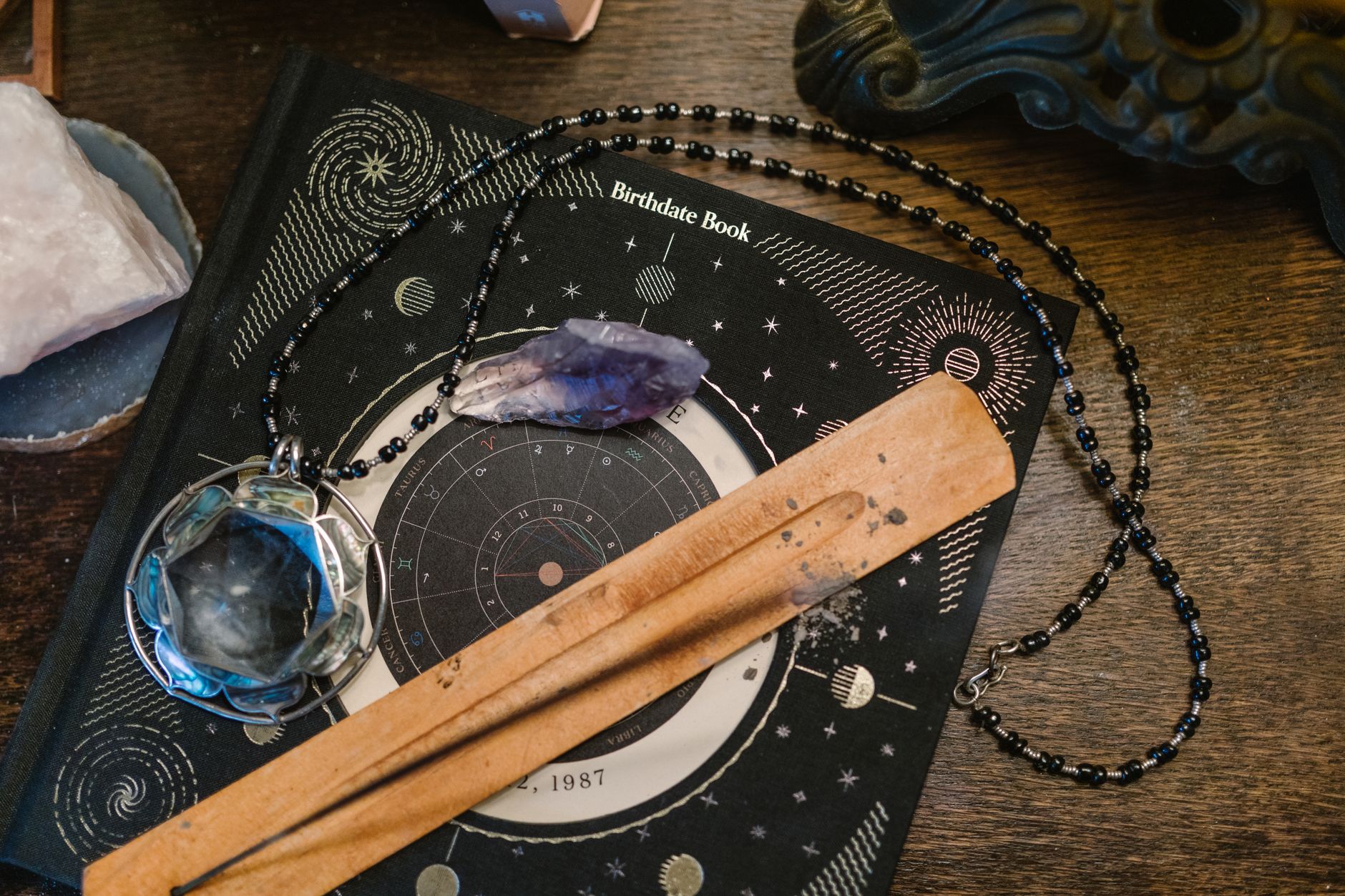
Astrology has fascinated humanity for centuries, offering a unique window into our personalities, life paths, and potential through the study of celestial bodies. Far from mere fortune-telling, astrology is a symbolic language that maps the intricate connections between the position of the Sun, Moon, and planets at our birth and our individual experiences. For beginners stepping into this vast universe, understanding the basics, like your birth chart, zodiac signs, and planetary influences, unlocks a powerful tool for self-discovery and personal growth. Resources like AstroSeek and Cafe Astrology provide accessible charts and interpretations, while podcasts such as The Astrology Podcast invite curious minds to delve deeper. From uncovering the essence of your Sun sign to unveiling the layered meanings of your Moon and Rising signs, the journey through astrology is both enlightening and deeply personal. This guide will lead you through astrology’s foundational elements, helping you decode the cosmic blueprint that shapes who you are.
Learn Astrology Basics: What Is Astrology and How It Shapes Your Birth Chart
At its foundation, astrology functions as a profound symbolic system interpreting the relationships between celestial bodies and human lives. Unlike reading stars as fixed points, astrology emphasizes the dynamic positioning of the Sun, Moon, and planets at moments such as your birth, crafting what is known as the natal or birth chart. This chart acts as a celestial snapshot, reflecting your personality traits, emotional patterns, and opportunities.
- Symbolic Language: Astrology translates planetary positions into meaningful insights about human nature and life cycles.
- Interconnectedness: The positions of celestial bodies mirror inner potentials and life circumstances.
- Dynamic Influence: As planets move (transits), they influence ongoing life trends.
Astrology goes beyond fortune-telling by emphasizing awareness over prediction. Like a weather forecast guiding our choices, the stars offer possibilities, not predetermined fates. Tools like Astrology.com and AstroGuide enhance understanding by providing free charts and explanations, perfect for beginners eager to explore the cosmos’ language.
How Your Birth Chart Functions as a Cosmic Map
Your birth chart comprises three key components: the zodiac signs, planets, and houses. These elements work together as actors and settings on your life’s stage.
- Zodiac Signs: The twelve signs provide the unique “costumes” through which planetary energies express themselves.
- Planets: Acting as distinct energies influencing areas like communication (Mercury), love (Venus), or drive (Mars).
- Houses: These twelve sectors indicate areas of life such as career, relationships, or home, where planetary energies manifest.
Understanding how these parts combine is crucial. Platforms such as AstroTwins and Tarot.com offer detailed explanations that make this complex web accessible to newcomers. Once familiar, your natal chart becomes a profound guide for personal reflection and decision-making.
Discovering Your Sun Sign: Your Core Astrological Identity
The Sun sign is often the gateway into astrology, representing your core self and central motivations. It marks the position of the Sun in the zodiac at your exact birth moment, reflecting your conscious identity and life purpose.
- Determining Your Sun Sign: Typically based on birth date ranges, but for accuracy, using online calculators like those on AstroSeek is advisable.
- Core Characteristics: Each sign, from Aries’ boldness to Pisces’ intuition, reveals distinct personality traits.
- Foundation of Self-Expression: Your Sun sign offers insight into what drives you and how you present yourself to the world.
Resources like Astrology Zone and Cafe Astrology provide detailed profiles for every Sun sign, aiding in recognizing qualities that resonate deeply. While it’s a fundamental piece, remember your Sun sign is only one aspect of your astrological identity, serving as the core around which the rest of your chart circulates.
Quick Overview of the 12 Sun Signs
- Aries: Courageous and assertive.
- Taurus: Practical and grounded.
- Gemini: Curious and adaptable.
- Cancer: Sensitive and nurturing.
- Leo: Charismatic and generous.
- Virgo: Analytical and detail-oriented.
- Libra: Diplomatic and sociable.
- Scorpio: Intense and passionate.
- Sagittarius: Adventurous and optimistic.
- Capricorn: Disciplined and ambitious.
- Aquarius: Innovative and independent.
- Pisces: Compassionate and artistic.
Exploring this list encourages reflection on your traits, a step helped by community discussions on forums like Astrology Hub, where personal experiences enrich learning.
Moon and Rising Signs: Your Emotional Depth and Outward Persona
Beyond the Sun, your Moon sign unveils your inner emotional landscape, the instinctual reactions and feelings that drive your subconscious. Meanwhile, your Rising sign or Ascendant, is the mask you wear in the world, shaping first impressions and personal style.
- Moon Sign: Represents emotional needs, habits, and comfort zones.
- Rising Sign: Indicates how you approach new situations and how others perceive you.
- Finding These Signs: Precise birth time is key; online calculators on sites like AstroSeek or Cafe Astrology can pinpoint both.
These layers add complexity and nuance to your personality analysis. For example, a charismatic Leo Rising might temper a reserved Virgo Sun, revealing the subtle interplay astrology describes. Podcasts such as The Astrology Podcast delve into these layers, encouraging deep understanding.
Examples of Sun, Moon, and Rising Sign Dynamics
- Sun in Virgo, Moon in Cancer, Leo Rising: Analytical core, emotional sensitivity beneath, outgoing social expression.
- Sun in Sagittarius, Moon in Capricorn, Gemini Rising: Adventurous spirit with emotional caution and communicative, quick-witted façade.
These combinations illustrate how multiple signs together compose a detailed personality map, vital for authentic self-knowledge.
The Planets and Their Roles in Shaping Life Experiences
Planets in astrology symbolize distinct energies influencing various life domains. Their placement within zodiac signs and houses paints a vivid portrait of your drives, challenges, and talents.
- Personal Planets: Mercury (communication), Venus (love), Mars (drive).
- Social Planets: Jupiter (growth), Saturn (discipline).
- Outer Planets: Uranus (innovation), Neptune (intuition), Pluto (transformation).
Each planet’s energy manifests differently depending on its sign (the “how”) and house (the “where”) in your birth chart. Exploration of these themes through tools like AstroStyle and Tarot.com reveals the multifaceted nature of self-expression. For example, Venus in Taurus emphasizes sensual appreciation for beauty, whereas Venus in Gemini expresses love through communication.
How Planets Influence Daily Life
- Mercury: Shapes thinking, learning, and message delivery.
- Venus: Governs romance, aesthetics, and values.
- Mars: Drives ambition, aggression, and initiative.
This awareness helps you see how various areas of your life are energized, and interacting with planetary meanings deepens your self-understanding.
Houses in Astrology: Defining Your Life’s Spheres
The twelve houses of astrology define the arenas where planetary energies unfold. Each house corresponds to distinct aspects of life, such as relationships, health, career, or community involvement.
- 1st House: Self-image and identity.
- 7th House: Partnerships and close relationships.
- 10th House: Career and public reputation.
Combining planets with their house placements explains not just which energies you carry, but where in life these energies become especially active. Resources like AstroSeek and Cafe Astrology assist beginners in mapping these complex interactions.
Simplified Meanings of Select Houses
- 2nd House: Finances and personal resources.
- 4th House: Family and home environment.
- 9th House: Travel, philosophy, and higher learning.
Understanding houses is key to unlocking how your personal story is shaped across different life dimensions.
How to Read and Integrate Your Birth Chart as a Beginner
Once familiar with the core elements, Sun, Moon, Rising signs, planets, and houses, you can begin synthesizing them into meaningful insights. Generating a chart through sites like Astro.com or AstroSeek is your first step.
- Focus on the Big Three: Sun, Moon, and Rising signs give a foundational personality sketch.
- Note Planetary Signs and Houses: Explore how these positions influence life areas and personal energies.
- Observe Patterns: Look for repetitive themes in signs or houses that dominate your chart.
- Use Trusted Resources: Consult Astrology Hub or Astrology.com for interpretations and explanations.
Patience is essential. Astrology unfolds gradually, offering ongoing opportunities to understand yourself better. Journaling your discoveries can deepen insights, while engaging with communities like the AstroTwins or Astrology Zone allows sharing experiences and questions.
Practical Tips for Chart Interpretation
- Start by mastering individual components before integrating complex relationships like planetary aspects.
- Maintain curiosity and respect for astrology’s symbolic depth.
- Consider professional readings to complement your self-study journey.
By embracing this structured path, astrology becomes a vibrant tool for self-awareness and personal growth, a celestial guide in your unfolding story.