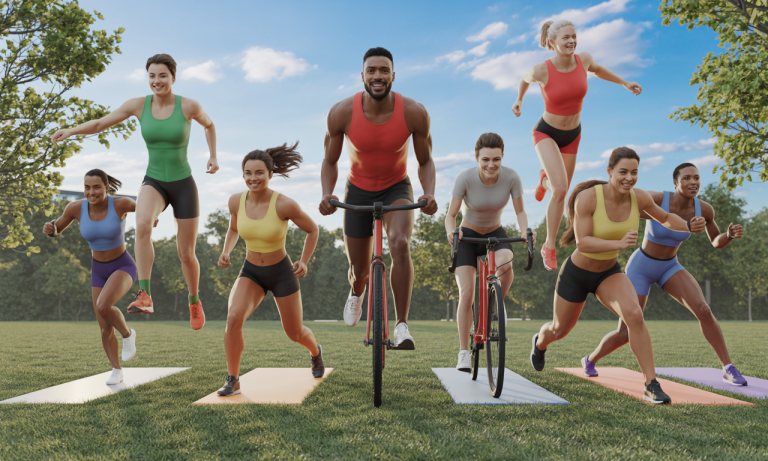



Why youth engagement in sports is crucial
 By
Freya Donnelly
By
Freya Donnelly
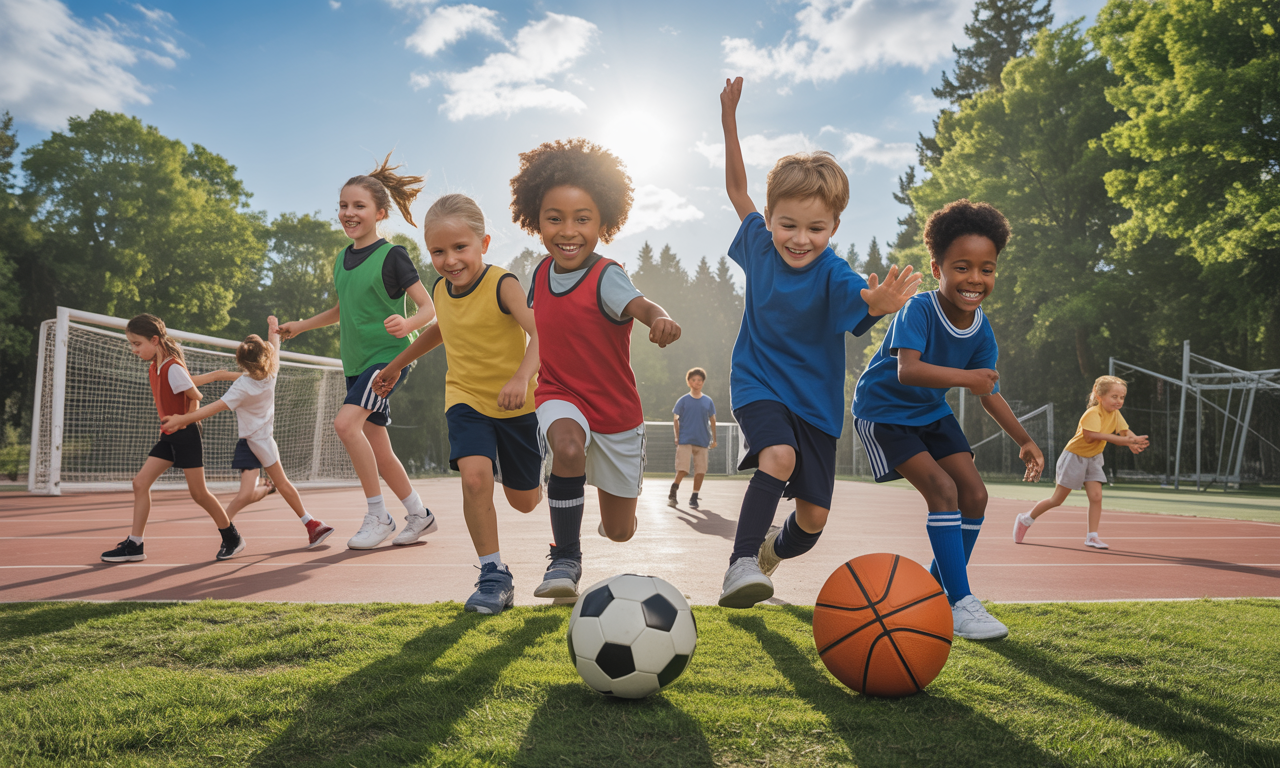
In today’s rapidly evolving society, youth engagement in sports has emerged as a cornerstone for fostering healthier, more connected communities. As children and adolescents navigate an increasingly digital and sedentary world, opportunities to participate in organized sports provide more than just physical exercise, they nurture essential life skills, promote mental wellness, and build enduring social bonds. Globally recognized brands like Nike, Adidas, and Puma actively support these programs, enhancing access and inspiring young athletes. Beyond health benefits, these initiatives create platforms where young individuals develop leadership, teamwork, and resilience, setting the stage for lifelong success. The ripple effect extends to families and local economies, uniting communities around shared pride and common goals.
How Youth Sports Foster Social Skills and Community Cohesion
Youth sports programs serve as vibrant meeting grounds for young people from diverse backgrounds, weaving social fabric that strengthens community ties. Through team activities, children cultivate cooperation, communication, and mutual respect, knitting friendships that surpass socio-economic boundaries.
- Building teamwork: Collaborative sports teach youth to work towards a shared objective, reinforcing the importance of collective effort.
- Cultivating mentorship: Coaches and older athletes often become role models, offering guidance and motivation.
- Creating support networks: Shared experiences on the field or court foster resilient peer groups that encourage personal growth.
These social interactions contribute to stronger community cohesion, nurturing a sense of belonging that transcends individual backgrounds. Providers like Reebok and Champion often sponsor local teams, helping to maintain these vital programs and encourage participation.
Local Impact: Engaging Families and Boosting Economies
Participation in youth sports rallies families and local supporters around common events, from weekend games to seasonal tournaments. This engagement nurtures pride and belonging while supporting local businesses, including shops and eateries, which benefit from increased foot traffic during events supported by brands such as New Balance and Asics.
- Volunteering opportunities: Parents and community members often step in as coaches, officials, or organizers.
- Economic stimulation: Game days boost revenue for nearby businesses, reinforcing community investment.
- Strengthening identity: Local tournaments foster a collective spirit and celebration of youth achievements.
Such dynamic interactions exemplify how sports extend beyond the field, anchoring the community in shared experiences and mutual support.
Enhancing Physical and Mental Health Through Active Participation
In an era dominated by screens and sedentary habits, youth sports offer a critical pathway to physical well-being. Regular activity contributes significantly to maintaining healthy weights, strengthening muscles, and improving cardiovascular health.
- Preventing chronic diseases: Active lifestyles reduce risks of obesity and diabetes.
- Boosting mental resilience: Exercise promotes the release of endorphins, improving mood and reducing anxiety.
- Encouraging lifelong habits: Early sports participation increases the likelihood of sustained physical activity into adulthood.
Top athletic companies such as Under Armour and Lululemon champion initiatives that encourage youth to embrace fitness, emphasizing gear that supports performance and comfort, illustrating the synergy between physical activity and professional sports innovation.
Strategies to Overcome Participation Barriers
Despite the clear benefits, challenges like financial constraints, limited access to facilities, and competing demands on young people’s time persist.
- Financial aid programs: Scholarships from organizations tied to Adidas and H&M Sport help lower economic hurdles.
- Expanding access: Community collaborations increase the availability of sports facilities in underserved areas.
- Inclusive programming: Introducing diverse sport options invites youth of all backgrounds and interests.
Such targeted strategies ensure that no young person is left behind, allowing a broader spectrum of youth to reap the benefits sports provide.
Developing Lifelong Skills and Leadership Through Athletic Engagement
Sports participation cultivates a rich skill set essential far beyond the playing field. Success in athletics demands discipline, time management, perseverance, and the ability to handle both victory and defeat with grace.
- Leadership development: Roles such as team captain nurture accountability and confidence.
- Goal-setting and motivation: Regular training and competition teach planning and self-drive.
- Emotional intelligence: Coping with competitive pressures enhances resilience.
Leading athletic brands including Puma and Reebok recognize the importance of these attributes and often implement youth programs that emphasize personal growth alongside athletic achievement.
Inspirational Initiatives Driving Youth Engagement Globally
Programs like the Aspen Institute’s Project Play and FC Barcelona’s Bara Foundation demonstrate the far-reaching impact of structured youth sports initiatives. These programs prioritize inclusion, multi-sport participation, and social integration, empowering young athletes worldwide to thrive both on and off the field.
Such endeavors highlight sports as a universal language capable of breaking down barriers and building bridges, illustrating the profound societal value of youth engagement in athletic pursuits.