

| IN A NUTSHELL |
|
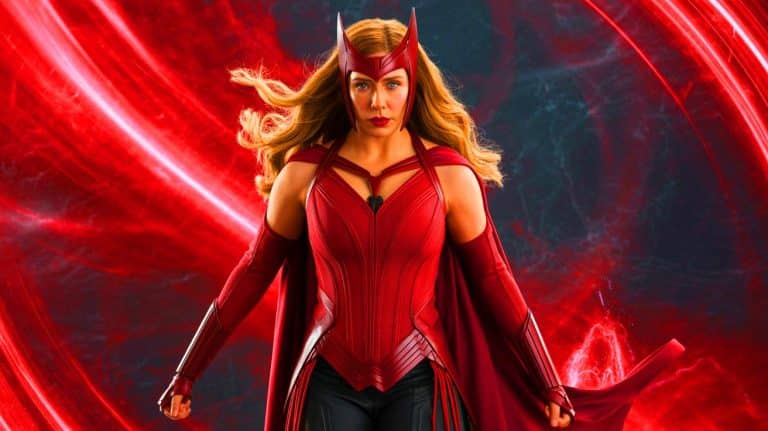
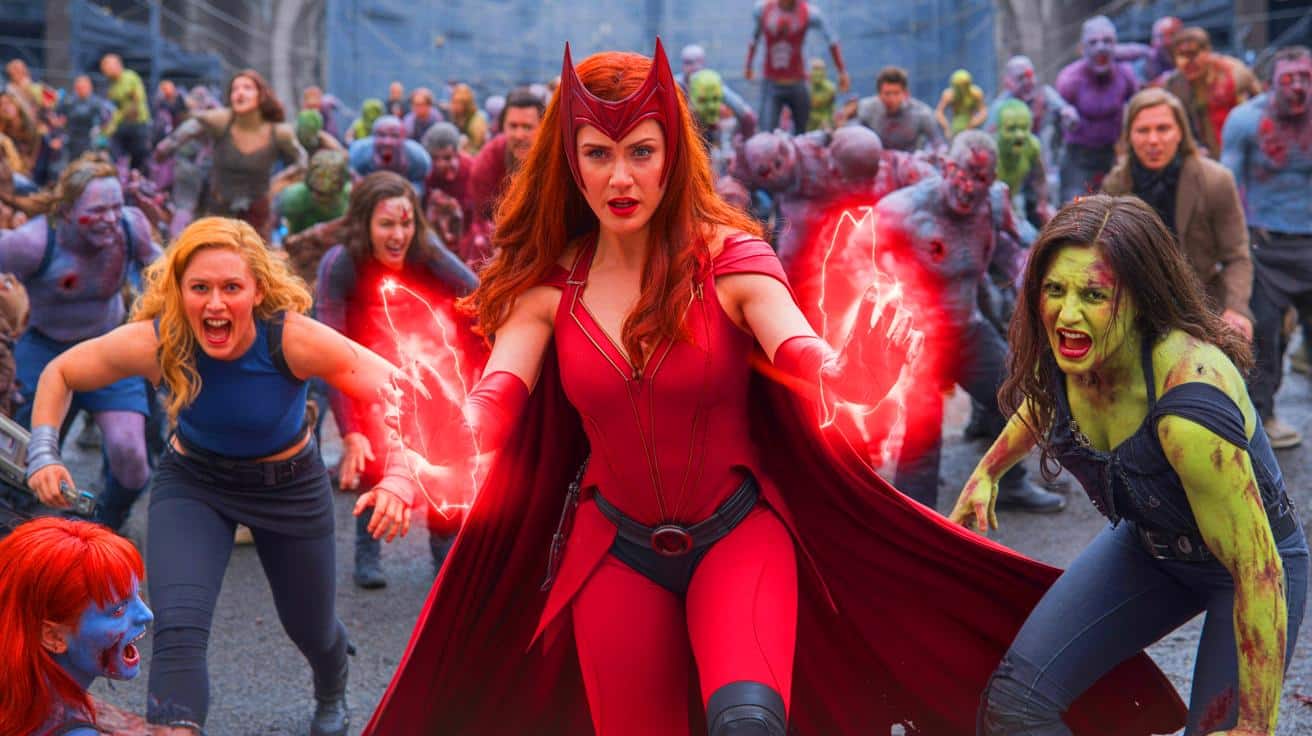
Marvel’s portrayal of villains has often sparked discussion among fans and critics alike. While the franchise has delivered memorable antagonists like Loki and Thanos, it has also faced criticism for its repetitive villain tropes. One character that has been caught in the crossfire of this critique is Wanda Maximoff, also known as the Scarlet Witch. Despite her complex character arc, she is often relegated to the role of the antagonist. This pattern continues in “Marvel Zombies,” a series that positions Wanda as the central villain once more. This decision has reignited debates about gender dynamics and character development in the Marvel Cinematic Universe (MCU).
Wanda Maximoff’s Complex Journey
Wanda Maximoff’s journey in the MCU is one of complexity and depth. First introduced as a villain in “Avengers: Age of Ultron,” she gradually evolved into a hero. Her character arc reached new heights with the release of “WandaVision,” which delved into her grief and trauma. The series was praised for its nuanced portrayal of Wanda, allowing audiences to empathize with her struggles. However, this complex portrayal was short-lived. In “Doctor Strange in the Multiverse of Madness,” Wanda reverted to her villainous role, a move that many fans saw as a regression of her character development.
Wanda’s depiction as a villain aligns with a troubling pattern in Marvel’s storytelling. Female characters who gain immense power often lose control and become antagonists. This trope has been seen with characters like Jean Grey in the “Dark Phoenix” saga and Sue Storm’s transformation into Malice. Wanda’s narrative reflects these themes, reinforcing the idea that powerful women are dangerous and need to be subdued.
Channing Tatum Promises ‘I’m Not Gonna Go Full Cajun’ as He Redefines Gambit for Avengers: Doomsday
The Gender Dynamics in Marvel’s Storytelling
Marvel’s storytelling has long been scrutinized for its handling of gender dynamics. In the early days of Marvel Comics, female characters were often portrayed as weaker counterparts to their male peers. Over time, these characters gained more power, but their narratives frequently involved losing control and turning to villainy. This pattern perpetuates harmful stereotypes about women and power.
Wanda Maximoff is a prime example of this trope. Despite her potential for heroism, she is frequently depicted as a threat. Her portrayal in “Marvel Zombies” as the “Queen of the Dead” further cements her role as a villain. This decision is particularly puzzling given the absence of comic book precedent for Wanda’s central role in this alternate reality. The choice to position her as the Big Bad once again highlights the franchise’s struggle to move beyond outdated gender norms.
Opportunities for Redemption
The decision to cast Wanda as a villain in “Marvel Zombies” misses an opportunity for redemption. The series could have explored new territory by subverting expectations and allowing Wanda to embrace her heroic potential. Instead, it falls back on familiar tropes, demonizing her to a monstrous degree. This choice is especially disappointing in a series known for its willingness to take creative risks.
By continuing to portray Wanda as a villain, Marvel reinforces the narrative that powerful women are inherently dangerous. This perspective not only limits the character’s potential but also perpetuates damaging stereotypes. The MCU has the opportunity to challenge these norms by offering more nuanced portrayals of female characters. Embracing complexity and growth in Wanda’s storyline could pave the way for more diverse and empowering narratives.
Fans Are Buzzing Over ‘Hoping’ as Clayface Set Photos Hint That ‘The Batman’ Might Merge With DCU
The Path Forward for Marvel
As the MCU continues to expand, the franchise faces a critical juncture. The portrayal of female characters like Wanda Maximoff offers a chance to redefine gender dynamics in superhero storytelling. By moving away from traditional villain tropes, Marvel can embrace a more inclusive and empowering narrative approach.
Audiences have shown an appetite for stories that challenge conventional norms. The success of “WandaVision” demonstrated the power of complex character arcs and emotional depth. As Marvel ventures into new territories, it has the opportunity to break free from outdated stereotypes and offer fresh perspectives on heroism and villainy.
Marvel’s storytelling choices impact how audiences perceive power and gender. What steps could the franchise take to better represent complex female characters and challenge traditional villain tropes?