



“This Won’t Last Long”: PlayStation Store’s Blatant Animal Crossing Clone Shocks Gamers (It’s Already in Your Library)
 By
Sanjay Mistry
By
Sanjay Mistry
| IN A NUTSHELL |
|
In the ever-evolving landscape of video gaming, the line between inspiration and imitation can often blur, leading to heated debates about originality and intellectual property. Recently, a game titled “Animal Village Online” has stirred controversy by appearing on the PlayStation Store, bearing a striking resemblance to Nintendo’s beloved “Animal Crossing” series. This uncanny similarity has not only surprised gamers but also raised questions about the ethics and legality of such blatant cloning in the gaming industry. As we delve into this unfolding story, we explore the implications for developers, gamers, and the future of originality in gaming.
The Controversy Surrounding Animal Village Online
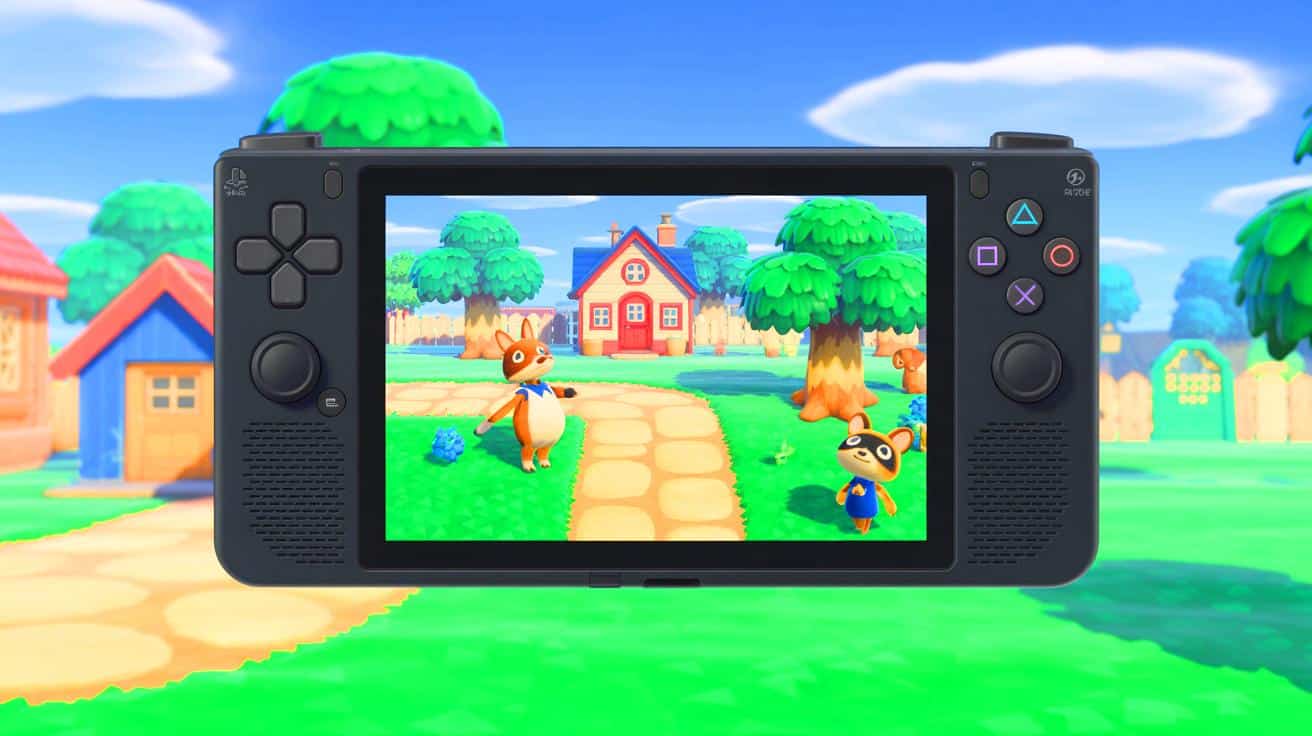
Animal Village Online’s appearance on the PlayStation Store has sent shockwaves through the gaming community. The game, which is slated for release in 2027, is developed by Wisnu Sudirman. Its promotional material and description bear a striking resemblance to Nintendo’s Animal Crossing: New Horizons. The game’s image alone mirrors the art style, character design, and even the environmental elements of Animal Crossing, creating a sense of déjà vu for fans. This has led to widespread criticism and accusations of intellectual property infringement.
Many gamers and industry experts have expressed disbelief at how such a blatant clone could make its way onto a major platform like the PlayStation Store. The description of Animal Village Online, which includes phrases like “design and expand your own charming house” and “invite friends to visit your village,” echoes the core gameplay mechanics of Animal Crossing. This has raised red flags among the gaming community, with some speculating that legal action from Nintendo may be imminent.
Legal and Ethical Implications
The case of Animal Village Online highlights the complex legal and ethical landscape of video game development. While inspiration is a common practice, outright cloning crosses a line that can have serious legal repercussions. The gaming industry has witnessed numerous legal battles over intellectual property rights, with companies like Nintendo fiercely protecting their franchises. In recent years, there have been several high-profile cases where companies have taken legal action against developers accused of creating copycat games.
In the case of Animal Village Online, the resemblance to Animal Crossing is so pronounced that it raises questions about the threshold for what constitutes a clone versus a game inspired by another. If legal action were to be pursued, it could set a precedent for future cases, influencing how developers approach game design and originality. Additionally, it underscores the need for platforms like the PlayStation Store to have more rigorous vetting processes to prevent such instances from occurring.
The Impact on the Gaming Community
The appearance of Animal Village Online has sparked a broader conversation within the gaming community about the value of originality and creativity. Many gamers, who are passionate about the games they love, feel a sense of betrayal when they see blatant imitations. This can lead to a loss of trust in gaming platforms and developers. On the other hand, some argue that competition and inspiration drive innovation and that new games can offer improved experiences even if they are similar to existing ones.
The controversy has also highlighted the role of gamers in holding developers accountable. With the rise of social media and online forums, gamers now have a platform to voice their opinions and influence the industry. The backlash against Animal Village Online demonstrates the power of collective action and the importance of community engagement in shaping the future of gaming.
The Future of Originality in Gaming
As the gaming industry continues to grow and evolve, the debate over originality versus imitation is likely to persist. Developers face the challenge of finding a balance between drawing inspiration from successful games and creating unique experiences that stand out in a crowded market. This requires not only creativity but also a deep understanding of the legal boundaries that govern intellectual property.
Moving forward, it will be crucial for both developers and platforms to prioritize originality and uphold ethical standards in game development. This includes fostering an environment that encourages innovation while respecting the intellectual property of others. As gamers, developers, and industry leaders navigate these challenges, the key question remains: How can the gaming industry ensure a future where creativity thrives, and originality is celebrated?
In the wake of the Animal Village Online controversy, the gaming industry faces an important crossroads. As platforms and developers grapple with the implications of cloning and intellectual property rights, the question emerges: How will the industry balance the need for innovation with the protection of original ideas, and what role will gamers play in shaping this future?