



How technology is changing the landscape of sports
 By
Freya Donnelly
By
Freya Donnelly
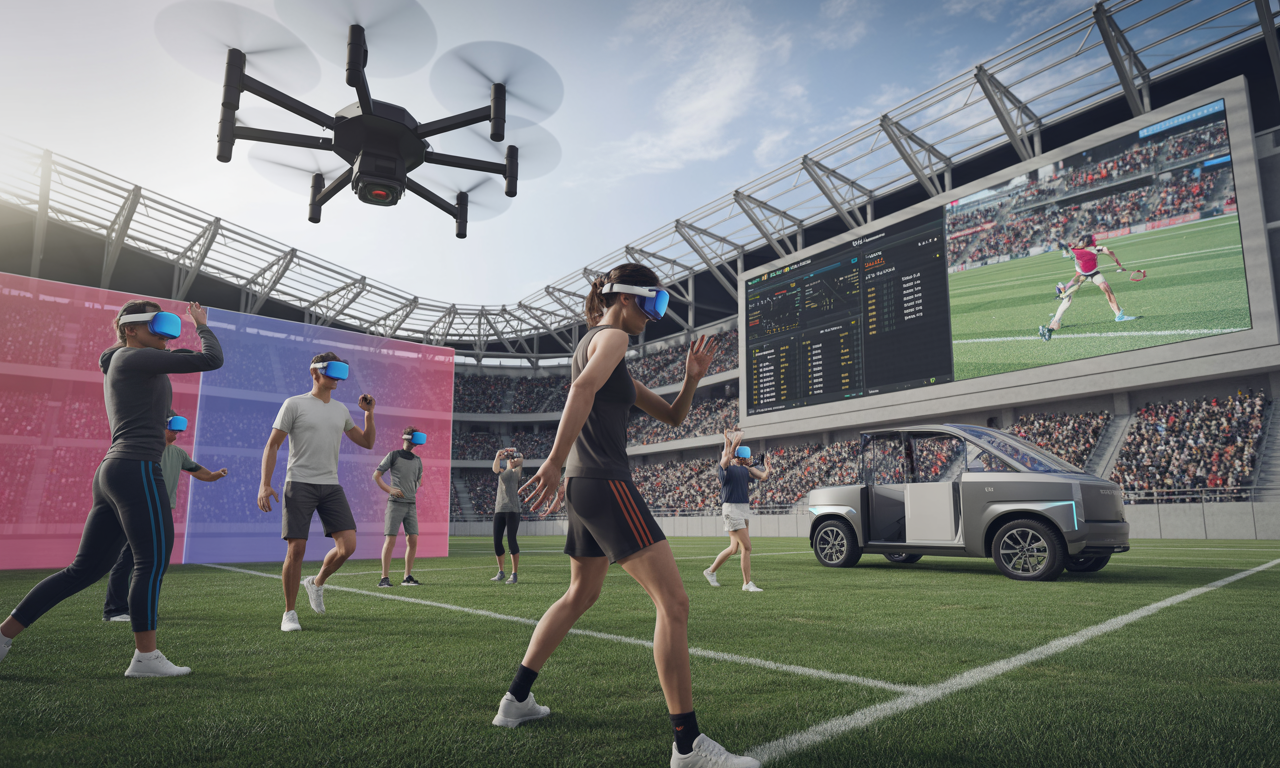
In today’s rapidly evolving sports environment, technology is not just a tool but a transformative force reshaping every aspect of the game. From professional leagues dominated by brands like Nike, Under Armour, and Adidas, to grassroots competitions, innovation has permeated the fabric of sports. Advanced wearable devices from Fitbit and Garmin now provide athletes with real-time performance data, enabling tailored training and injury avoidance. Simultaneously, broadcasters such as ESPN leverage AI-driven analytics and immersive technologies like virtual and augmented reality to enhance fan engagement and bring unprecedented insights into games. This synergy between technology and athletics extends beyond the field as smart stadiums equipped with IoT technologies improve spectator experiences while promoting sustainability. Together with innovations in data processing by platforms like IBM Watson and dynamic fan interactions through entities like DraftKings and Strava, technology is fundamentally changing how sports are played, viewed, and managed, heralding a new era for athletes and fans alike.
Revolutionizing Athletic Performance with Advanced Analytics and Wearables
Enhanced by cutting-edge tools and equipment, athletes’ capabilities have leapt forward as wearable technology and performance analytics provide precise insights into their physiology and movements. Here, industry leaders and their innovations converge to optimize outcomes.
- Wearable devices from Fitbit and Garmin track vital signs like heart rate, oxygen levels, and muscle activity, delivering data that helps athletes and coaches adjust training in real-time for maximum safety and effectiveness.
- Performance platforms such as Catapult Sports leverage GPS, accelerometers, and motion capture to analyze movement patterns, pinpoint weaknesses, and develop injury prevention strategies tailored to individual athletes.
- Data-driven coaching utilizes rich visualizations and predictive algorithms to refine game plans and player development, ensuring peak performance under competitive pressure.
This intricate web of technology empowers athletes to fine-tune their regimen with unprecedented precision, reducing injury risks while boosting speed, strength, and endurance. Such innovations underscore an essential truth: the marriage of technology and athleticism is setting the new standard for excellence in sports.
Case Study: Wearables Impact on Injury Prevention
Professional sports teams sponsored by giants like Adidas and Nike have integrated wearable sensors to monitor player fatigue and biomechanics in real-time. By identifying early signs of strain, medical staff implement timely interventions, significantly decreasing downtime due to injuries. This proactive approach exemplifies how technology not only enhances performance but safeguards athletes’ careers.
Transforming Fan Experiences Through Immersive Technologies and Smart Venues
Sports fans today expect more than just live action; they demand interactive, personalized, and immersive experiences. Technology is redefining how fans engage with their favorite sports, delivering new layers of excitement and connectivity.
- Augmented Reality (AR) and Virtual Reality (VR) solutions offer novel perspectives. Fans using VR platforms, such as those powered by Oculus or integrated in collaborations with ESPN, can virtually attend matches, choose unique viewing angles, and interact with in-game data overlays.
- Smart stadiums equipped with IoT sensors provide seamless ticketing, crowd management, and personalized services. Enhanced Wi-Fi networks enable quick access to stats and social media integration, enriching the live experience.
- Social media analytics empower teams and athletes to curate tailored content through platforms like Twitter and Instagram, driving deeper fan loyalty and engagement.
The rise of these technologies transforms spectatorship into an active, connected event, amplifying enthusiasm and bringing global audiences closer than ever before. The stadium is no longer just a venue but a hub where technology and entertainment converge.
Interactive Fan Engagement: The Role of AI and Social Platforms
Artificial intelligence turns fan data into personalized experiences, with chatbots providing instant responses and AI algorithms predicting fans’ content preferences. Companies such as DraftKings use AI to enhance betting platforms that engage fans on a strategic level, while fitness and social tracking apps like Strava forge community bonds by connecting amateur athletes worldwide.
Smart Strategies: The Growing Influence of Artificial Intelligence in Sports Management
Artificial intelligence is not merely an analytical tool but a strategic partner that is reshaping decision-making in competitive sports arenas.
- AI-powered systems, exemplified by IBM Watson, analyze massive databases of game footage and athlete statistics, discerning patterns invisible to the human eye and optimizing coaching strategies.
- Predictive analytics models forecast injury risks and player performance trends, enabling proactive roster and training adjustments.
- Operational efficiencies in logistics, ticketing, and fan services are enhanced through machine learning algorithms that streamline processes and enrich experiences.
With such strategic insights, sports organizations gain competitive edges in preparation, execution, and fan engagement, proving that technology has become indispensable in the quest for victory.
Enhancing Rehabilitation through Biomechanical Technology and Robotics
Emerging technologies in motion capture and robotics support athlete recovery. Motion analysis systems from companies akin to Dartfish enable precise identification of movement flaws, while robotic-assisted physiotherapy accelerates rehabilitation with customized, repeatable motion exercises. This fusion of technology and science is transforming how athletes heal and return stronger.
Emerging Technologies Shaping the Future Sports Landscape
Looking ahead, innovations promise to deepen SportsTech’s impact, unlocking possibilities that were once the realm of science fiction.
- Blockchain is poised to revolutionize ticketing and merchandise authenticity through secure, transparent transactions.
- Advanced robotics will extend their role from rehabilitation to potentially augmenting training techniques with enhanced precision.
- Quantum computing offers unparalleled data processing power, set to accelerate analytics in real-time game strategy and athlete performance forecasting.
These forward-looking technologies will continue elevating the sports industry’s standards, making the games more competitive, immersive, and equitable worldwide. Embracing innovation today ensures that sports remain vibrant and relevant well into the future.