

The impact of sports on mental health in 2025
 By
Freya Donnelly
By
Freya Donnelly
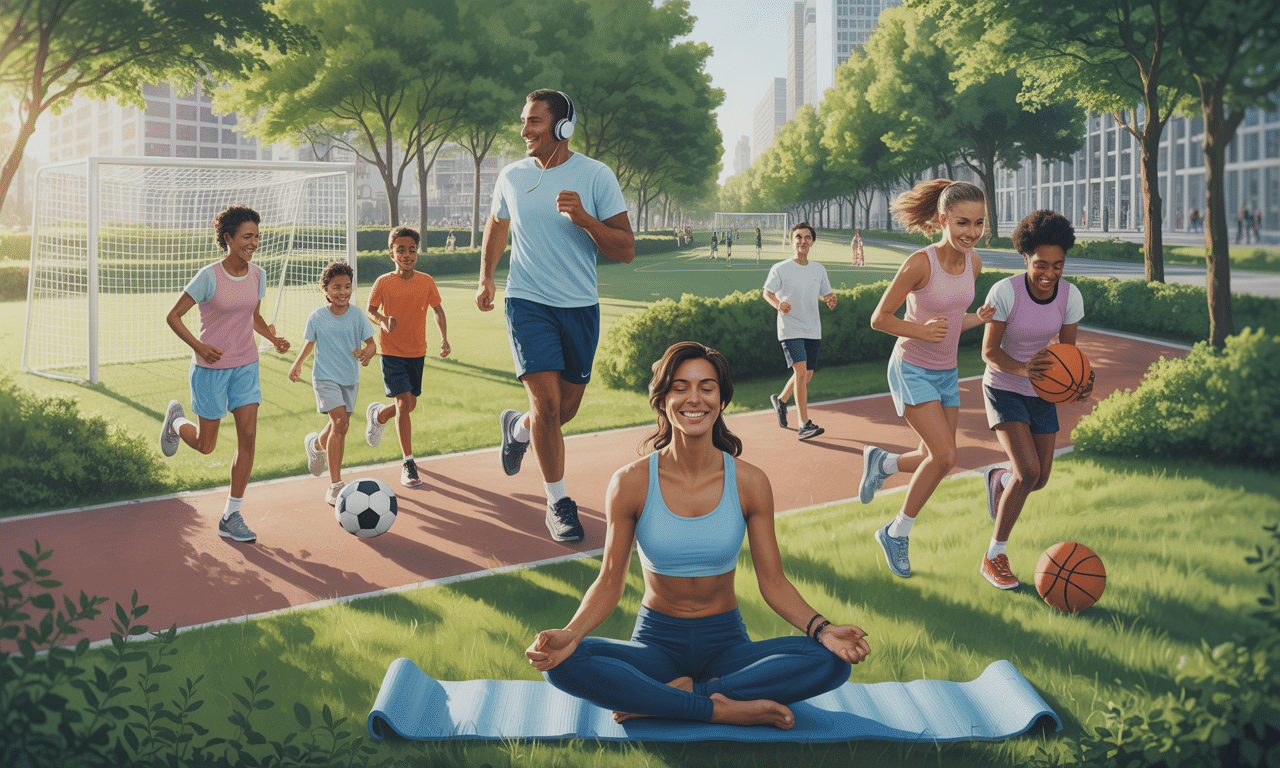
As the world steps further into 2025, the intersection between sports and mental health is garnering unprecedented attention. The Super Bowl Week in New Orleans marked a significant cultural shift where conversations about athlete mental health transcended the sidelines, becoming a central theme alongside athletic prowess. Major brands like Nike, Adidas, and Under Armour are no longer solely focused on physical conditioning; instead, they champion holistic wellness approaches that embrace mental performance as a core driver of success. This evolution reflects a broader societal realization that mental health is as crucial as physical skill in sports, with innovative programs, expert panels, and collaborations reinforcing this movement. From collegiate athletes to pros on the NFL stage, the conversation has expanded to include accessibility, community support, and technological advancements, promising a future where sports help unlock mental resilience and well-being for all.
How Top Sports Brands Drive Mental Health Awareness in 2025
The sportswear giants are stepping beyond mere fabric and footwear, embedding mental health into their brand missions. Companies such as Puma, Reebok, and Lululemon have launched initiatives aimed at promoting psychological well-being through their products and sponsored programs:
- Nike’s Mindset Campaign: Integrates mental wellness messaging with athletic training content to encourage athletes to prioritize mental health alongside physical goals.
- Adidas’ Community Workshops: Focus on group sports as a means to build social support networks, reducing isolation and stigma around mental health.
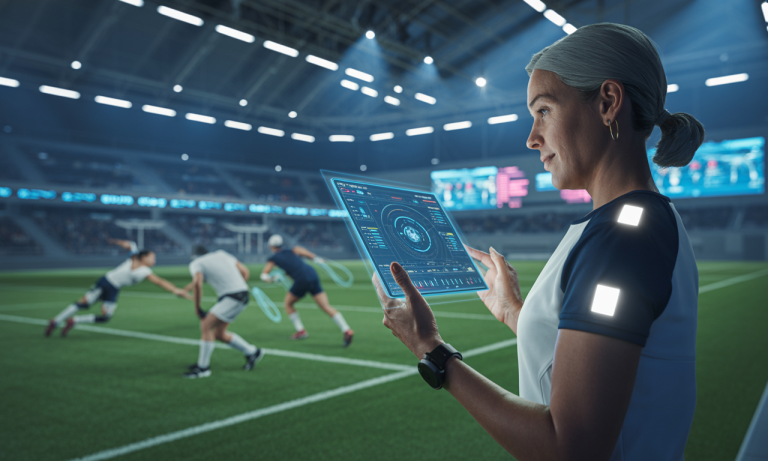
- Under Armour’s Tech-Integrated Wearables: Use sensors to monitor stress levels and suggest mindfulness exercises during training and competition.
- Lululemon’s Yoga and Meditation Classes: Complement physical agility with mental clarity, offering programs both in-studio and virtually.
- New Balance and Asics: Collaborate with mental health professionals to design training regimens that bolster psychological resilience.
Such strategies highlight a shift from performance metrics to holistic athlete welfare, emphasizing mental health as a pathway to sustained success.
The NFL’s Leadership in Athlete Mental Wellness During Super Bowl Week 2025
During the Super Bowl festivities, mental health took center stage in groundbreaking forums and events. The NFL Players Association’s Be Well Event gathered over 70 clinicians and sports psychiatrists, fostering a collaborative environment focused on specialized mental health care. Notable former players like Brian Dawkins and Brandon Marshall shared their lived experiences, underscoring the importance of mental well-being beyond the gridiron.
- More Than A Game Wellness Symposium: This student-athletes’ workshop included experiential rotations such as yoga, creative expression, and identity exploration led by experts like Doug Middleton.
- Sports Psychiatrist Engagement: For the first time on NFL Radio Row, a sports psychiatrist highlighted mental prep strategies for high-pressure games, emphasizing mental toughness as a critical skill.
- Leigh Steinberg’s Brain Health Summit: Focused on the impact of music on brain function and mental health, attracting thought leaders from various disciplines to New Orleans.
These efforts demonstrate the league’s commitment to dismantling stigma and elevating mental health support as integral to athlete performance.
The Role of Technology in Enhancing Mental Health Through Sports
In 2025, technological innovation is revolutionizing how athletes track and manage mental well-being. Brands like Saucony and Gymshark have embraced this trend by integrating mental health features into their wearables and mobile applications:
- Mental Health Monitoring: Wearables now provide feedback on stress indicators and anxiety patterns during workouts.
- Personalized Coaching: Digital platforms suggest mindfulness exercises or recovery protocols tailored to individual mental health metrics.
- Virtual Reality Training: Facilitates exposure therapy and resilience building in controlled, immersive environments.
- Community Connectivity: Apps foster peer support groups, allowing athletes worldwide to share experiences and coping strategies.
This fusion of sport and technology not only enhances performance but also empowers athletes to maintain mental balance proactively.
Building Resilience and Community Through Sports in 2025
Sports continue to be a vital tool for developing resilience and providing social support structures, crucial for mental health:
- Resilience Training: Team sports teach coping mechanisms for stress and adversity, skills transferable to everyday life challenges.
- Community Belonging: Participation fosters belonging, reducing feelings of isolation and promoting emotional stability.
- Identity Beyond Sport: Conversations led by athletes like Al Smith stress understanding one’s identity outside the game to ease transitions post-career.
This communal aspect complements the physical benefits of sports, making them a comprehensive approach to mental wellness.
Expanding Mental Health Education for Coaches and Clinicians
Recognizing that mental health support requires expertise, the sports community has doubled down on education for those who work with athletes:
- Training Programs for Coaches: Equip coaches to identify mental health warning signs and foster supportive environments.
- Clinician Workshops: Events co-hosted by the NFLPA encourage continuous learning among sports psychiatrists and therapists.
- Collaborative Panels: Cross-disciplinary discussions bridge gaps between medical professionals, athletes, and organizations.
This educational expansion ensures mental health care in sports is comprehensive, accessible, and adaptive to athletes’ evolving needs.
As 2025 progresses, the synergy between sports, technology, and mental health promises to foster a culture where athletic achievement and psychological well-being go hand in hand, powered by global brands, innovative practices, and dedicated communities.