


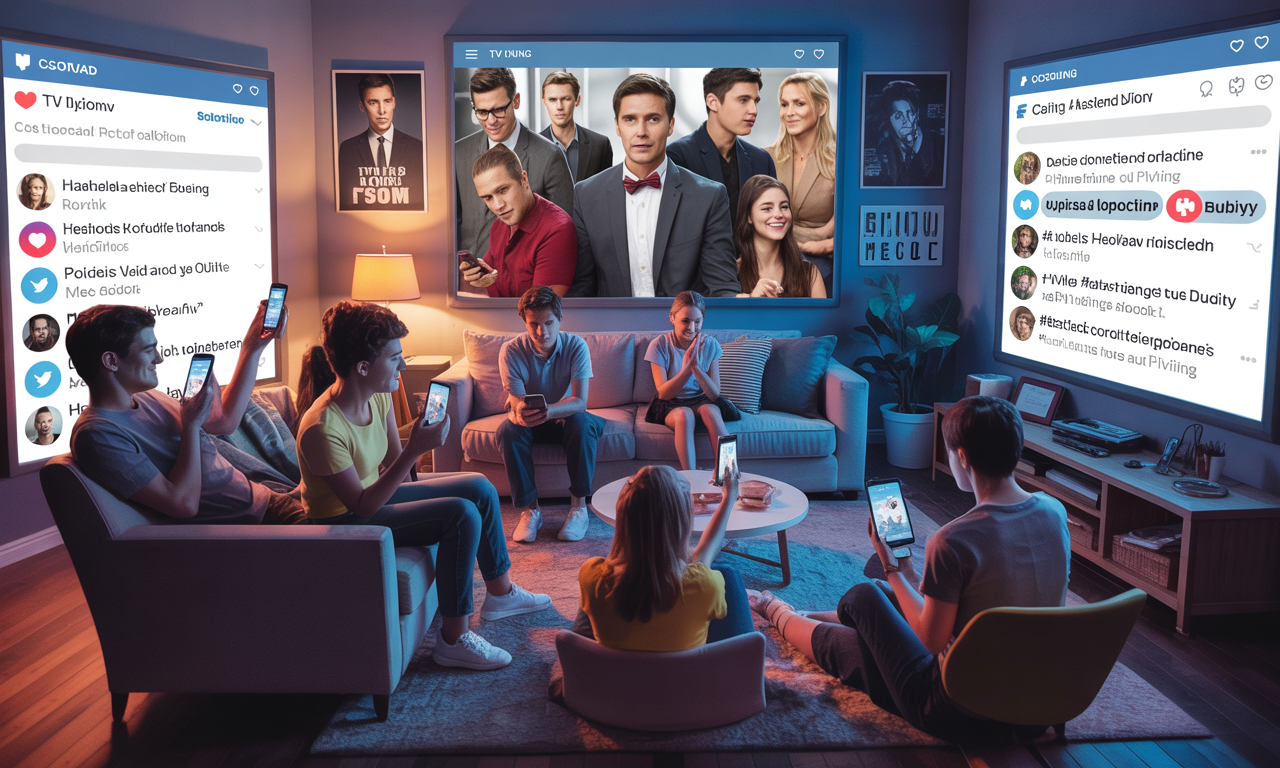
In the evolving landscape of entertainment, social media has become an indispensable force shaping the popularity of TV shows. Platforms like Twitter, Instagram, Facebook, TikTok, YouTube, Snapchat, Reddit, and Pinterest are no longer mere tools for communication; they are arenas where fandoms thrive, buzz is created, and audience engagement directly influences viewership and even content evolution. As networks and streaming giants such as Netflix and Hulu adapt to this digital transformation, the symbiotic relationship between television and social media redefines how shows gain traction, sustain attention, and resonate with global audiences.
How Social Media Platforms Elevate TV Show Popularity
Social media platforms uniquely facilitate immediate and widespread promotion of TV shows, enabling creators and marketers to connect with audiences beyond traditional advertising channels. Each platform offers tailored advantages in engagement and outreach:
- Twitter: Real-time conversations and trending hashtags amplify live viewing experiences and encourage community participation during episodes.
- Instagram: Visual storytelling through behind-the-scenes content, reels, and interactive stories helps humanize casts and deepen fan relationships.
- Facebook: Community groups and event pages foster fan discussions and organize watch parties, expanding a show’s social footprint.
- TikTok: Creative short videos and viral challenges spark cross-demographic interest, often breathing new life into existing series.
- YouTube: Trailers, interviews, and fan reactions hosted on official channels bolster anticipation and provide rich supplementary content.
- Snapchat & Reddit: Snapchat offers quick, authentic glimpses through Stories, while Reddit serves as a hub for in-depth discussions and fan theories.
- Pinterest: Collections of visuals and mood boards inspire fan engagement and facilitate discovery among niche audiences.
These diverse platforms together craft a multi-dimensional exposure strategy that captivates various viewer segments. The seamless interlinking among platforms intensifies the reach and embeds shows more firmly within popular culture.
Strategies to Maximize Social Media’s Impact on TV Shows
Successful TV marketing on social media hinges on a combination of engagement tactics designed to foster loyalty and amplify visibility:
- Create shareable content: Memes, character highlights, and exclusive scene snippets encourage organic sharing.
- Leverage influencers: Partnering with digital personalities who resonate with target viewers drives authentic endorsements.
- Mobilize hashtags: Strategically crafted hashtags generate buzz and consolidate fan conversations.
- Engage with fans: Responding to comments and spotlighting fan creations builds a dedicated community.
- Offer real-time updates: Live tweeting during episodes or interactive Q&As maintain excitement and real-time engagement.
- Release exclusive content: Behind-the-scenes footage or sneak peeks provide unique value to followers.
Executing these strategies cohesively ensures that a show’s presence is sustained and enhanced across social channels, ultimately driving higher viewership.
Understanding Social Media’s Influence on Audience Perception
The dynamic exchange between TV shows and their audiences via social media platforms reshapes how content is perceived and discussed. Instant feedback mechanisms allow creators to gauge sentiment and adapt accordingly, fostering a strong sense of community and involvement.
Key Approaches to Monitoring and Leveraging Audience Feedback
- Track conversations: Monitoring mentions and trending hashtags to stay attuned to audience mood.
- Sentiment analysis tools: Utilize data technologies to assess positive or negative trends in fan reactions.
- Interactive polls and Q&As: Engage directly with viewers to capture preferences and opinions.
- Demographic insights: Tailor content and targeting based on audience segments reflections.
- Iterative content adjustments: Adapt storyline elements or promotional tactics based on community feedback.
- Survey and direct messaging: Obtain qualitative data to deepen understanding of audience perspectives.
Through these mechanisms, social media serves not only as a promotional platform but as a feedback-rich environment that shapes creative and strategic decisions.
Common Mistakes in Social Media Marketing for TV Shows
Despite the clear benefits, many shows falter by mishandling their social media strategies. Recognizing pitfalls is essential to preserving and growing audience engagement.
- Irregular posting: Sporadic updates disengage fans and hinder momentum.
- Generic content reuse: Failing to customize posts for platform-specific audiences limits impact.
- Lack of fan interaction: Ignoring comments and feedback breaks the conversation loop.
- Over-promotion without engagement: Excessive sales-oriented posts can alienate viewers.
- Neglecting analytics: Without data-driven strategy adjustments, campaigns lose precision and effectiveness.
- Missing influencer collaboration: Overlooking influencers’ reach diminishes potential expansion.
Avoiding these errors amplifies the effectiveness of social campaigns and fosters a more passionate and loyal audience base.
The Power of Influencers and User-Generated Content in Shaping TV Popularity
Influencers hold considerable sway over how TV shows are perceived and adopted by audiences. Through authentic and relatable endorsements, they bridge the gap between production teams and fans, generating organic interest and conversation.
Steps for Effective Influencer Collaboration
- Identify aligned influencers: Select personalities sharing audience parallels with the TV show’s target market.
- Establish genuine rapport: Foster trust and collaborative creativity before formal promotions.
- Offer exclusive content: Provide sneak peeks or interviews that allow influencers to share unique insights.
- Encourage creativity: Let influencers present the show in their style for authenticity.
- Track engagement metrics: Monitor likes, shares, and comments to assess campaign success.
- Maintain long-term relationships: Cultivate ongoing partnerships for future projects.
Complementing influencer partnerships, user-generated content, such as fan art, memes, reviews, and challenges, plays a pivotal role in fueling community enthusiasm and visibility. This organic content fosters emotional investment and amplifies the show’s cultural impact.
Successful Social Media Campaigns That Have Redefined TV Show Popularity
Several campaigns exemplify innovative and effective use of social media to catapult a show into mainstream consciousness:
- Stranger Things: Blending nostalgic references with interactive online games sparked massive fan engagement across platforms like TikTok and Instagram.
- Game of Thrones: Strategic teaser trailers on YouTube and cryptic social posts on Twitter sustained worldwide excitement for seasons.
- Deadpool: Irreverent and humorous social media presence created a character-driven buzz that transcended traditional trailers.
- Frozen II: Leveraging personality quizzes and user-generated Pinterest boards engaged diverse demographics and strengthened fan community.
- A Star is Born: Instagram interaction and viral challenges connected emotionally with audiences, driving anticipation.
These campaigns highlight the importance of creativity, authenticity, and using multiple platforms synchronously to maximize reach and engagement.
The Future of Social Media in Shaping TV Show Dynamics
Looking ahead, social media’s role in TV entertainment is set to deepen with technological advances and shifting viewer expectations.
Emerging Trends to Watch
- Personalized algorithms: Enhanced content delivery tailored to individual preferences for refined engagement.
- Augmented reality experiences: Immersive interactions bridging physical and virtual worlds for fans.
- Real-time interactive features: Live polls, Q&As, and instant reactions during episodes.
- Expanded user-generated content facilitation: Tools to encourage and showcase fan creativity more effectively.
- Advanced analytics: Deeper insights into audience behaviors to inform content creation and marketing strategies.
- Innovative influencer collaborations: More integrated and storytelling-driven partnerships.
These developments promise a more participatory and immersive entertainment environment, firmly embedding social media as a cornerstone in how TV shows attract and sustain their audiences.