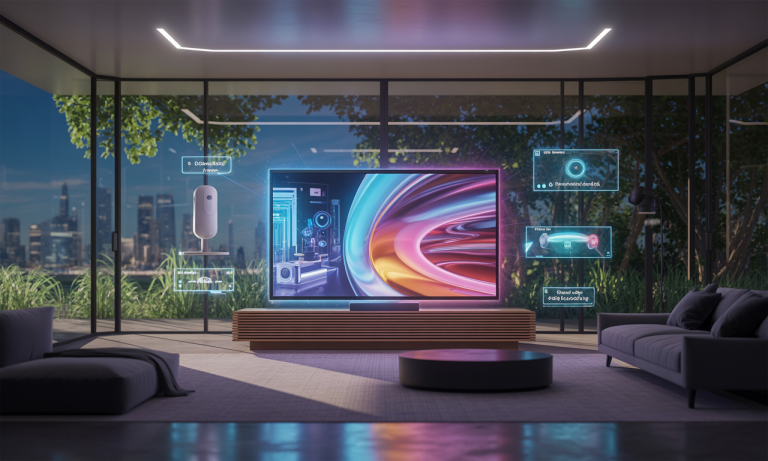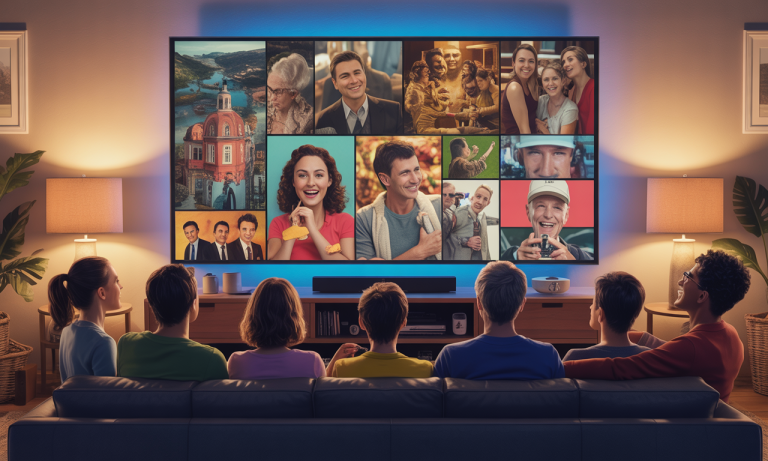




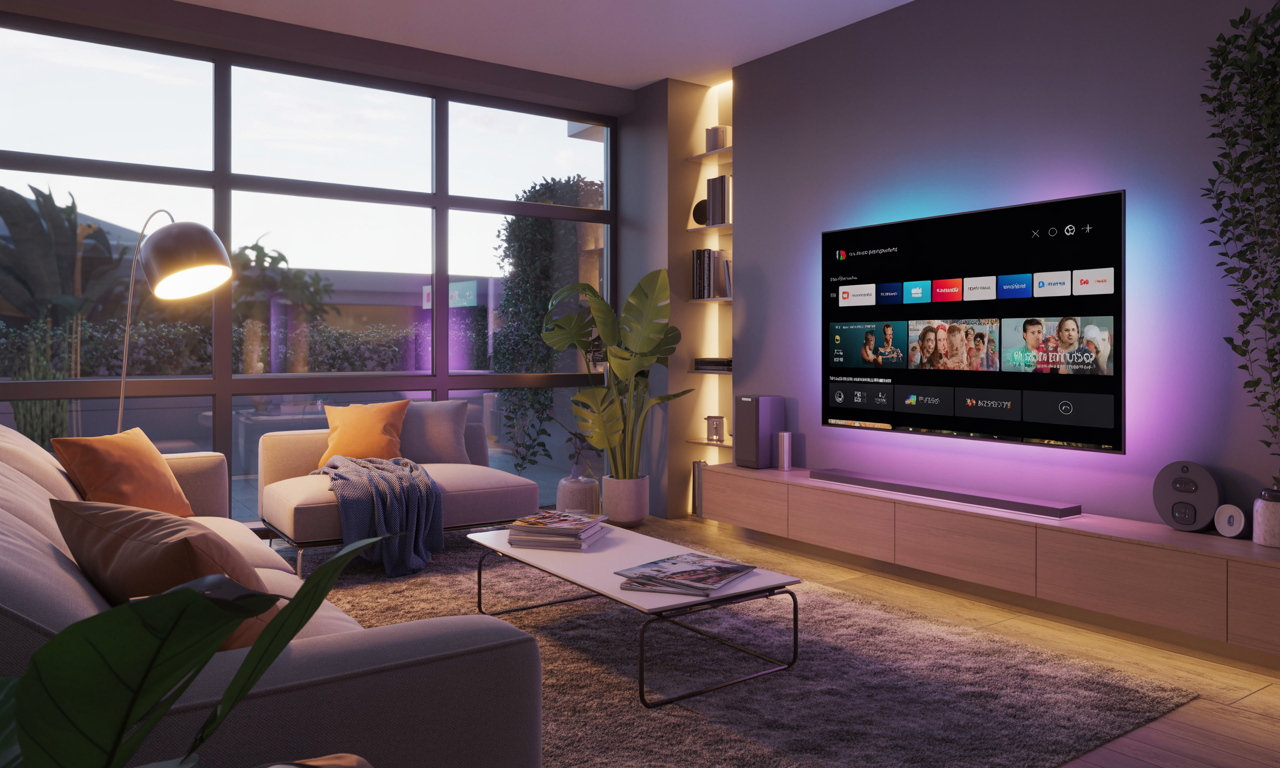
Once a simple household fixture meant for passive viewing, the television has metamorphosed into a dynamic centerpiece of modern living rooms. The advent of smart TVs has revolutionized how we access and enjoy media, blending cutting-edge technology with user-friendly entertainment. By 2025, these devices extend far beyond traditional broadcasting, offering interactive experiences, seamless connectivity, and integration into smart home ecosystems. Brands like Samsung, LG, Sony, and TCL spearhead innovations that make TVs versatile hubs for streaming, gaming, fitness, and even voice-activated control through platforms such as Roku, Amazon Fire TV, and Google Chromecast. This transformation reignites the television’s role in uniting families and enhancing lifestyle convenience, blending education, entertainment, and connectivity in one sleek device.
How Smart TVs Transform Home Entertainment in 2025
Smart TVs today are more than just screens; they operate as comprehensive entertainment centers, combining internet connectivity and app ecosystems to create a personalized viewing experience. They allow users to cut traditional cable ties and tap into streaming giants like Netflix, Hulu, Disney+, and HBO Max directly from their Samsung, LG, or Sony devices. The integration of platforms such as Roku and Android TV has simplified access to a broad content catalog, enabling effortless navigation through movies, shows, and even live TV. Moreover, Amazon Fire TV and Apple TV devices extend functionality, offering richer ecosystems and smart assistant integration. This surge in functionality reflects a shift toward immersive, on-demand entertainment tailored to individual preferences.
- Internet connectivity enables direct access to thousands of apps and streaming services.
- User-friendly operating systems like Roku OS and Android TV streamline content discovery.
- Voice control with Google Assistant or Alexa enhances hands-free interaction.
- Multiple device compatibility allows seamless casting and screen mirroring from smartphones and tablets.
This evolution has made smart TVs indispensable, offering an expansive entertainment portfolio accessible in the comfort of one’s home.
The Rise of 4K, HDR, and Superior Audio Technologies
The quality of the viewing experience itself has dramatically improved, driving many to upgrade to smart TVs incorporating 4K resolution and HDR. These technologies, offered by leaders like Sony and LG, bring stunning clarity and vibrant colors to the forefront. The leap from HD to 4K means images are four times sharper, delivering finely detailed visuals that enhance genres ranging from blockbuster films to nature documentaries. HDR technology further amplifies this effect by providing deeper contrasts and a richer color spectrum, making content feel more lifelike.
- 4K Ultra High Definition ensures razor-sharp images with breathtaking details.
- HDR (High Dynamic Range) enhances colors and contrast for more immersive viewing.
- Dolby Atmos and DTS:X sound systems create surround sound experiences that fully engage the viewer.
- Compatibility with soundbars such as those from Vizio or Nvidia Shield boosts audio quality substantially.
Through these advanced audiovisual features, smart TVs not only display content but envelop audiences in enthralling cinematic atmospheres right at home.
Smart Connectivity and Integrated Ecosystems
Connectivity is at the heart of what makes smart TVs essential today. Beyond streaming, they act as central hubs that coordinate various smart home devices. Using platforms integrated with Roku, Google Chromecast, or Amazon Fire TV, users can control lighting, thermostats, and security cameras without leaving the couch. Manufacturers such as Samsung and LG have optimized their TVs to support multi-device control along with voice assistants, creating intuitive user experiences.
- Smart home device compatibility links TVs with IoT systems for comprehensive home management.
- Screen mirroring and casting from smartphones, tablets, or laptops enhance content flexibility.
- Voice command integration enables hands-free navigation and operation.
- App ecosystems allow users to customize entertainment sources and tools.
As a result, the smart TV has become a dynamic interface that redefines entertainment and domestic convenience, marrying technology with daily living seamlessly.
From Gaming to Fitness: Expanding TV Functions
Smart TVs now venture into realms once dominated by dedicated devices, blending gaming, exercise, and educational functions. Gaming capabilities hosted on platforms like Nvidia Shield and Roku provide casual and advanced players a chance to enjoy games on large screens without additional consoles. In tandem, fitness apps accessible via smart TVs have surged in popularity, especially those from LG and Samsung, offering interactive workouts and wellness guidance.
- Gaming apps enable access to an array of titles, from casual puzzles to more complex adventures without consoles.
- Fitness and wellness applications support personalized workouts utilizing cameras and wearables for real-time feedback.
- Educational tools and interactive content transform TV time into a learning opportunity for all ages.
- Family-oriented features such as cloud sharing and multi-user profiles personalize the TV experience.
Smart TVs seamlessly blend entertainment and lifestyle enrichment, reinforcing their indispensable role in modern households.
Critical Factors for Selecting the Perfect Smart TV
Choosing a smart TV demands careful consideration of several features to ensure the device aligns with user expectations and lifestyle. Leading brands like Sony, TCL, and Vizio offer options varying in operating systems, picture quality, and interconnectivity, challenging buyers to balance budget with desired functionalities.
- Operating system preference: Android TV, Roku OS, Tizen, and webOS each provide unique app libraries and navigation styles.
- Display resolution and technology: HD, 4K, and 8K options, along with LED or OLED panels, affect image sharpness and color depth.
- Connectivity: Adequate Wi-Fi standards, Bluetooth support, and port availability (HDMI, USB) are essential for comprehensive device integration.
- Voice control compatibility: Integration with Alexa, Google Assistant, or Siri improves ease of use and accessibility.
By evaluating these parameters against personal viewing habits and technological ecosystems, consumers can identify a smart TV that offers excellent value and future-proof capabilities.
Ensuring Security and Privacy in a Connected Home
With increased intelligence comes increased vulnerability. As smart TVs gather data to enhance personalization, protecting user privacy becomes paramount. Enabling automatic updates and choosing strong passwords are basic yet vital steps to safeguard devices. Additionally, brands like Samsung and LG include privacy controls to manage data collection and restrict ad targeting.
- Keep software updated to patch vulnerabilities.
- Use strong, unique passwords for TV accounts and streaming services.
- Connect to secured Wi-Fi networks and avoid public networks for sensitive activities.
- Adjust privacy settings to limit data sharing and targeted advertising.
Awareness and proactive management protect users’ data and privacy, creating a safer smart TV experience in connected homes.
Smart TVs as the Next-Gen Family Hub
Today’s smart TVs are not just media players; they embody future-ready companions equipped with AI and intuitive controls. Their evolution into interactive assistants turns watching TV into a rich, shared experience that brings family members closer. Imagine requesting your TV to find the next episode hands-free or exploring a nature documentary enriched by interactive maps instantly displayed on your screen. This transformative power reconnects living rooms, fostering curiosity and learning alongside entertainment.
- AI-powered voice control allows effortless navigation and commands.
- Interactive education tools turn the TV into a learning portal for all ages.
- Multi-user profiles cater to diverse family preferences and content types.
- Seamless integration with smart home devices creates a centralized home control system.
As these capabilities mature, the smart TV is poised to reclaim its status as the heart of the home, blending technology, entertainment, and familial connection in unprecedented ways.