



Silent Hill F Focuses on Combat Because Young Gamers Are Addicted to Action and It’s Making Me Sick
 By
Josh Whitaker
By
Josh Whitaker
| IN A NUTSHELL |
|
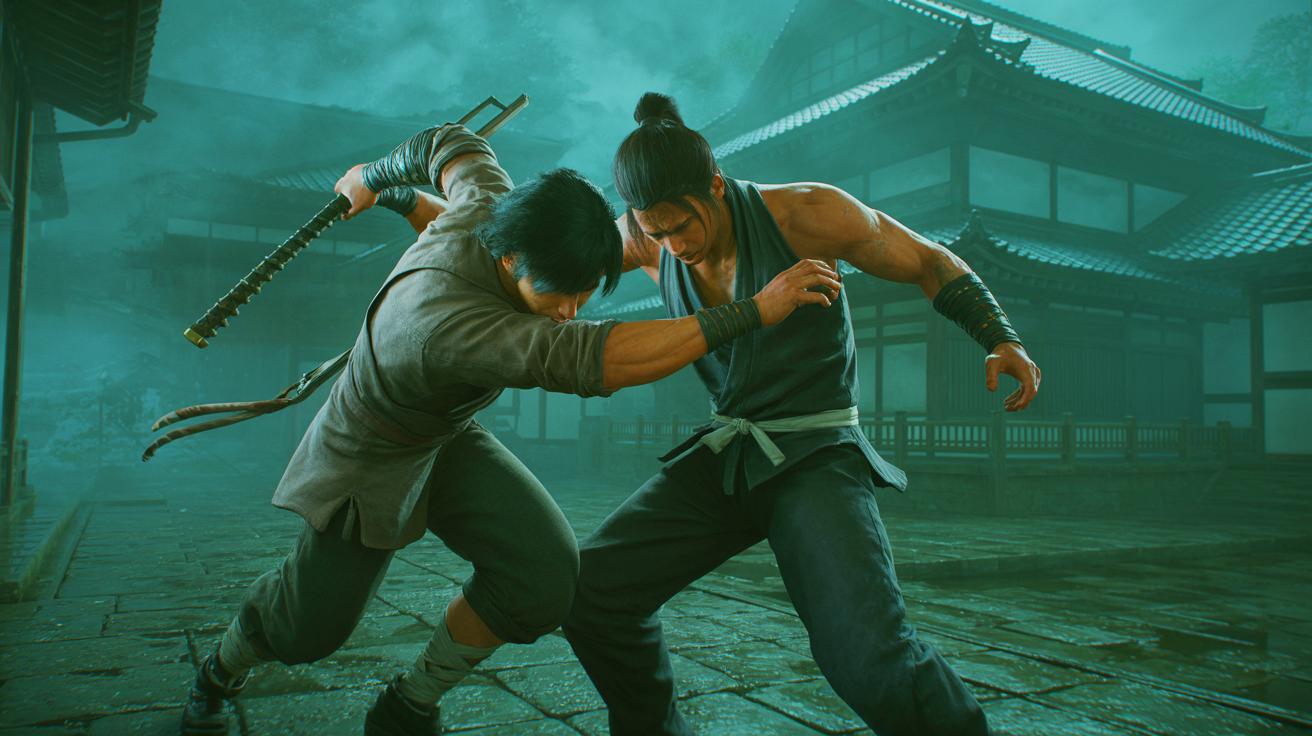
In the evolving landscape of video games, developers continually adapt to the shifting preferences of players. Konami’s decision to make “Silent Hill f” more action-oriented is a reflection of this trend. The game’s focus on melee combat, designed to attract younger audiences who prefer challenging action games, marks a departure from the series’ traditional horror-centric gameplay. This shift, according to series producer Motoi Okamoto, is not just about following industry trends but also about reinventing Silent Hill to resonate with a new generation of gamers. However, this change has sparked discussions among fans and critics alike about whether this move is a step forward or a deviation from what makes Silent Hill unique.
Konami’s Strategic Shift
In a recent interview, Silent Hill series producer Motoi Okamoto and director Al Yang discussed the rationale behind the combat-heavy focus of “Silent Hill f.” Okamoto explained that the decision was partly driven by the growing popularity of action games among younger players. This demographic shift has led Konami to explore new gameplay elements that might attract a broader audience. The company believes that by incorporating more engaging and thrilling action, they can breathe new life into the Silent Hill series.
Okamoto’s vision for Silent Hill f has been clear since the game’s early development phases. He emphasized the importance of evolving the series to avoid repeating past iterations. By selecting NeoBards, a company known for its expertise in action games, Konami aimed to ensure that the game’s combat mechanics would be polished and engaging.
However, the reaction from the gaming community has been mixed. While some fans appreciate the fresh approach, others are concerned that the game might lose its distinctive horror atmosphere. This concern is compounded by comparisons to other action-heavy games, leading to debates about whether Silent Hill f will maintain its identity or become a generic action title.
Industry Trends and Player Preferences
The decision to focus on action in Silent Hill f is not an isolated case. The gaming industry has seen a surge in the popularity of challenging action games, often referred to as Soulslikes. These games are known for their difficult combat mechanics and have gained a dedicated following. Konami’s move seems to align with this trend, hoping to capitalize on the growing demand for such experiences.
However, this trend has also led to discussions about “Soulslike fatigue.” Some players express weariness over the proliferation of games that mimic the challenging combat style popularized by the Dark Souls series. This sentiment is echoed by critics who worry that the uniqueness of Silent Hill could be overshadowed by a focus on action.
Despite these concerns, Okamoto and Yang have made it clear that they are not simply copying other successful titles. Instead, their goal is to innovate within the framework of the Silent Hill universe, creating a game that offers both action and the series’ signature horror elements.
The Impact of Cultural Context
One of the most significant changes in Silent Hill f is its setting in Japan. This decision was made to explore new cultural and atmospheric elements that could enhance the horror experience. Game director Al Yang stressed the importance of not merely replicating previous games but truly understanding and incorporating the horror atmosphere unique to Japan.
The choice to set the game in Japan has been praised by some as a smart move to revitalize the series. It allows for a fresh perspective on horror, drawing from Japan’s rich cultural history and folklore. This new setting could provide a unique backdrop for the game’s story and gameplay, potentially offering players an experience that is both familiar and novel.
However, setting the game in Japan also presents challenges. The developers must ensure that the game’s atmosphere and themes are authentically represented, avoiding the pitfalls of cultural appropriation or superficial representation. This balance is crucial for maintaining the integrity of the Silent Hill series while embracing new cultural contexts.
Balancing Innovation and Tradition
The challenge for Konami is to balance innovation with the series’ traditional elements. While the focus on action may attract new players, it risks alienating long-time fans who appreciate the series for its atmospheric horror and psychological depth. Okamoto and Yang are aware of this delicate balance and have expressed their commitment to preserving the core essence of Silent Hill.
According to Yang, the goal is to avoid creating a clone of previous games. Instead, they aim to offer a fresh experience that respects the series’ legacy. This includes maintaining the iconic horror elements while introducing new gameplay mechanics that challenge players in different ways.
The developers’ commitment to innovation is evident in their approach to combat. While action is a focal point, they have ensured that it complements the horror elements rather than overshadowing them. This approach reflects a broader trend in the industry, where developers strive to push boundaries while respecting the foundations of beloved franchises.
As “Silent Hill f” prepares for release, the gaming community remains divided on the changes introduced. The decision to focus on action reflects broader industry trends, but it also raises questions about the future of the Silent Hill series. Will Konami’s strategic shift pay off by attracting a new generation of gamers, or will it dilute the essence of what makes Silent Hill special? How can developers balance innovation with tradition in a way that satisfies both new and long-time fans?