



Why series adaptations of books are gaining popularity
 By
Freya Donnelly
By
Freya Donnelly
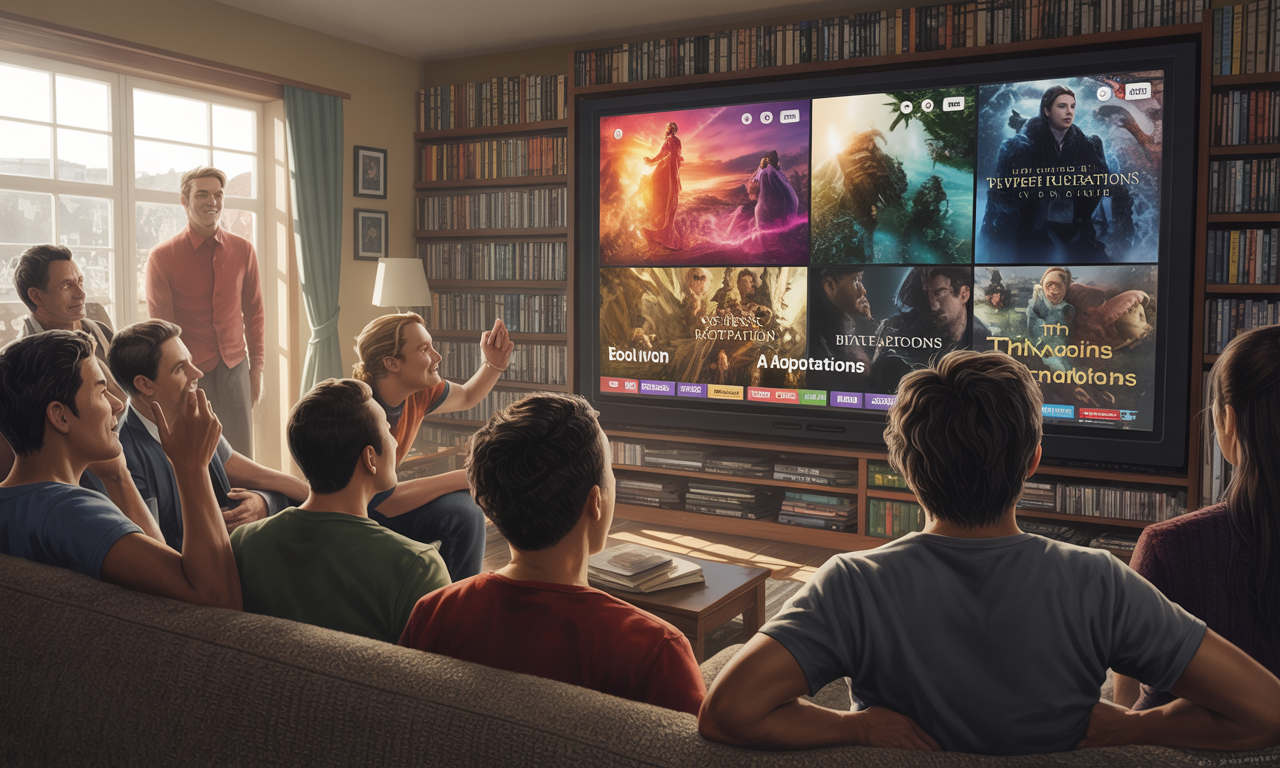
In recent years, the surge in television series adapted from books has reshaped the entertainment landscape. Platforms like Netflix, Hulu, Amazon Prime, Disney+, HBO, and Apple TV+ have propelled this trend, driven by an insatiable audience appetite for binge-worthy, richly layered storytelling. Unlike films, which face time constraints limiting character and plot exploration, TV series based on novels allow creators to delve deeply into complex narratives and character developments. This shift satisfies both avid readers and new viewers, blending literary worlds with visual storytelling to captivate global audiences. Studios benefit from the built-in fan bases and extensive source material, reducing investment risks, while viewers enjoy immersive experiences that keep them returning season after season. As streaming services continue to compete for exclusive content, book-based adaptations have become essential in crafting narratives that resonate widely and sustain long-term engagement.
How Episodic Formats Enhance Storytelling in Book Adaptations
One of the primary reasons book adaptations thrive in series format is the natural alignment between a novel’s structure and episodic storytelling. Books typically feature intricate plots, multiple characters, and expansive worlds that demand time to develop fully. TV series can accommodate these elements across several episodes or seasons, unlike movies which must condense narratives into a limited timeframe, often sacrificing depth.
- Extended Character Development: Series offer the chance to explore protagonists’ backgrounds and motivations thoroughly, as seen with Beth Harmon in “The Queen’s Gambit” on Netflix, where her complex childhood and struggles unfold over multiple episodes.
- Complex Story Arcs: Adaptations like HBO’s “Game of Thrones” demonstrate how layered fantasy worlds with multifaceted plots captivate viewers across multiple seasons.
- Franchise Potential: Series based on book series, like Netflix’s “Bridgerton,” leverage multiple novels to extend storylines and deepen audience investment while opening opportunities for spin-offs.
This format’s flexibility enables studios and streaming platforms including Paramount+ and Warner Bros to deliver rich narrative experiences that maintain viewer interest over a prolonged period.
Why TV Adaptations Outperform Movies for Book-Based Content
Movies frequently struggle to compress lengthy novels into two-hour formats, often disappointing loyal fans by omitting cherished subplots or character moments. TV series circumvent this by spreading content over multiple installments, ensuring a more faithful and engaging adaptation.
- Time Constraints: Unlike films, series have the luxury of runtime to explore nuances, allowing faithful representations of source material.
- Audience Engagement: Episodic format encourages sustained viewer interaction, creating anticipation and discussion between episodes.
- Adaptation Depth: Complex novels with interwoven storylines benefit from serialized storytelling to avoid oversimplification.
Streaming giants like Sony Pictures and Disney+ have capitalized on these advantages, delivering hits that satisfy both book fans and general audiences.
Strategic Advantages for Streaming Platforms in Adapting Books
Streaming services have revolutionized content consumption, and book adaptations align perfectly with their strategies for subscriber retention and global reach.
- Built-In Audience: Popular books come with dedicated readers eager to see their favorite stories visualized, ensuring an initial viewer base.
- Diverse Content Supply: Platforms like Hulu and Apple TV+ expand their offerings by adapting books from various genres, appealing to niche and mainstream viewers alike.
- Data-Driven Selection: Streaming services analyze viewing habits and social media trends to select books with high adaptation potential, minimizing financial risks.
This synergy between literary IP and digital streaming underscores why adaptations now dominate original programming portfolios across BBC and Paramount+, making them indispensable in a competitive market.
The Role of Genre and Niche Appeal in Book-to-Series Adaptations
Certain genres have demonstrated pronounced success when translated into series. Fantasy, young adult (YA), thriller, and historical dramas consistently attract large audiences but come with specific challenges and advantages:
- Fantasy: Expansive world-building found in series like “The Witcher” (Netflix) requires significant investment but yields high viewer engagement through imaginative storytelling.
- Young Adult: The explosive popularity of YA adaptations such as “The Hunger Games” shows how youth-centered narratives resonate widely, particularly with streaming audiences.
- Thrillers and Mysteries: These genres thrive in serialized formats, with shows like “Nine Perfect Strangers” (Hulu) leveraging suspense and complex character dynamics.
Understanding genre dynamics helps studios like Warner Bros and Sony Pictures tailor adaptations that maximize cultural impact and commercial success.
Case Studies Demonstrating the Success of Book-Based Series
Examples from major streaming platforms highlight how adaptations drive engagement and shape viewer preferences:
- “Game of Thrones” (HBO): Adapted from George R.R. Martin’s epic novels, this show redefined fantasy television with its intricate plotlines, multi-dimensional characters, and cinematic production values across eight seasons.
- “Bridgerton” (Netflix): Julia Quinn’s romance series gained massive popularity by combining period drama with modern diverse casting and steamy storylines, showcasing the potential of romance novels in visual media.
- “The Queen’s Gambit” (Netflix): This limited series brought Walter Tevis’s novel to life, diving deep into the psyche of a troubled chess prodigy, illustrating the power of detailed character study through serial storytelling.
These successes demonstrate how book-based adaptations not only attract existing fans but also expand the audience base significantly.
Looking Ahead: The Future of Book Adaptations on Screen
As technology advances and global streaming expands, book adaptations are poised to maintain their popularity. Enhanced CGI, growing international markets, and a growing appetite for detailed storytelling suggest a continued increase in such projects by platforms like Disney+, Netflix, and Amazon Prime.
- Innovative Formats: Mini-series and anthology formats offer new ways to adapt diverse stories efficiently.
- Diversity & Inclusion: A greater focus on underrepresented voices in literature translates to richer narratives on screen.
- Interactive Storytelling: Emerging technologies will likely enable more immersive audience experiences based on book adaptations.
Ultimately, the marriage between books and series programming continues to enrich entertainment, drawing in audiences worldwide while providing stable, rewarding content opportunities for studios and streaming services alike.
Continue reading