



Reality television, once a niche genre capturing raw human drama with its unfiltered lens, has evolved spectacularly by 2025. Gone are the days of camcorder-style productions; today, reality TV is a sprawling, multi-faceted domain dominated by high-budget shows on platforms like MTV, Bravo, and Netflix. It seamlessly blends entertainment with social commentary, fueled by authenticity, diversity, and technological innovation. Viewers have become active participants, engaging through live voting on ABC and CBS or immersing themselves via VR experiences that redefine interactivity. While traditional formats still draw crowds, fresh hybrids integrating scripted drama and gaming elements have invigorated the scene. Yet, amidst this transformation, challenges like formula fatigue and mental health concerns linger. As reality TV adapts, its magnetic pull on our curiosity and emotions remains unbroken, promising a thrilling landscape for fans across Hulu, Amazon Prime Video, and YouTube alike.
How Reality TV Morphs to Match 2025’s Audience Expectations
Reality television has undergone a remarkable metamorphosis to stay relevant in 2025, reflecting societal shifts and technological leaps. It has shifted from simple voyeurism toward socially conscious storytelling, where shows focus as much on representation and authenticity as on entertainment value.
- Inclusive narratives: Series like “Queer Eye” and “RuPaul’s Drag Race” exemplify how reality TV champions diversity, engaging viewers with authentic stories and social themes.
- Hybrid genres: Combining elements of documentaries, scripted drama, and gaming, shows now appeal to broader tastes and maintain excitement.
- Eco-awareness: Programs such as “The Great Eco-Challenge” tap into global sustainability concerns, marrying entertainment with environmental activism.
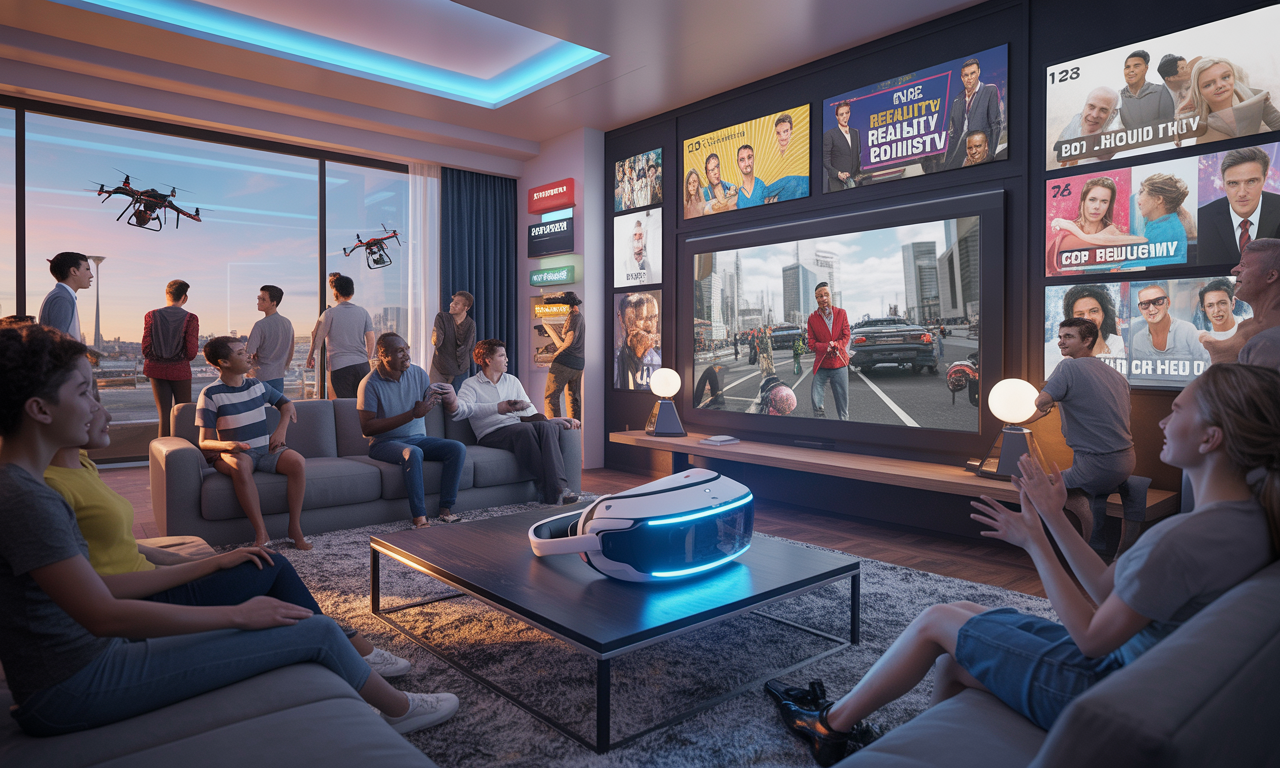
- Interactive formats: Platforms harness technology to create real-time engagement through live voting and virtual reality, transforming viewers into co-creators of the narrative.
By aligning with cultural values and technological expectations, reality TV in 2025 ensures a dynamic viewing experience that resonates deeply with modern audiences.
The Role of Streaming Giants and Networks
Major broadcasters and streaming services have become key players in shaping reality TV’s direction. Hulu and Amazon Prime Video invest heavily in original unscripted content, while ABC and CBS innovate with interactive programming. MTV, Bravo, and VH1 continue to nurture long-standing franchises, adapting them for new-age audiences. Netflix’s global reach has helped popularize niche formats and international mashups, expanding the genre’s diversity significantly. Meanwhile, YouTube offers a platform for DIY reality shows, appealing especially to younger demographics through influencer-driven narratives.
Why Reality TV Remains Irresistible: The Psychology Behind Our Addiction
At its heart, reality TV thrives on fundamental human drives: curiosity, emotional connection, and social comparison. The genre taps into our desire to peek inside others’ lives, witnessing their conflicts, romances, and triumphs with a mix of empathy and judgment.
- Curiosity fulfilled: Reality shows satisfy our interest in human behavior and drama, providing a constant stream of emotional highs and lows.
- Emotional engagement: Dramatic storytelling amplifies feelings, creating powerful bonds between viewers and participants.
- Social comparison: Watching contestants’ successes and failures lets viewers reassess their own lives, sometimes inspiring, sometimes providing catharsis.
- Interactive involvement: Features like audience voting intensify the connection by enabling active participation in outcomes.
This intricate psychological web ensures reality TV’s compelling hold, making it both addictive and culturally significant.
Balancing Authenticity and Entertainment
As audiences demand more genuine content, reality TV producers face the challenge of delivering authenticity without sacrificing drama. Shows such as “Love on the Spectrum” offer unfiltered portrayals of real experiences, while others integrate spontaneous moments alongside structured edits to maintain engagement. The sophistication of editing and storytelling on platforms like E! and Bravo skillfully navigates this tension, ensuring that reality TV remains both credible and captivating.
New Frontiers in Reality TV: What’s Trending in 2025
The landscape of reality television in 2025 is shaped by innovation and evolving viewer preferences. Several exciting trends have emerged, setting the stage for future growth.
- Immersive interaction: Virtual and augmented reality tools invite viewers to step inside the show, creating unprecedented engagement.
- Purpose-driven content: Shows emphasize themes of sustainability, mental health, and social impact, reflecting audience values.
- Niche specialization: Unique competitions like competitive sewing or urban gardening find passionate audiences on streaming platforms.
- Global mashups: International franchises blend diverse cultures and styles, expanding reality TV’s appeal worldwide.
These trends highlight reality TV’s adaptability and commitment to freshness, ensuring its place at the forefront of entertainment.
Examples of Hit Reality Shows Defining 2025
Several standout series have captured attention across networks and streaming services:
- The Great Eco-Challenge: Airing on Bravo, this series combines physical trials with environmental consciousness.
- Love in the Metaverse: Streaming on Netflix, it merges dating reality with virtual reality technologies.
- Real Housewives of the Future: Featuring on VH1, this futuristic take on a classic franchise explores lives shaped by AI innovations.
- Survivor: Mars: Produced for CBS, contestants face challenges in a simulated Martian environment.
- Tiny House, Big Dreams: On Hulu, this series spotlighting minimalist living continues to resonate with eco-conscious viewers.
Challenges Facing Reality TV: Navigating Pitfalls and Criticisms
Despite its success, reality television contends with significant criticisms and risks as it evolves.
- Overproduction and formula fatigue: Audiences grow weary of repetitive tropes and staged drama that lack freshness.
- Mental health concerns: The pressure on participants to maintain curated images often leads to anxiety, depression, or substance abuse.
- Negative viewer impact: Excessive binge-watching contributes to sedentary lifestyles and feelings of inadequacy, notably among youth.
- Diversity challenges: Tokenism and superficial representation still plague certain franchises, undermining authenticity.
As 2025 unfolds, producers and viewers alike are called to foster a healthier, more responsible engagement with the genre, balancing entertainment with ethical considerations.