



Neil Newbon’s Haunting Transformation: “I Felt Terror Rip Through Me!” Still Laughs Like Baldur’s Gate 3 Vampire
 By
Josh Whitaker
By
Josh Whitaker
| IN A NUTSHELL |
|
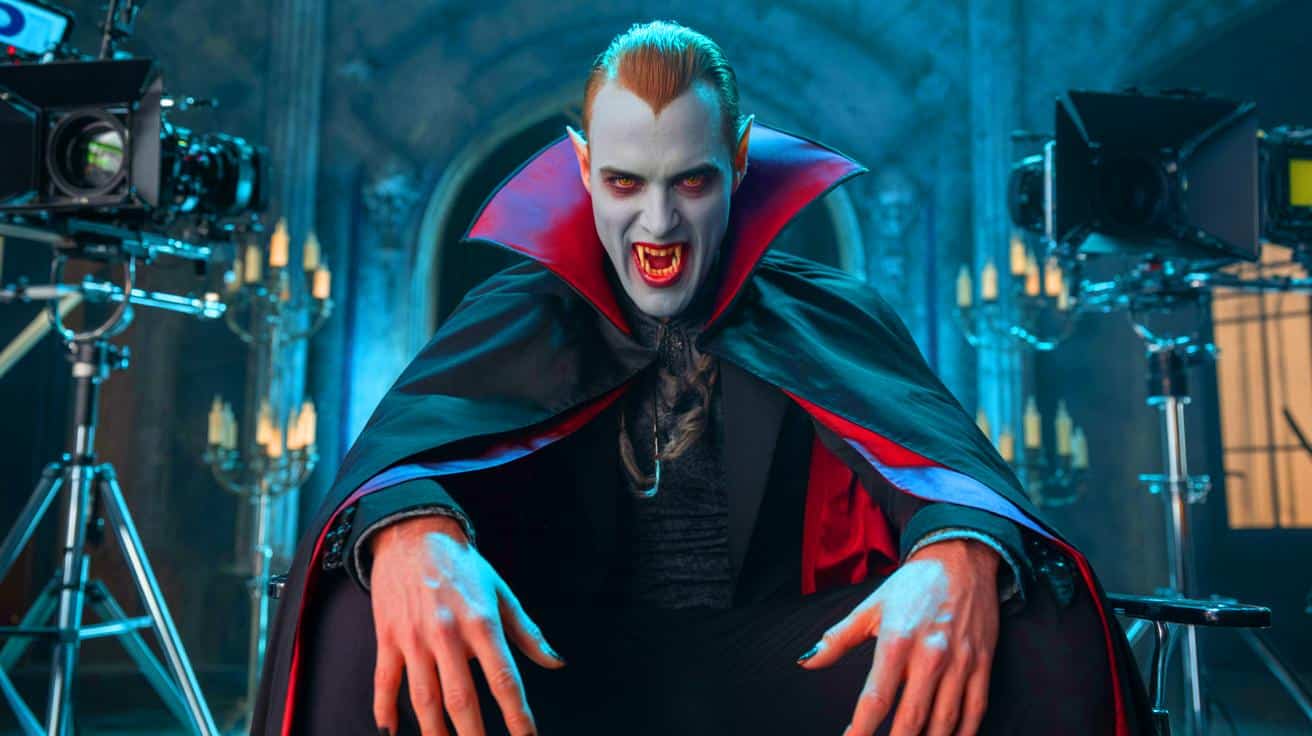
Neil Newbon’s portrayal of Astarion, the vampire spawn in Baldur’s Gate 3, has left a lasting impact on him that extends beyond the screen. Known for his method acting approach, Newbon finds it challenging to completely detach from the characters he plays. This phenomenon is not uncommon among actors who immerse themselves deeply in their roles to deliver authentic performances. Newbon’s experience highlights the intriguing and sometimes unsettling effects of method acting on performers. As he confessed, certain mannerisms of his character Astarion have seeped into his real-life behavior, even affecting his laughter. This raises questions about the psychological toll of such acting techniques and their long-term influence on actors.
Method Acting and Its Psychological Impact
Method acting is a technique that encourages actors to fully embody their characters by drawing on personal experiences and emotions. This immersive approach aims to achieve realism and authenticity in performances. However, the technique can blur the lines between the actor’s identity and the character they portray, potentially leading to lasting psychological effects. Neil Newbon’s experience with Astarion serves as a testament to this. He admitted that certain characteristics of the vampire spawn have lingered in his everyday life. This phenomenon is not isolated to Newbon; many actors have reported similar experiences, where the intensity of their roles leaves a lasting imprint on their psyche.
The ability to separate oneself from a character is crucial for an actor’s mental well-being. Prolonged immersion in a character’s world can lead to emotional exhaustion and identity confusion. In extreme cases, it can even result in mental health issues such as anxiety and depression. Newbon’s candid admission about struggling to shake off Astarion’s mannerisms underscores the importance of developing strategies to transition back to one’s real-life persona. While method acting can elevate performances, it is essential for actors to employ techniques that help them detach from their roles once the acting process concludes.
The Challenges of Balancing Multiple Roles
Neil Newbon’s career is not limited to his role in Baldur’s Gate 3. He has taken on various challenging roles, including portraying Bryn, the lead ape in the animated movie Planet of the Apes: Last Frontier. Balancing multiple roles simultaneously poses a unique set of challenges for actors. Each character requires a distinct emotional and psychological investment, demanding significant mental agility from the performer. Newbon’s admission of adopting certain ape-like mannerisms when annoyed illustrates the complexity of switching between characters with vastly different traits.
The mental and physical demands of juggling multiple roles can lead to burnout, as actors struggle to maintain the authenticity of each character without allowing one role to influence another. This challenge is compounded when actors are deeply immersed in method acting, as it requires them to live and breathe their characters. The pressure to deliver compelling performances across different projects can be overwhelming. Newbon’s experience highlights the need for actors to establish boundaries and implement self-care practices to manage the stress associated with their craft. Understanding the nuances of each role and allowing time for rest and recuperation can help actors maintain their well-being while delivering outstanding performances.
The Lasting Influence of Iconic Roles
Iconic roles often leave a lasting impact on both actors and audiences. Characters like Astarion from Baldur’s Gate 3 become ingrained in popular culture, shaping public perception of the actors who portray them. For Neil Newbon, Astarion’s influence extends beyond the screen, affecting his real-life interactions and mannerisms. This lasting impact is a testament to the power of compelling storytelling and character development. However, it also presents challenges for actors seeking to diversify their careers.
Actors who become strongly associated with a particular role may find it difficult to break free from that character’s shadow. This typecasting can limit their opportunities and influence how audiences perceive their future performances. Newbon’s experience with Astarion illustrates how an actor’s identity can become intertwined with that of their character, affecting their career trajectory. To navigate this, actors must continually adapt and seek diverse roles that challenge their versatility. While iconic roles can propel an actor to fame, they must strike a balance between embracing the character’s legacy and exploring new opportunities to showcase their range.
Exploring the Future of Acting Techniques
The evolving landscape of film and video game acting has sparked discussions about the relevance of traditional techniques like method acting. As technology advances and new storytelling mediums emerge, actors must adapt to the changing demands of their craft. Neil Newbon’s experience with Astarion highlights the complexities of method acting in contemporary performances. While it remains a powerful tool for achieving authenticity, its psychological impact raises questions about its sustainability.
As the industry evolves, actors and directors are exploring alternative approaches that prioritize mental health and well-being. Incorporating mindfulness practices and fostering a supportive on-set environment can mitigate the challenges associated with intense acting techniques. Newbon’s journey invites reflection on the future of acting methodologies and their role in shaping the industry. As new generations of actors rise, how will they balance the pursuit of authentic performances with the need for personal and psychological well-being?