


GTA 6 Delay Ignites Rockstar-Level Celebration at Sucker Punch: “We’re All Still Hungover,” Admits Ghost of Yotei Director
 By
Sanjay Mistry
By
Sanjay Mistry
| IN A NUTSHELL |
|
Sucker Punch Productions, the studio behind the highly anticipated Ghost of Yotei, found itself in an intense competition with the looming release of Grand Theft Auto 6 (GTA 6). Originally slated for a late 2025 release, GTA 6 was set to launch just weeks after Ghost of Yotei’s planned debut on October 2. The pressure was immense, as the gaming world was abuzz with expectations for Rockstar’s latest juggernaut. However, a delay in GTA 6’s release to May 26, 2026, has shifted the dynamics, offering Sucker Punch a unique opportunity to capture the spotlight without the immediate overshadowing presence of GTA 6.
The Impact of GTA 6’s Delay on Ghost of Yotei
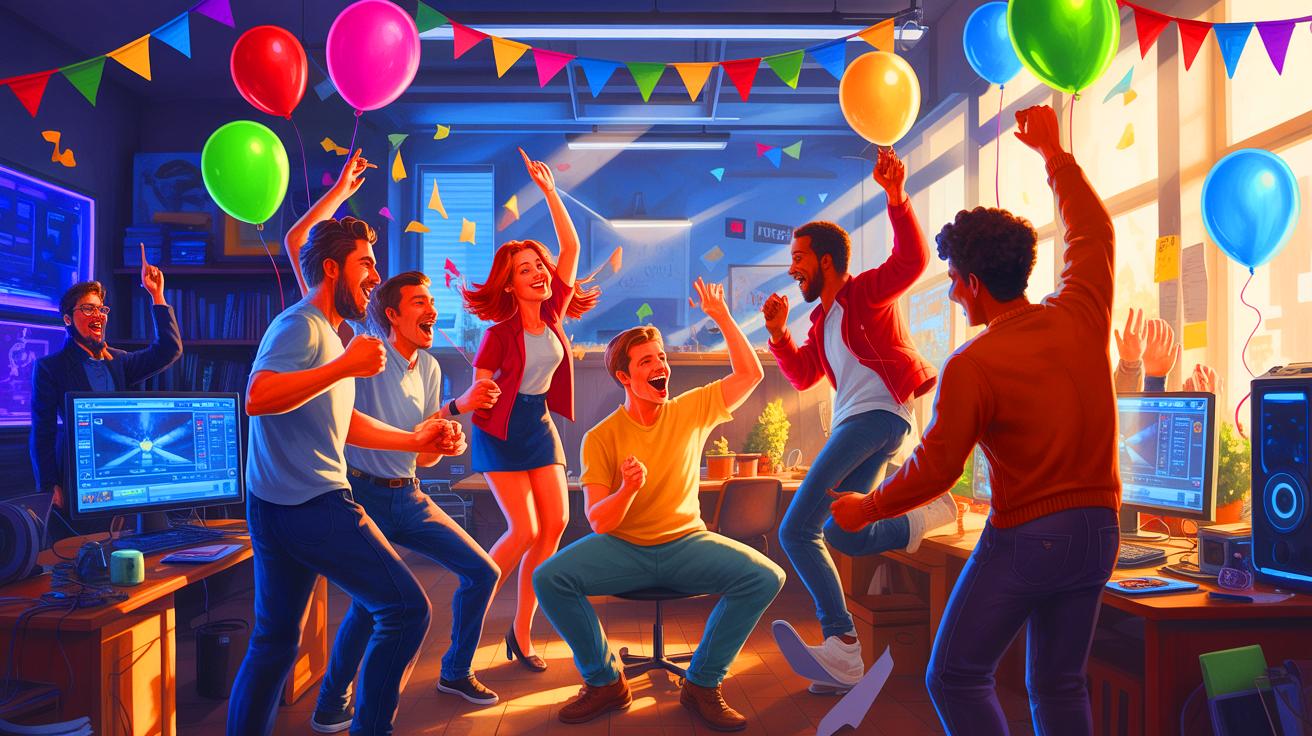
The announcement of GTA 6’s delay was met with relief and celebration at Sucker Punch Productions. Nate Fox, co-creative director of Ghost of Yotei, described the occasion as one that warranted jubilant festivities, complete with an abundance of adult beverages. The atmosphere within the studio transformed overnight. The anticipation that had once been tinged with trepidation now held a sense of newfound optimism.
For Sucker Punch, the delay means more than just a strategic advantage. It provides a wider launch window that is free from the overwhelming shadow of one of the most anticipated games in history. With GTA 6 no longer a direct competitor, Ghost of Yotei has the potential to attract more attention and achieve greater financial success. The gaming industry is well aware of the power that release timing holds, and Sucker Punch is now in a position to capitalize on this opportunity.
The Competitive Landscape of Gaming Releases
In the world of video game development, timing is critical. The release of a major title can dominate industry attention and consumer spending. When two high-profile games are set to launch close to each other, smaller titles often struggle to gain traction. This has been a recurring theme in the industry, and the release of GTA 6 was no exception.
Analysts have long predicted that GTA 6 would overshadow any contemporary releases. The game’s massive budget and Rockstar’s reputation have fueled unprecedented levels of hype. The strategic delay of GTA 6 not only relieves pressure on Ghost of Yotei but also highlights the increasing gap between major titles and smaller studios. As one industry analyst noted, “The winners are winning bigger, and everyone else is scrambling for a smaller piece of the pie.”
Sucker Punch’s Response and Future Prospects
Sucker Punch has expressed gratitude for the breathing room provided by the delay. The studio is now focusing on maximizing the success of Ghost of Yotei. With more time to refine the game and an opening that is freer from competition, Sucker Punch aims to deliver a product that meets high expectations.
The celebration mentioned by Nate Fox underscores the emotional toll that release dates can have on development teams. The delay allows Sucker Punch to shift its focus from market competition to creative excellence. This period of reduced pressure could lead to a more polished final product, enhancing both critical reception and sales performance.
The Broader Implications for the Gaming Industry
The delay of GTA 6 has sparked discussions about the broader implications for the gaming industry. As the landscape evolves, the impact of live-service games and roleplay servers is becoming more pronounced. Titles like Grand Theft Auto 5 continue to thrive, showcasing the longevity and adaptability of successful games.
Industry insiders are keenly observing how this delay will affect market dynamics. The question remains: will other studios adjust their strategies in response to the shifting release schedules of major titles? As the gaming industry grows, so too does the complexity of navigating it. Studios must remain agile and responsive to changes in the competitive landscape.
With the release of Ghost of Yotei now on a clearer path, many are eager to see how Sucker Punch will leverage this opportunity. The gaming community awaits the studio’s next moves with interest. This situation raises a pertinent question: how will other studios adapt to the increasingly competitive and unpredictable world of video game releases?