



“Gamers Have Waited Long Enough”: Ubisoft Confirms That Long-Awaited Prince of Persia Remake Is Finally Arriving Very Soon. Get Ready!
 By
Sanjay Mistry
By
Sanjay Mistry
| IN A NUTSHELL |
|
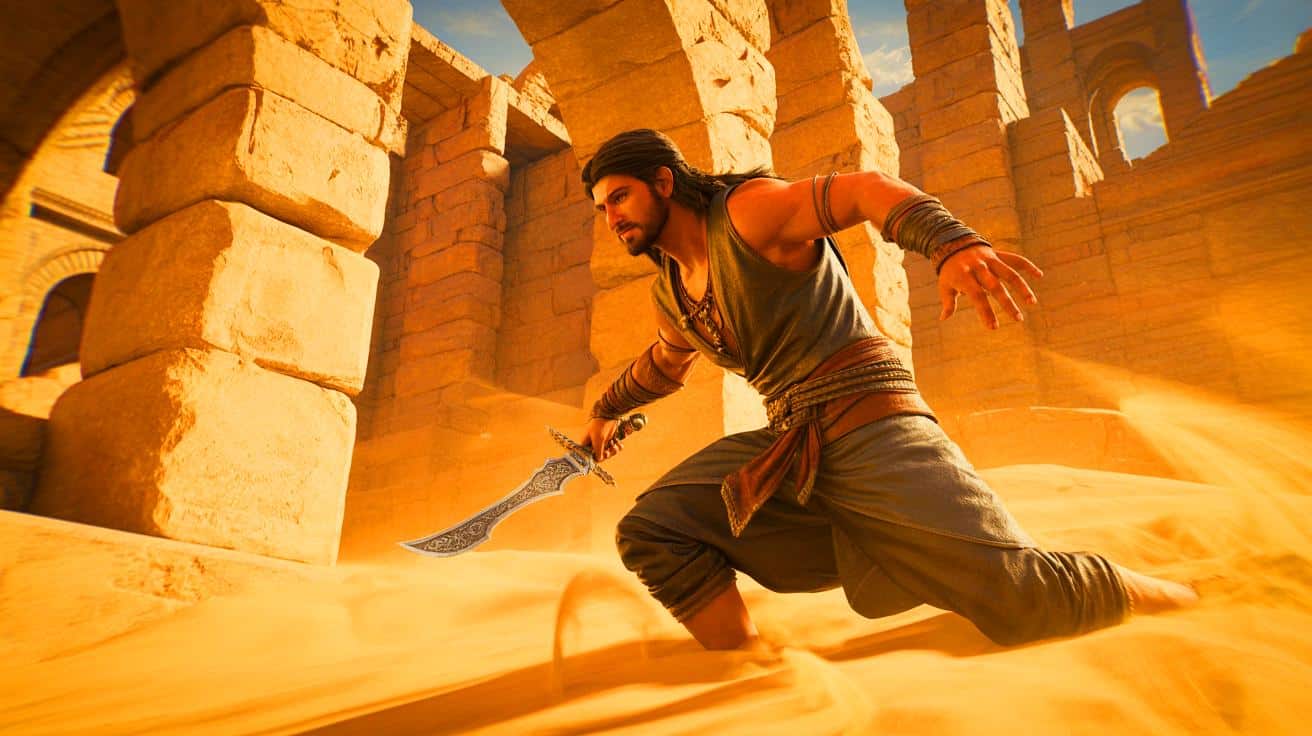
In an era dominated by remakes and reboots, the anticipation surrounding Ubisoft’s Prince of Persia: The Sands of Time is palpable. Originally announced in 2020, the journey of this game has been fraught with delays and uncertainties, leaving fans yearning for its release. With a promise of launching “very soon,” Ubisoft aims to rekindle the magic of this iconic franchise. But what has led to such a prolonged development cycle, and what can players expect from this highly anticipated remake? As we delve into these questions, we explore the intricacies behind its development and the impact it may have upon release.
The Long Wait: A Game Development Odyssey
The announcement of The Sands of Time remake in 2020 brought waves of excitement, yet the subsequent years have been marked by silence and suspense. Initially set for a 2021 release, the project underwent a complete development reboot in 2023. This unexpected turn of events was never officially explained, sparking speculation among dedicated fans. The reboot suggests a significant overhaul, possibly to enhance graphics, gameplay mechanics, or storyline elements, aligning with modern gaming standards.
Ubisoft’s recent statement during its Annual General Meeting with investors brought a glimmer of hope, indicating that the game will be released “very soon.” This declaration, though vague, has reignited interest and speculation. The prolonged development cycle may have allowed the developers to refine the project meticulously, ensuring the remake lives up to the legacy of its predecessor. In an industry where first impressions are crucial, Ubisoft seems committed to delivering a polished product that honors its source material.
Behind the Scenes: Challenges and Triumphs
Developing a remake of a beloved classic is no small feat. Ubisoft’s challenge lay in maintaining the essence of the original while introducing new elements to captivate both old fans and new players. The decision to restart development in 2023 indicates significant challenges, possibly involving technical hurdles or creative differences. However, this decision also reflects Ubisoft’s dedication to quality, a factor that could ultimately work in their favor.
Ubisoft’s Chief Financial Officer, Frederick Duguet, emphasized the importance of leveraging iconic brands with minimal investment. This strategy could mean focusing resources on enhancing core gameplay while utilizing modern technology to revamp graphics. As the game nears completion, the studio’s commitment to ensuring the sands of time “move with purpose” suggests a deep, thoughtful engagement with the game’s mechanics and narrative.
The Bigger Picture: Ubisoft’s Strategic Moves
Ubisoft’s approach to its franchises reflects broader industry trends. The company has been tapping into its catalog to revitalize iconic titles, a strategy underscored by Tencent’s investment into Ubisoft. This has allowed the studio to explore new ventures while maintaining strong ties to its established brands. The Prince of Persia remake, alongside the elusive Splinter Cell project, exemplifies this dual strategy of innovation and preservation.
By potentially reintroducing these classic franchises, Ubisoft is positioning itself to capture a diverse audience. The nostalgia associated with these games, coupled with modern enhancements, aims to attract both longtime fans and newcomers. As the landscape of gaming evolves, Ubisoft’s strategic focus on timeless narratives paired with technological advancements could prove to be a successful formula.
Anticipation and Expectations: What Lies Ahead
With the release of Prince of Persia: The Sands of Time on the horizon, expectations are sky-high. Fans eagerly await to see how Ubisoft has enriched the beloved story and gameplay. The remake promises to offer a fresh yet familiar experience, blending nostalgia with innovation. As anticipation builds, questions linger about how this release will shape the future of remakes in the gaming industry.
Ubisoft’s journey with The Sands of Time remake highlights the complexities of modern game development. The balancing act of honoring a classic while integrating contemporary enhancements is a challenge faced by many developers. As the gaming community awaits the return of the Prince, one wonders: will this remake set a new standard for reviving classic titles, or will it serve as a cautionary tale for future projects?