



“Did They Just Do That?”: Sega’s Bold Statement Challenges Mario Kart Fans (and It’s Sparking Major Debate)
 By
Freya Donnelly
By
Freya Donnelly
| IN A NUTSHELL |
|
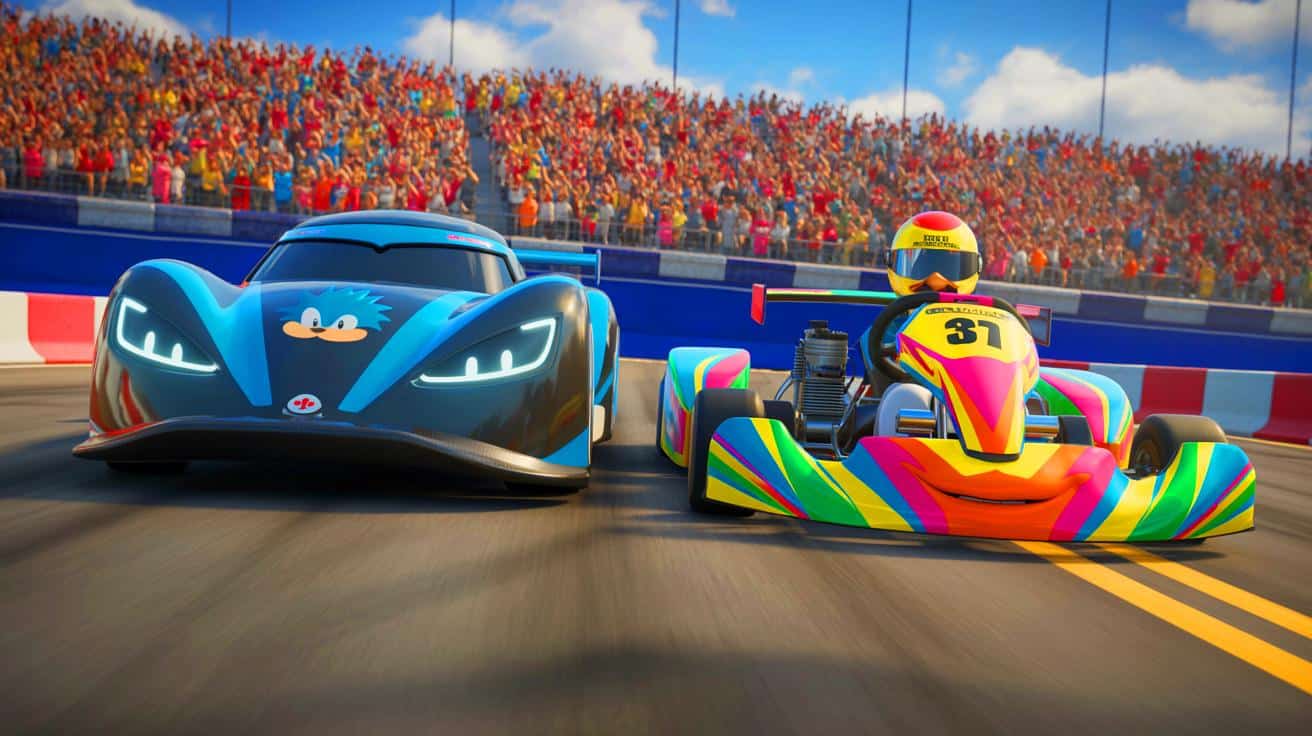
The iconic rivalry between Sega and Nintendo has taken a new turn with the release of their latest racing games. Sega’s “Sonic Racing: CrossWorlds” and Nintendo’s “Mario Kart World” have both entered the gaming scene, reviving the competitive spirit reminiscent of the 1990s console wars. While Nintendo’s Mario Kart series has long been a staple in the racing genre, Sega is positioning its latest release as a contender by emphasizing skill over luck. Through strategic marketing and game design, Sega aims to differentiate itself from its competitor, igniting discussions among gamers and industry experts alike.
The Evolution of a Legendary Rivalry
The rivalry between Sega and Nintendo is one of the most enduring in the gaming world. Originating in the 1990s, this competition defined an era where both companies were at the forefront of innovation and creativity. Sega’s Sonic franchise and Nintendo’s Mario series became household names, each with a loyal fanbase. Over the years, this rivalry evolved, with both companies expanding their portfolios and adapting to changing gaming trends. However, the core of their competition remains rooted in their flagship characters and franchises.
With the launch of “Mario Kart World” alongside the Switch 2, Nintendo has continued to build on its successful formula of fun and accessible gameplay. Meanwhile, Sega’s “Sonic Racing: CrossWorlds” seeks to capture the attention of those looking for a fresh experience. Sega’s approach focuses on rewarding strategic thinking and skillful racing, setting it apart from the more luck-based mechanics often associated with Mario Kart. This evolution in design philosophy highlights the ongoing battle for innovation between the two gaming giants.
Sega’s Strategic Marketing Approach
Sega’s marketing strategy for “Sonic Racing: CrossWorlds” is a throwback to the competitive tactics of the 1990s. By directly challenging Nintendo’s Mario Kart series, Sega aims to carve out a niche for its racing game. A pre-release advertisement encouraged players to “leave the open road behind,” taking a jab at the traditional kart racing experience. This bold marketing move not only draws attention but also revives the nostalgic rivalry that many gamers remember fondly.
Creative Director Masaru Kobayakawa emphasized that Sega’s game design focuses on skill rather than luck. He explained that no item in the game guarantees victory, contrasting it with the luck-based elements present in Mario Kart. This strategic approach appeals to a segment of players who value skillful gameplay. By positioning “Sonic Racing: CrossWorlds” as a game that rewards strategy, Sega hopes to attract both new players and those disillusioned with the randomness of traditional kart racers.
“300 Edits Later”: This Horror Movie’s Ending Will Haunt You (and It’s Already in Your Thoughts)
Game Mechanics and Player Experience
Sega’s emphasis on skill is evident in the mechanics of “Sonic Racing: CrossWorlds.” The game introduces the concept of Travel Rings, which allow the player in first place to influence the race’s progression. This mechanic is designed to offset the disadvantages typically faced by the leading player in item-based racing games. In contrast, Nintendo’s Mario Kart often penalizes the first-place player with targeted attacks from opponents.
Kobayakawa highlighted the importance of balance in game design. The development team, comprising some of Japan’s best racers, conducted extensive testing to ensure fair gameplay. This dedication to balance is a critical aspect of Sega’s approach, aiming to provide a challenging yet rewarding experience. The focus on skill and strategy over luck represents a shift in how racing games can engage players, offering a unique alternative to the established norms in the genre.
The Impact of Gaming Culture
The release of these two racing games not only fuels the rivalry between Sega and Nintendo but also reflects broader trends in gaming culture. There is an ongoing debate within the community about the merits of skill-based versus luck-based gameplay. Sega’s decision to emphasize skill in “Sonic Racing: CrossWorlds” taps into this discussion, potentially influencing future game developments.
As gaming continues to evolve, the preferences and expectations of players play a significant role in shaping the industry. The competition between Sega and Nintendo serves as a microcosm of the dynamic nature of gaming culture. Both companies strive to innovate and cater to their audiences, pushing the boundaries of what is possible in the genre. As players engage with these new releases, the impact of their feedback and experiences will likely inform the next steps for both gaming titans.
As Sega and Nintendo continue their storied rivalry, the gaming community watches with anticipation. The release of “Sonic Racing: CrossWorlds” and “Mario Kart World” has reignited interest in the racing genre, challenging players to consider what they value in a gaming experience. Will skill and strategy redefine the future of racing games, or will the traditional elements of chance and unpredictability prevail? The answer may shape the next chapter in this legendary competition.