


“Chaos Unleashed in the Gaming World”: New Battle Erupts as Developers Break Free from Old Constraints
 By
Josh Whitaker
By
Josh Whitaker
| IN A NUTSHELL |
|
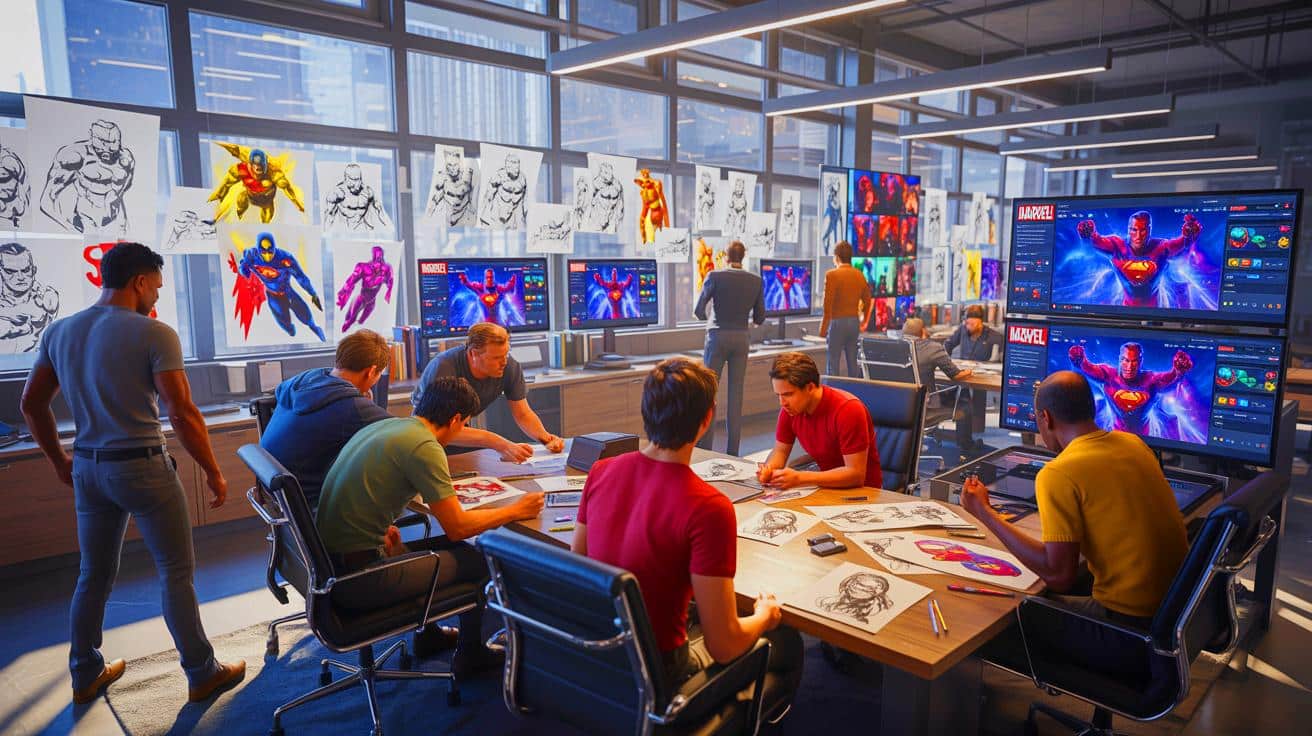
NetEase, the developer behind Marvel Rivals, has recently been granted permission to create original characters within the Marvel universe. This move is significant, considering the rich tapestry of existing characters that Marvel offers. The decision has sparked interest and speculation among fans and industry insiders alike as it opens up new avenues for storytelling and game development. While some may view this as a mere expansion of creative freedom, others see it as a potential turning point in how Marvel properties are managed and expanded in digital formats.
Expanding the Marvel Universe
The Marvel universe is renowned for its extensive catalog of characters, developed over decades of comic book history. With the integration of original characters, NetEase has the opportunity to contribute to this legacy by introducing new heroes and villains. This initiative allows for fresh narratives and character dynamics, broadening the scope of the Marvel universe in ways that could engage both long-time fans and newcomers.
Creating original characters offers developers a rare chance to explore themes and scenarios not already covered by existing Marvel storylines. It enables them to address contemporary issues and incorporate diverse cultural perspectives. This approach not only enriches the game but also aligns with Marvel’s ongoing efforts to reflect a more inclusive world.
However, the introduction of new characters also poses challenges. Developers must balance innovation with respect for the established lore. Fans of the franchise expect new characters to fit seamlessly into the universe they know and love. Thus, NetEase faces the task of ensuring that these additions are compelling and authentic to the Marvel ethos.
Fan Engagement and Feedback
NetEase’s decision to introduce original characters is influenced significantly by fan feedback. In the gaming industry, player engagement is crucial, and Marvel Rivals is no exception. The developers have been actively listening to the community, gathering insights on what players desire in terms of characters and gameplay. This feedback loop is essential in shaping the development process and ensuring that the game evolves in a way that resonates with its audience.
By incorporating player suggestions, NetEase aims to create a more interactive experience. This approach fosters a sense of ownership among players, as their voices contribute to the game’s evolution. It also builds a stronger community around the game, encouraging players to engage more deeply with the content and with each other.
Moreover, fan feedback helps developers identify areas for improvement. For instance, the team is currently addressing the overabundance of DPS characters, a common critique from players. This responsiveness not only improves the game but also reinforces the developers’ commitment to delivering a satisfying gaming experience.
The Intricacies of Character Development
Developing original characters for a universe as established as Marvel’s involves intricate planning and creativity. Each new character must have a compelling backstory, unique abilities, and a role that complements the existing cast. This complexity requires developers to work closely with Marvel to ensure consistency and coherence.
NetEase’s creative director, Guangyun Chen, known as Guangguang, has expressed confidence in the team’s ability to craft original characters. Drawing inspiration from both Marvel’s extensive history and contemporary storytelling techniques, the team is poised to introduce characters that are both innovative and true to the Marvel spirit.
One example of successful character integration is Luna Snow, a character created by Netmarble for Marvel Future Fight, who has since appeared in Marvel comics. This precedent highlights the potential for original characters to transcend their initial platform and become part of the broader Marvel narrative.
Future Prospects and Speculations
With the announcement of original characters in Marvel Rivals, speculation about future developments is rampant. Fans are eager to see how these characters will be integrated into the game and what stories they will bring. The potential for crossover into other Marvel media, such as comics or films, adds another layer of excitement.
The timeline for introducing these characters remains uncertain, though Guangguang has hinted at ongoing developments. This anticipation keeps the community engaged, as players speculate on what new elements will be introduced to the game. The possibility of new characters also opens up discussions about future updates and expansions, keeping the game relevant and dynamic.
Ultimately, the inclusion of original characters in Marvel Rivals signals a new chapter for both the game and the Marvel universe. It represents a blend of tradition and innovation, offering fresh content while respecting the franchise’s storied history.
As NetEase ventures into uncharted territory with Marvel Rivals, one must wonder how the introduction of original characters will influence the broader gaming landscape. Will other developers follow suit, and how will this trend impact the future of franchised games?