



Capcom Sparks Outrage With $75 Monster Hunter Wilds Soundtrack on Steam That Critics Say Is “So Bad It Feels Like a Mistake”
 By
Josh Whitaker
By
Josh Whitaker
| IN A NUTSHELL |
|
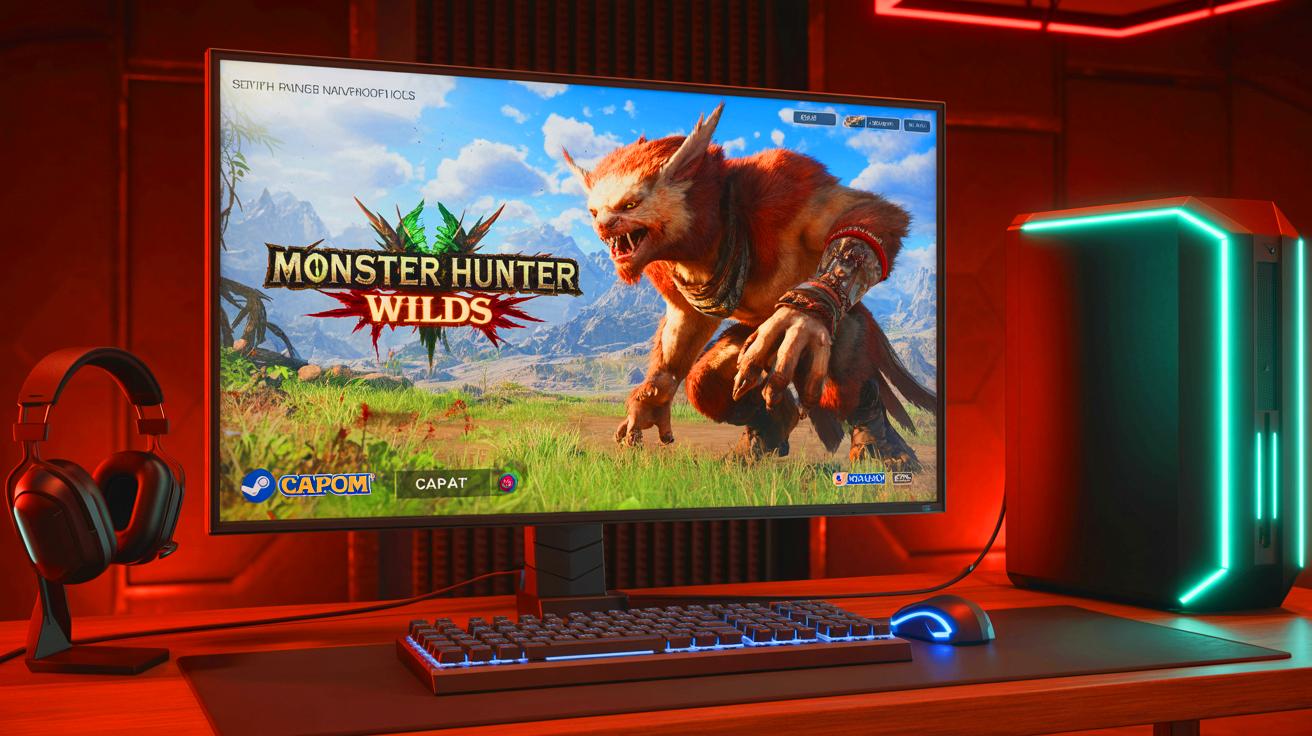
Capcom’s recent decision to release the Monster Hunter Wilds digital soundtrack has sparked a wave of criticism and disappointment among fans. The soundtrack, priced at $75 on Steam, offers only MP3 files with no physical copies or higher-quality audio formats. This has left many players questioning the value of the purchase. Despite the inclusion of 126 tracks, fans expected more for the steep price. The release comes amid ongoing challenges for the game, including declining sales and technical issues that have affected its reputation.
Monster Hunter Wilds Soundtrack: A Controversial Offering
Monster Hunter Wilds, since its February launch, has captivated millions of players worldwide. The game’s dynamic universe and thrilling adventures have kept fans engaged. However, the recent release of its digital soundtrack has introduced an unexpected controversy. Priced at $75, the soundtrack is available only in MP3 format. This decision by Capcom has been met with backlash as fans expected a variety of formats, including lossless options or physical copies. The steep price point for MP3 files alone is perceived as excessive, especially when compared to industry standards.
The 126-track soundtrack spans over seven discs, promising a comprehensive auditory experience. Yet, fans feel that the price does not justify the limited format. Many players argue that the absence of physical copies or higher-quality audio options undermines the value of the collection. This controversy underscores a broader conversation about consumer expectations for digital content in the gaming industry.
Sales Decline Amidst Technical Challenges
Compounding the issues surrounding the soundtrack release, Monster Hunter Wilds has faced significant challenges in maintaining its player base. Initially achieving impressive sales of 10 million copies in its first month, the game’s momentum has waned. In the following months, sales dropped to under 500,000, marking a stark contrast to its initial success. This decline is attributed to persistent technical issues, particularly with the PC port. Players have reported ongoing performance problems that have hindered their gaming experience.
These technical setbacks have impacted the game’s reputation, as evidenced by the decline in recent Steam reviews to a ‘Mostly Negative’ rating. Players express frustration over persistent bugs and performance issues, which detract from the overall enjoyment of the game. The combination of technical challenges and the controversial soundtrack release has posed significant hurdles for Capcom in maintaining a positive relationship with its player base.
Community Backlash and Fan Reactions
The response from the Monster Hunter Wilds community has been vocal and critical. Steam reviews for the soundtrack have been overwhelmingly negative, with players expressing discontent over the pricing and format. One reviewer highlighted the absurdity of the price for MP3 files, calling it a desperate move by Capcom. Another reviewer noted issues with the soundtrack’s compatibility on iTunes, further adding to the dissatisfaction.
These responses reflect a broader sense of frustration among fans who feel that Capcom has missed an opportunity to capitalize on the game’s success. Many players believe that offering the soundtrack on physical media, such as CDs or vinyl, could have been a lucrative venture. The dedicated fan base would likely have embraced such offerings, potentially turning the soundtrack into a collector’s item. However, the current approach has left fans feeling disappointed and undervalued.
Capcom’s Response and Future Prospects
In light of the backlash, Capcom has yet to issue a formal response addressing the concerns surrounding the soundtrack release. Instead, the company has continued to focus on addressing the technical issues plaguing Monster Hunter Wilds. Recent updates have aimed to resolve some of the performance problems, but players remain skeptical about the game’s future.
As Capcom navigates these challenges, the company’s ability to engage with its community and address fan concerns will be crucial. The gaming industry is highly competitive, and maintaining player trust is essential for long-term success. Moving forward, Capcom’s strategy in handling both the soundtrack controversy and the game’s technical issues will play a significant role in shaping its relationship with the Monster Hunter Wilds community.
The situation with Monster Hunter Wilds highlights the complexities of managing digital content and community expectations in the gaming industry. As Capcom works to address these challenges, the question remains: how can game developers balance profitability with player satisfaction in an increasingly demanding market?