

Behind the scenes: how series are made
 By
Freya Donnelly
By
Freya Donnelly
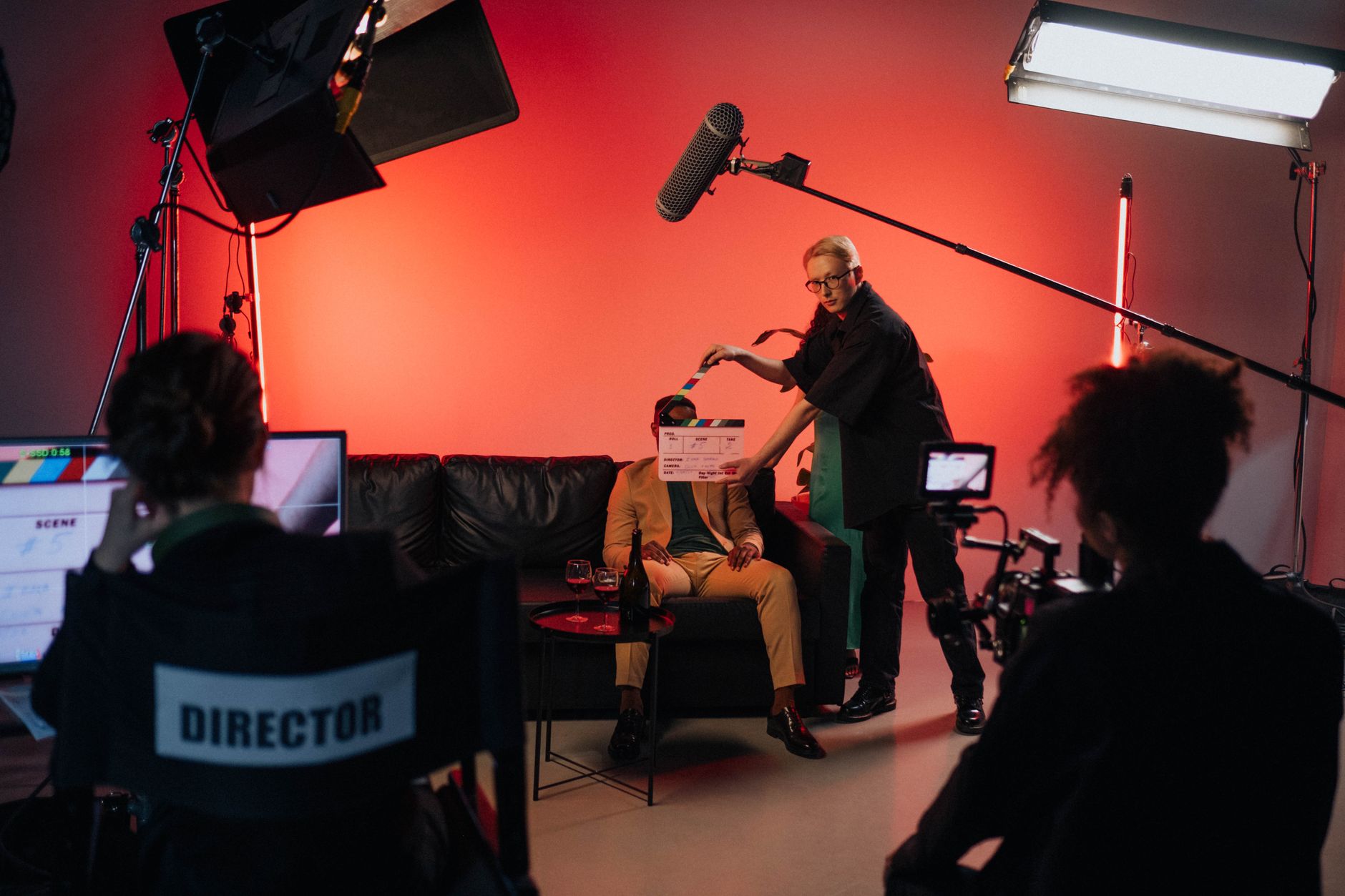
Creating a television series is a captivating journey that unfolds beyond the screen. It’s a complex, collaborative art that transforms imaginative scripts into compelling narratives watched by millions on platforms like Netflix, Hulu, and Amazon Prime Video. Each episode is the culmination of countless hours devoted by writers, producers, actors, and a vast crew working tirelessly behind the scenes. From the first spark of an idea in a writers’ room to the seamless integration of state-of-the-art visual effects by leading studios, the process is filled with innovation and precision. As streaming giants like Disney+ and HBO compete for viewer attention, mastering the production pipeline has become essential to delivering high-quality content swiftly and cost-effectively. Understanding the intricate stages, from development to post-production and distribution, reveals the hidden mechanics that bring your favorite series to life. Let’s dive into the world behind the camera and explore how modern television shows are crafted in today’s entertainment landscape.
Unveiling the TV Production Process: From Concept to Screen
Every series you watch on platforms such as FX Networks, BBC, or Apple TV+ begins with a well-orchestrated production process. This journey is segmented into five fundamental phases that shape the final product:
- Development: Generating ideas, writing scripts, budgeting, and securing funding.
- Pre-production: Casting actors, scouting locations, and assembling the crew.
- Production: Filming the scenes with meticulous attention to detail in lighting and camera work.
- Post-production: Editing footage, adding sound design, and incorporating visual effects (VFX) and special effects (SFX).
- Distribution: Marketing and delivering the series across various networks and streaming services.
Vitrina plays a pivotal role by connecting content creators with verified service providers worldwide, facilitating smooth progress through each stage regardless of geographical boundaries.
Crafting the Narrative: The Development Phase
The inception of any successful TV series lies in its script. Writers, often collaborating in teams, refine characters and plotlines to shape captivating stories. This phase is critical as it determines the project’s viability in securing financing.
- Scriptwriting: Establishes the series’ tone and character arcs.
- Budgeting: Outlining financial needs aligning with creative ambitions.
- Financing: Engaging investors or network backing to greenlight production.
Offering scriptwriting and budgeting expertise can attract production companies seeking to innovate, while buyers can leverage platforms like Vitrina to connect with emerging talents and financiers.
Pre-production Essentials: Setting the Stage
With the script approved, the spotlight turns to assembling the cast and crew. Casting directors ensure actors selected embody the essence of their roles while location scouts find ideal settings that enhance narrative authenticity.
- Casting: Auditions aimed at finding chemistry and fitting performances.
- Location Scouting: Identifying environments that complement storytelling.
- Crew Recruitment: Hiring key personnel, from cinematographers to lighting technicians.
- Studio Booking: Reserving space tailored for controlled filming conditions.
Efficient pre-production sets a solid foundation for smooth filming and translates directly into production quality and timelines.
The Production Phase: Bringing Stories to Life
Filming is a symphony of coordination where directors, actors, and crew collaborate closely. Each shot demands precision and adaptability, especially when unexpected challenges such as weather or equipment issues arise.
- On-set Management: Orchestrating scenes and ensuring continuity.
- Technical Execution: Employing cutting-edge cameras and lighting for visual impact.
- Actor Performance: Capturing authentic emotions that resonate with viewers.
Production services thrive here, providing expertise that guarantees the clarity and emotion needed to captivate audiences on major networks and streaming platforms.
The Art of Post-production: Enhancing Every Frame
Once filming concludes, the meticulous task of editing begins. Editors weave footage into compelling narratives, while sound designers elevate atmospheres and dialogue clarity. Visual effects artists utilize digital tools to create scenes impossible to capture in reality.
- Editing: Crafting pace, tone, and structure for immersive storytelling.
- Sound Design: Balancing music, dialogue, and soundscapes.
- Visual Effects: Adding digital enhancements to achieve breathtaking visuals.
- Special Effects: Incorporating practical effects such as explosions or weather elements.
Leading studios associated with Warner Bros., Sony Pictures, and others rely heavily on top-tier VFX teams, and platforms like Vitrina help connect providers with these high-stakes projects, ensuring every series they touch is visually stunning.
Distribution Dynamics: Reaching Global Audiences
The final phase ensures the series finds its audience through strategic partnerships and distribution channels. Services like Netflix, Hulu, and Disney+ compete globally, demanding content that captivates diverse demographics.
- Marketing Campaigns: Engaging trailers and promotions build anticipation.
- Network Collaborations: Aligning with broadcasters such as HBO or BBC for international reach.
- Platform Distribution: Leveraging streaming giants for maximum visibility and accessibility.
A seamless distribution plan not only boosts viewership but also strengthens a series’ cultural footprint worldwide.
Innovations Shaping the Future of Series Production
The TV industry continuously evolves with technology revolutionizing storytelling. Notably, AI applications and virtual production techniques allow creators to visualize scenes digitally, reducing costs and expanding creative boundaries.
- AI Integration: Speeds up script analysis and editing workflows.
- Virtual Production: Utilizes LED volumes for immersive, real-time backgrounds replacing traditional sets.
- Cloud Collaboration: Enables remote work, connecting global talent pools.
These advancements empower networks and studios, including FX Networks, Apple TV+, and others, to deliver innovative content that keeps viewers hooked in an increasingly competitive marketplace.
From conception to distribution, the making of a TV series is a testament to creative synergy and technological prowess. Platforms like Vitrina remain indispensable in facilitating connections among creators, vendors, and distributors, helping to usher in the next generation of unforgettable storytelling.
Continue reading