



Battlefield 6 Recoil Controversy Ignites as Gamer Claims “It’s a Tactical Nightmare” Sparking National Debate on Realism
 By
Sanjay Mistry
By
Sanjay Mistry
| IN A NUTSHELL |
|
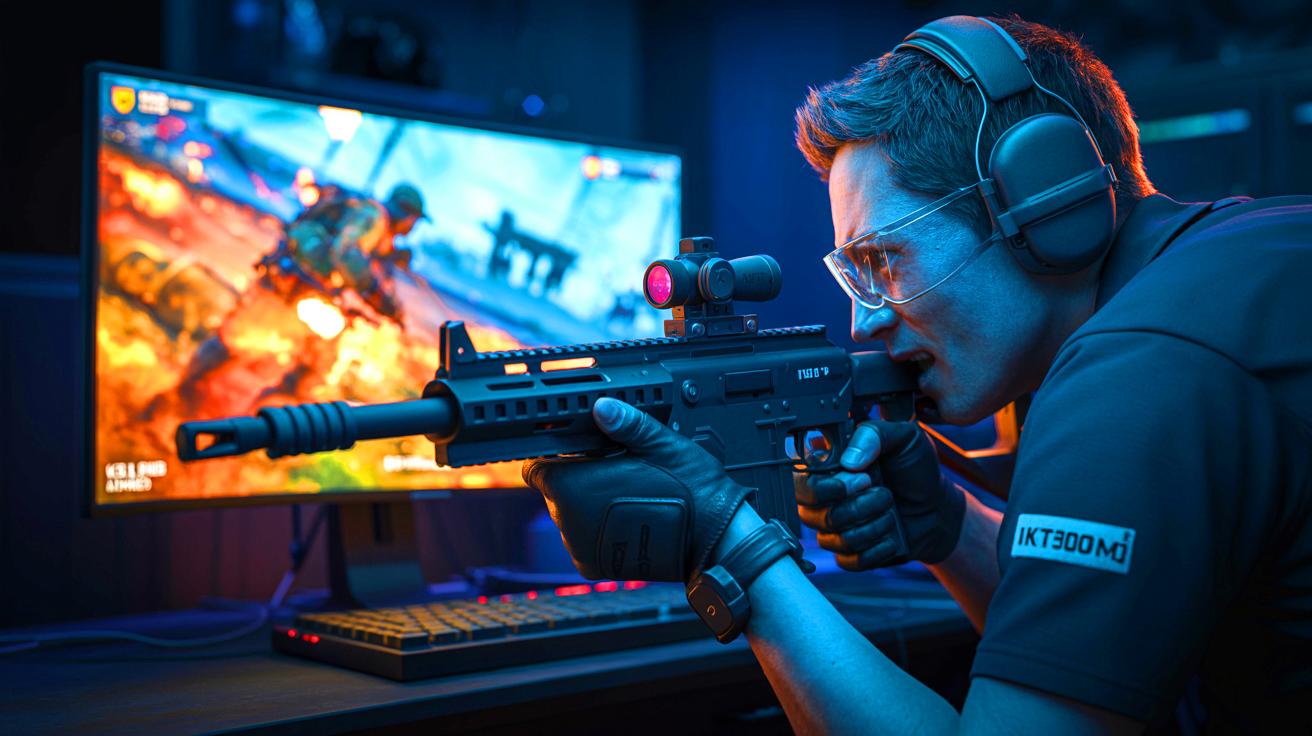
As the anticipation for the release of Battlefield 6 builds, a recent controversy has emerged that has caught the attention of gamers and critics alike. At the center of the debate is the KTS100 LMG, a weapon that some claim exhibits “zero recoil” in the game. This has sparked discussions about realism and balance in video games, a topic that has long been debated in the gaming community. The uproar began with a viral video shared by streamer Optic Scump, showcasing the weapon’s performance, and has since led to heated conversations about the developers’ intentions and the implications for gameplay.
The Controversy Over Realism in Video Games
The debate surrounding the KTS100 LMG in Battlefield 6 highlights a longstanding issue in the gaming industry: the balance between realism and gameplay. In this instance, the weapon in question is based on the real-life Ultimax-100, known for its low recoil. This raises questions about how much realism should factor into virtual environments. For some players, the appeal of video games lies in their ability to mimic real-world physics and behaviors. Others argue that excessive realism can detract from the fun and flexibility that games offer.
The challenge for developers is to create an experience that satisfies both camps. While the accuracy of a weapon’s behavior can enhance immersion, it can also disrupt game balance if not carefully managed. The uproar over the KTS100 LMG serves as a reminder of the delicate line developers walk when designing features that are both authentic and enjoyable. This situation also underscores the importance of community feedback in shaping the evolution of games.
Balancing Gameplay and Player Expectations
One of the core challenges in game development is managing player expectations while maintaining a balanced and fair gameplay environment. In the case of Battlefield 6, the perception of the KTS100 LMG as overpowered has led to calls for adjustments, despite its basis in real-world mechanics. This situation illustrates how player communities can influence a game’s development and the importance of responsive developers.
Players often have strong opinions about what constitutes fair play, and these opinions can vary widely. Some players prioritize competitive fairness, while others prioritize narrative and realism. Developers must navigate these diverse expectations while ensuring the game remains accessible and enjoyable for the widest audience possible. The controversy around the KTS100 LMG serves as a case study in how developers must balance these competing demands.
The Role of Community Feedback in Game Development
Community feedback has become an integral part of game development, particularly for large-scale online games like Battlefield 6. Players are not just consumers but active participants in the game’s evolution. This feedback loop can lead to significant changes in gameplay mechanics, as developers strive to address community concerns while staying true to their vision.
The reaction to the KTS100 LMG highlights the power of community voices in shaping the direction of a game. Developers often rely on feedback from beta tests and early access to identify potential issues and make necessary adjustments. This collaborative process can lead to a more polished and satisfying final product. However, it also requires developers to filter through a wide range of opinions and prioritize changes that align with their overall goals for the game.
Looking Ahead: The Future of Battlefield 6
As Battlefield 6 approaches its official release, the discussions around the KTS100 LMG are likely to continue. The game’s developers will need to carefully consider the feedback from the gaming community and decide how best to address concerns about balance and realism. This process will be crucial in ensuring the game’s success and maintaining player satisfaction.
The controversy also raises broader questions about the role of realism in video games and how developers can create immersive experiences without compromising enjoyment. As the gaming industry continues to evolve, these discussions will remain relevant. How will developers strike the right balance between realism and fun in future games, and what role will players play in shaping these decisions?