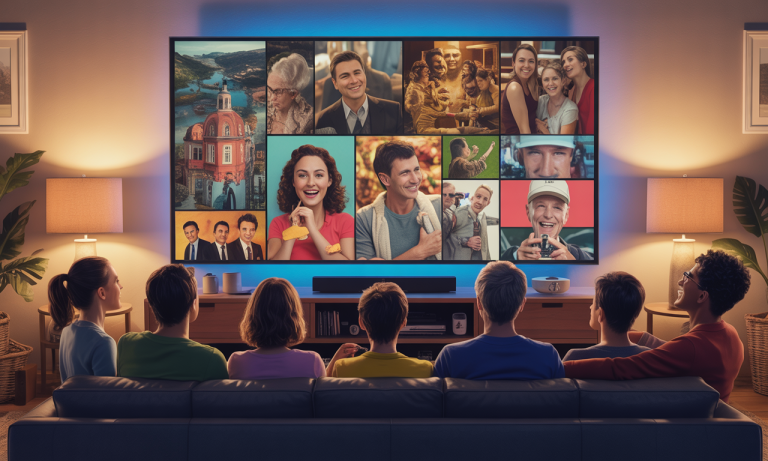





Television consumption has undergone a profound transformation over the last few decades, shifting from shared, scheduled broadcasts to personalized on-demand streaming. Once audiences eagerly awaited weekly episodes, gathering around their TVs in unison, but the rise of digital platforms like Netflix, Hulu, and Amazon Prime Video has ushered in the era of binge-watching. This change not only altered viewing habits but also reshaped storytelling techniques and production strategies. Recently, we observe a nuanced shift as platforms experiment with hybrid release models, blending the immediacy of binge-watching with the anticipation fostered by weekly episode drops. This article delves into the rich history of TV viewing, charting the evolution from communal week-by-week episodes to the current landscape where binge-watching coexists with staggered, episodic releases on services like Disney+, HBO Max, Apple TV+, and others.
From Scheduled Broadcasts to the Dawn of Binge-Watching Culture
In TV’s early days, broadcast networks such as NBC, CBS, and ABC governed viewers’ schedules, delivering programs at fixed times. Appointments with shows like “Friends” or “Buffy the Vampire Slayer” created shared cultural moments, with families and friends discussing the latest episode the next day. However, this rigidity limited viewer control.
- Broadcast TV relied on appointment viewing, causing simultaneous mass audiences.
- Content was structured for weekly consumption, establishing pacing and suspense.
- Cable expansions introduced niche channels like MTV and HBO, pioneering more diverse programming.
The late 1990s marked a turning point with the widespread availability of DVD box sets. Fans could now watch entire seasons at their own pace, a pivotal moment that planted the seeds of binge-watching culture. The availability of series such as “The Sopranos” and “The X-Files” in box set format enabled audiences to dive deep into complex narratives without waiting for weekly schedules, turning a solitary act into a social pastime among friends.
The Impact of DVD Box Sets on Viewing Habits
DVD box sets revolutionized TV consumption by:
- Offering complete seasons, enabling story immersion without interruption.
- Facilitating a social experience, as sets were shared and recommended among peers.
- Allowing viewers to control pacing, accelerating the move away from time-based viewing.
This shift laid the groundwork for the streaming revolution, where immediacy became king.
Streaming Emerges: Redefining Access and Consumption Patterns
The mid-2000s introduction of digital streaming platforms like YouTube and Netflix transformed how audiences accessed content. Netflix’s transition from a DVD rental service to on-demand streaming heralded a new era in 2007, breaking the chains of physical media and broadcast schedules.
In 2013, Netflix’s release of the entire first season of “House of Cards” was instrumental in cementing binge-watching into mainstream culture. Viewers were encouraged to watch multiple episodes consecutively, a strategy that proved highly engaging and commercially successful. This innovation pushed other platforms, including Hulu, Disney+, HBO Max, Apple TV+, Paramount+, Peacock, and BBC iPlayer, to develop original content tailored for binge consumption.
Characteristics of Streaming’s Binge-Worthy Content
Streaming services have adopted storytelling techniques and release strategies that:
- Emphasize continuous narrative arcs designed to motivate episode-after-episode viewing.
- Utilize cliffhangers to maintain heightened viewer interest and anticipation.
- Leverage data analytics to tailor content to viewer preferences and viewing habits.
These elements collectively deepen immersion, changing the relationship between audiences and stories.
Hybrid Release Models: Balancing Binge-Watching and Weekly Episodes in 2025
While binge-watching remains prevalent, the streaming landscape in 2025 reveals growing experimentation with hybrid release schedules. Services such as Netflix and Hulu occasionally opt for weekly or periodic episode drops to sustain prolonged engagement and cultural relevance.
This approach leverages the strengths of both models:
- Immediate gratification: Full-season drops cater to viewers who prefer immersive, marathon sessions.
- Extended conversations: Weekly releases allow narratives to unfold gradually, fueling ongoing discussions on social media and in fan communities.
- Marketing advantages: Staggered releases help platforms maintain subscriber interest over a longer period and maximize buzz.
Statistics from 2023 illustrate this trend: among the 100 most in-demand U.S. TV series, 75 employed weekly releases, 16 utilized periodic releases with initial multiple episodes, and 9 debuted entire seasons for binge viewing.
Viewer Behavior and Industry Response to Release Models
Viewer preferences vary, and streaming services strategically choose release formats based on show genre and audience targeting. For example:
- High-drama and thriller genres often benefit from weekly suspense-building.
- Comedy and light-hearted series may perform better with binge releases, catering to fans eager for uninterrupted laughter.
- Family-oriented content sometimes uses hybrid models to accommodate various viewing habits.
Content creators now craft stories with flexible pacing to adapt to the intended release strategy, ensuring narrative hooks regardless of consumption speed. This nuanced approach reflects a maturing industry tuned to diverse viewer expectations.
The Social and Cultural Implications of Evolving TV Release Strategies
The transition from weekly broadcasts to binge-watching and hybrid models has reshaped not only viewing practices but also social interactions. While binge-watching promotes immediate immersion, it risks fleeting cultural impact as shows rapidly fade from the public eye. Conversely, weekly releases foster sustained dialogues and cultural touchstones.
Platforms like Disney+ and HBO Max support social engagement through integrated features such as watch parties and real-time chats, blending community with convenience. Moreover, the rise of social media amplifies the shared experience around staggered releases, making episodes events rather than just content.
Key Trends Shaping the Future of TV Viewing
- Continued experimentation with release schedules by Netflix, Apple TV+, and Paramount+ to optimize engagement.
- Integration of AI-driven personalized recommendations to guide binge vs. weekly consumption choices.
- Growth of interactive and immersive formats utilizing 5G and virtual reality to engage viewers in novel ways.
Ultimately, the evolution of TV shows from pure binge-watching to a blend of episodic and on-demand strategies illustrates an industry attuned to a complex array of viewer needs and cultural dynamics. This ongoing adjustment ensures that television remains a dynamic and integral part of modern entertainment.