



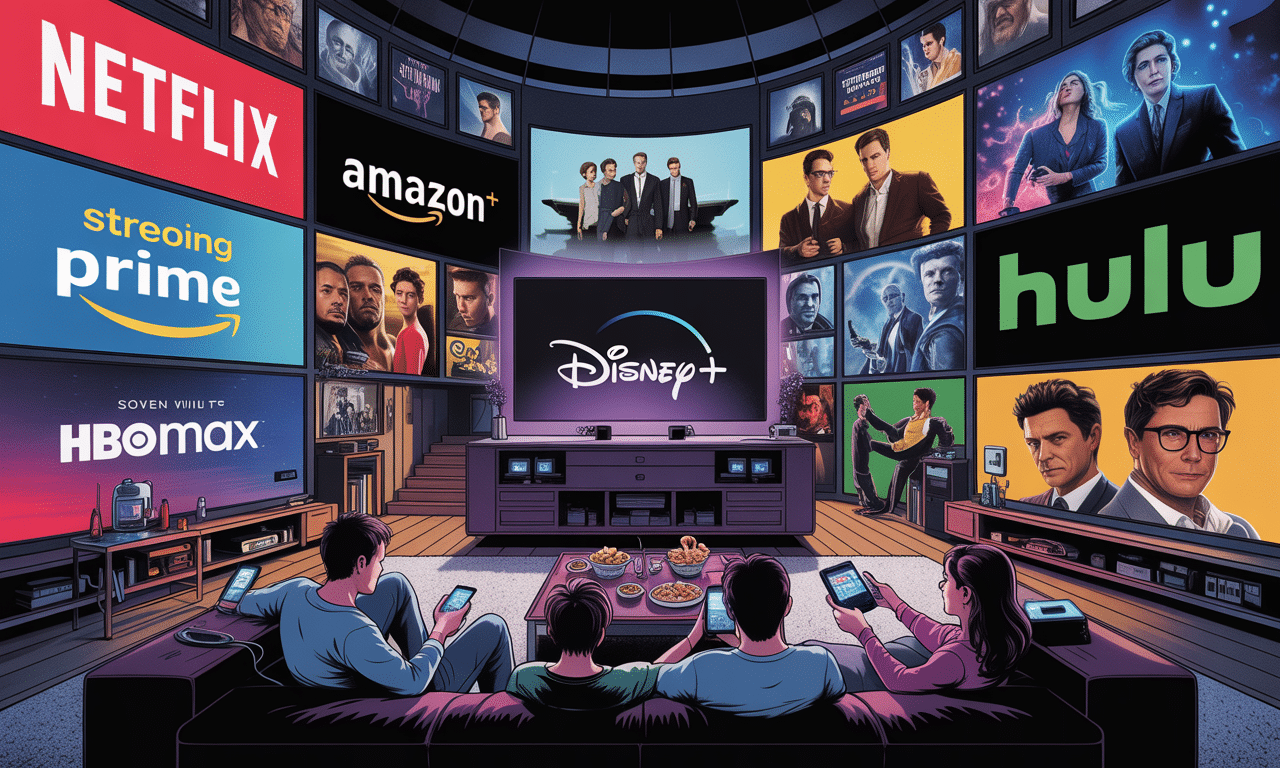
As entertainment continues its digital metamorphosis, the streaming wars have intensified like never before. High-speed internet and connected devices have shifted viewers’ habits, replacing traditional cable with on-demand platforms. Giants such as Netflix, Disney+, Amazon Prime Video, and others now compete in a sprawling arena where content quality, pricing, and technological innovation dictate success. In 2025, with over 200 services cluttering the market and global revenues soaring past $165 billion, consumers face a paradox of choice and subscription fatigue. This fierce competition has led platforms to pursue exclusive franchises, original programming, and seamless user experiences. But amidst this complex landscape, which service truly holds the crown? Delving into subscriber bases, unique offerings, and evolving strategies offers a revealing glimpse of who might reign supreme in the ongoing streaming wars.
Key Players in the 2025 Streaming Landscape: Who Leads the Charge?
The war for streaming supremacy is primarily shaped by a handful of dominant platforms, each carving out a distinctive niche in a saturated market. Understanding their strengths helps decode the broader industry dynamics.
- Netflix: Commanding a vast global audience with over 300 million subscribers, Netflix’s extensive library boasts hits like Stranger Things and Wednesday. Its strategy blends original global content, niche genres, and even sports programming through WWE’s Raw, allowing it to maintain an influential foothold despite recent price increases.
- Disney+: Leveraging powerhouse franchises such as Marvel, Star Wars, and Pixar, Disney+ appeals primarily to families. Its integration with Hulu and ESPN+ in bundled offerings enhances its value proposition, though the growing trend toward broader general entertainment is testing its traditional niche dominance.
- Amazon Prime Video: With approximately 230 million subscribers, Prime Video is notable for combining its extensive licensed content with big-budget originals like The Boys. Its integration with Amazon’s e-commerce ecosystem adds convenience and affordability, though a sometimes cluttered interface may diminish user satisfaction.
- Max (formerly HBO Max): Held in high regard for quality over quantity, Max delivers critically acclaimed originals such as The White Lotus and House of the Dragon, coupled with Discovery’s unscripted content. Emphasizing a robust library and live sports offerings, Max attracts audiences seeking prestige content despite a smaller catalog than some rivals.
- Hulu: Known for next-day streaming of network TV shows and originals like The Bear, Hulu solidifies its position with a Disney+ bundle but faces challenges due to pricing perceptions and limited cultural impact compared to Netflix or Max.
- Apple TV+: Targeting a boutique audience with premium original series such as Severance and Ted Lasso, Apple TV+ offers an ad-free, cinematic streaming experience. However, its limited content catalog limits its reach as a primary entertainment source.
- Niche Players (Peacock and Paramount+): These platforms serve specialized content markets with affordable ad-supported and ad-free tiers. Peacock excels with live sports and iconic shows like The Office, while Paramount+ focuses on franchises including Star Trek. Though valuable supplements, they lack mass-market dominance.
This diverse ecosystem reflects varied consumer preferences and highlights that no single service dominates all fronts.
Content and Innovation: The Arsenal for Streaming Supremacy
In the streaming wars, content quality and innovation fuel subscriber attraction and retention. Platforms vie relentlessly to deliver exclusive, binge-worthy programming supported by intelligent user experiences.
- Original Productions: Heavy investments in original series and films define each service’s identity. Netflix’s globally popular originals often set industry trends, while Max’s prestige dramas emphasize critical acclaim.
- Exclusive Franchises: Disney+ thrives by capitalizing on beloved IPs like Marvel and Star Wars, creating new series that anchor subscriber loyalty.
- Technological Innovation: Personalized recommendations powered by AI algorithms, ad-supported subscription tiers to combat fatigue, and interactive content features enhance engagement. Netflix’s weekly release schedules and targeted suggestions keep the platform dynamic and user-focused.
- Sporting Content: Integration of sports programming, such as WWE on Netflix and live sports on Max and Peacock, adds variety and appeals to underserved audience segments.
This multifaceted approach allows services to differentiate themselves amid fierce competition, offering consumers tailored experiences that extend beyond traditional viewing.
Challenges Shaping Consumer Choices in a Fragmented Market
Despite the abundance of options, several obstacles complicate the streaming experience for users, influencing how platforms strategize their offerings.
- Subscription Fatigue: The proliferation of over 200 streaming services has led to churn and increased cancellations, as consumers hesitate to maintain multiple subscriptions.
- Fragmented Content Accessibility: Exclusive licensing deals often require consumers to subscribe to multiple services to access desired shows and movies, creating frustration and raising costs.
- Market Saturation: As platforms battle for a finite pool of subscribers, innovation and pricing become critical to retain audiences without sacrificing profitability.
- Global Adaptability: International expansion demands content catalog adaptations and regional strategies, complicating the competitive landscape.
Addressing these issues is central to sustaining subscriber bases and shaping future consumption models.
Strategic Consolidation and the Future Trajectory of Streaming Services
To counter subscription fatigue and improve user retention, streaming platforms increasingly pursue bundling and consolidation, reshaping the ecosystem’s structure.
- Bundling Initiatives: Services like Disney+ integrate with Hulu and ESPN+, offering bundles such as the $11 Duo Basic plan to enhance value and reduce churn.
- Ad-Supported Models: Most platforms have introduced lower-cost, ad-supported tiers, expanding accessibility to price-sensitive viewers, exemplified by Netflix’s $8 ad-based plan.
- Technological Enhancements: Features like unified interfaces, offline viewing, and live TV extensions improve convenience and combat subscriber fatigue.
- Mergers and Partnerships: Traditional pay-TV providers adapt by creating streaming hubs, such as Xfinity’s StreamSaver, offering bundled access to multiple streaming services under a single umbrella.
These trends point toward a future where convenience, cost-effectiveness, and diverse content delivery modes converge to define consumer loyalty.
Choosing the Streaming Champion: Factors to Consider in 2025
Ultimately, determining which streaming platform reigns supreme in 2025 depends on individual preferences and priorities. Here are key considerations:
- Content Variety vs. Quality: Netflix dominates in sheer volume and global range, while Max appeals to viewers prioritizing high-caliber productions.
- Family-Friendly Content: Disney+ remains the top choice for households, especially with its well-known franchises and robust bundles.
- Pricing and Accessibility: Amazon Prime Video offers significant value through bundled shopping and streaming access, whereas platforms like Peacock and Paramount+ provide cost-effective alternatives with niche content.
- User Experience: Platforms that combine intuitive interfaces and personalized recommendations, such as Netflix and Max, tend to foster stronger loyalty.
- Adaptability and Innovation: Willingness to experiment with new content formats, technology, and regional tailoring is essential to long-term success.
By aligning these factors with personal viewing habits, consumers can select the service that best matches their entertainment needs, understanding that the streaming wars remain an evolving competition with no definitive victor yet.