



Streaming services have reshaped television consumption in unprecedented ways, turning traditional viewing habits upside down. As platforms like Netflix, Amazon Prime Video, Hulu, Disney+, HBO Max, Apple TV+, YouTube, Peacock, Paramount+, and Tubi became household staples, they offered unparalleled accessibility and personalization. Audiences no longer need to adhere to rigid broadcast schedules, nor do they have to contend with limited content libraries typical of cable TV. The rise of on-demand streaming has encouraged binge-watching, broadened the range of available content, and leveraged sophisticated recommendation algorithms that adapt to individual tastes. This evolution not only affects how viewers engage with shows but also impacts social interactions, advertising strategies, and content creation, heralding a new era where convenience, diversity, and viewer autonomy shape the media landscape.
How Accessibility and Convenience are Redefining TV Viewing
The foremost transformation streaming brings lies in its remarkable accessibility and convenience. Unlike traditional television that confines viewers to fixed schedules and specific locations, streaming unlocks content anytime, anywhere.
- On-Demand Viewing: Viewers can watch films or episodes instantly without waiting for broadcast times, fitting entertainment into their unique daily rhythms.
- Multi-Device Compatibility: Whether using smartphones, tablets, smart TVs, or laptops, users switch seamlessly between devices, fostering personalized viewing journeys.
- Global Reach: Streaming platforms transcend geographical borders, making shows like Korean dramas or Spanish thrillers accessible worldwide.
- Platform Variety: Services like Disney+, Hulu, and Paramount+ provide a broad spectrum of entertainment sources under one digital roof.
Such freedom has liberated viewers from the constraints of scheduled programming, ultimately prioritizing individual convenience above all else. This shift nurtures a culture where the audience dictates when and where entertainment fits.
Binge-Watching: A New Norm in Narrative Consumption
The ability to stream entire seasons at once has birthed the binge-watching phenomenon. Audiences immerse themselves deeply in story arcs, often consuming multiple episodes in a single sitting without waiting for weekly releases.
- Story Immersion: Continuous viewing allows for richer engagement with characters and plot development, strengthening emotional connections.
- Flexible Scheduling: Streamers can tailor their watching pace, allowing for both rapid consumption during free time or slow savoring over weeks.
- Impact on Social Dynamics: While binge habits fragment synchronized watching experiences, they have cultivated vibrant online fan communities discussing narratives asynchronously.
This consumption pattern highlights an overarching desire for control and immediacy in entertainment experiences, fundamentally recalibrating how stories unfold in the digital age.
Personalized Content and Expanding Diversity Reshape Viewer Choices
Streaming services excel in harnessing user data to create personalized consumption landscapes. By analyzing past viewing behaviors, platforms refine offerings, making discovery effortless and customized.
- Tailored Recommendations: Algorithms suggest series and films aligned with individual preferences, often encouraging exploration beyond familiar genres.
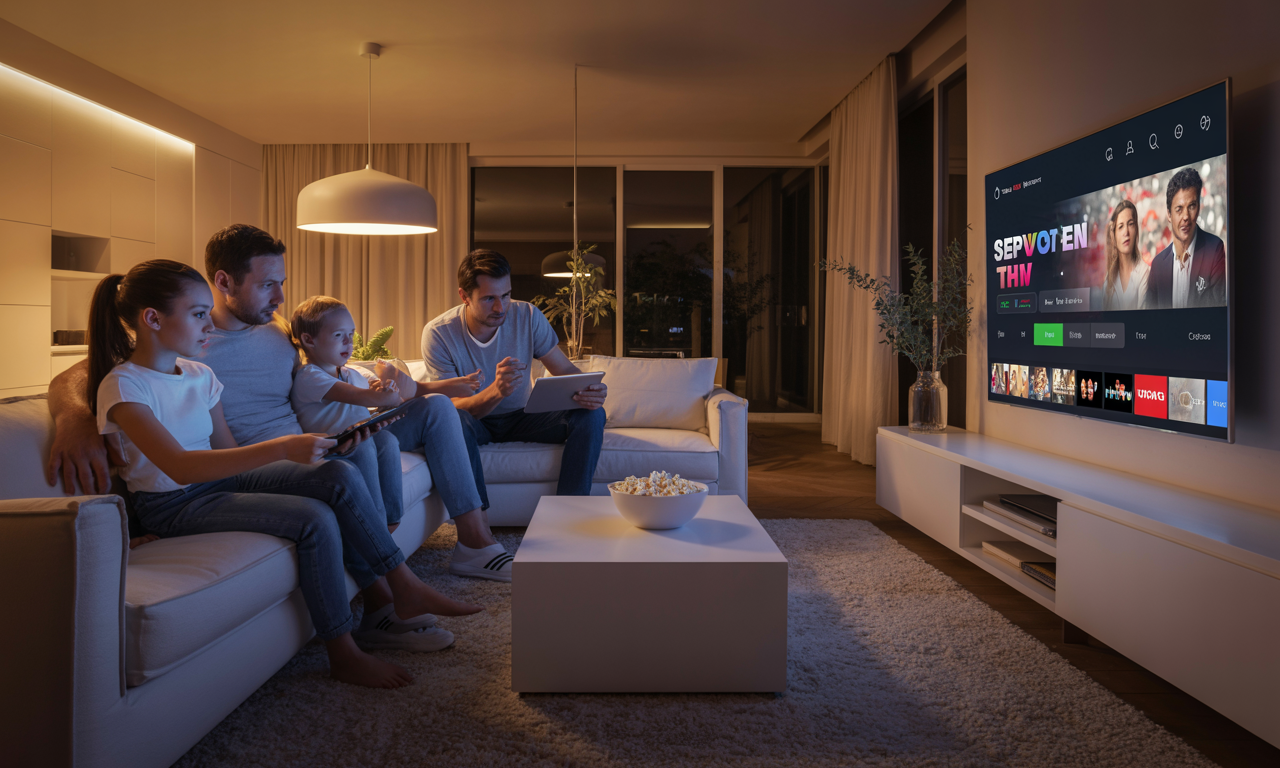
- Multiple Profiles: Services like Netflix and HBO Max allow separate user profiles, ensuring personalized experiences for families sharing a single account.
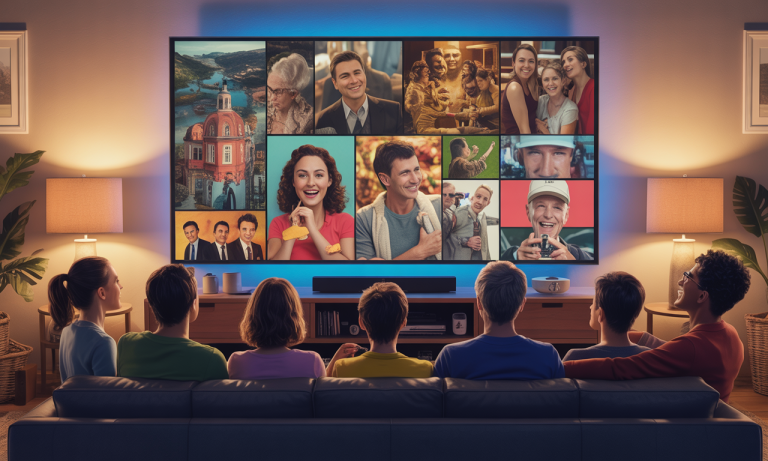
- Expansive Content Libraries: Platforms host diverse genres, from indie documentaries to global hits, broadening the cultural palette available to viewers.
- User-Generated Content Integration: YouTube and Tubi, among others, empower users to contribute and consume content dynamically, blurring lines between creators and audiences.
Ultimately, this personalized approach not only increases user satisfaction but also emboldens viewers to venture into previously unexplored entertainment territories.
Innovations in Storytelling and Production Enabled by Streaming
Freed from traditional broadcast constraints, content creators now experiment with innovative formats and production styles tailored for streaming audiences.
- Variable Episode Lengths: No longer bound by fixed time slots, creators adjust episode duration to best serve narrative needs.
- Nonlinear and Anthology Formats: Series often play with time and structure, enhancing viewer engagement and novelty.
- Original Programming Boom: Platforms like Amazon Prime Video and Apple TV+ invest heavily in exclusive content, heightening quality and competitiveness.
- Global Storytelling: Diverse cultural perspectives gained broader exposure thanks to the international accessibility of streaming.
These shifts signal a renewed creative freedom that continues to redefine how stories are told and received in the streaming era.
Social Impacts and Challenges Emerging from Streaming Trends
The rise of streaming reshapes not only individual habits but also communal and social dynamics surrounding media consumption.
- Virtual Watch Parties: Platforms facilitate synchronized viewing among friends or families remotely, fostering shared experiences despite physical distance.
- Social Media Synergy: Immediate online reactions and discussions generate dynamic fan engagement yet risk spoilers due to asynchronous consumption.
- Subscription Fatigue: Proliferation of platforms like Peacock and Paramount+ demands multiple subscriptions, burdening consumers financially.
- Content Overload: The overwhelming volume of offerings can lead to decision paralysis among viewers.
While these challenges complicate the entertainment landscape, they also push for innovation in user experience and platform strategies, emphasizing quality and ease amid abundance.
Streaming’s Role in Transforming Traditional Media and Economy
Transitioning audiences have drastically altered legacy media industries and economic models.
- Cord-Cutting Phenomenon: Falling cable subscriptions highlight consumers’ preference for flexible, on-demand streaming options.
- Media Industry Adaptation: Traditional networks launch their own platforms or collaborate with streaming services to remain competitive.
- Economic Growth: Increases in original content production foster job creation and stimulate related creative sectors.
- Subscription Revenue Models: Predictable monthly incomes encourage investment but prompt consumer assessment of service value.
This redefinition of media economics underlines streaming’s transformative power over industry norms.
Looking Ahead: Emerging Technologies and Future Viewing Habits
Technological progress continues to influence how streaming services evolve and how audiences consume content in the coming years.
- Enhanced Connectivity: 5G expansion promises smoother streaming experiences with higher resolution and less buffering.
- Augmented and Virtual Reality: AR and VR may offer immersive, interactive storytelling beyond passive watching.
- AI-Driven Personalization: Further refinement in algorithms could perfectly tailor content discovery and recommendations.
- Smart Home Integration: Seamless access via voice commands or smart devices will enhance convenience.
Balancing these advances with mindful consumption practices will be crucial as viewers navigate an ever-expanding sea of entertainment options in 2025 and beyond.