



Exploring the impact of series on modern culture
 By
Freya Donnelly
By
Freya Donnelly
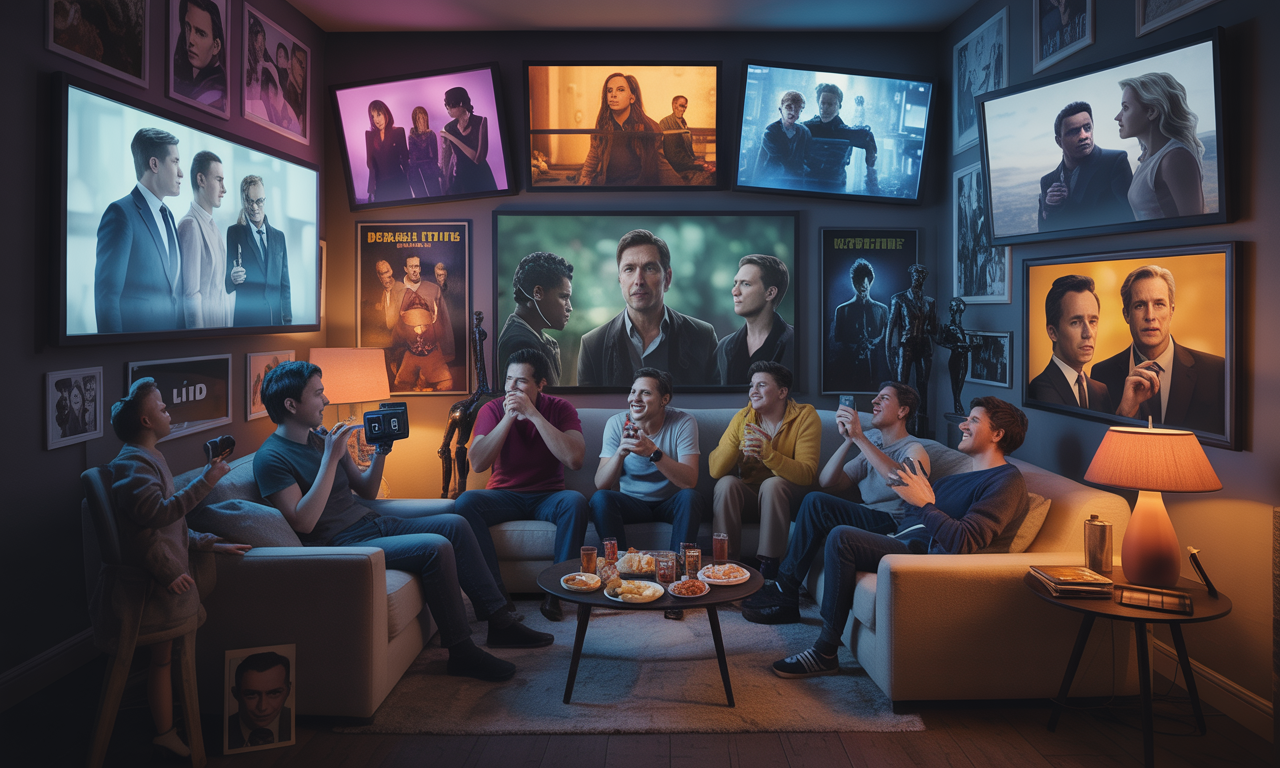
In recent years, television series have transcended their role as mere entertainment to become powerful cultural phenomena, deeply influencing modern society. From traditional broadcasts to the dynamic offerings of streaming giants like Netflix, Hulu, Amazon Prime Video, and Disney+, series have evolved into complex narratives that reflect and shape societal values, norms, and conversations. Their ability to engage viewers through intricate character development and multi-season story arcs creates an immersive experience unlike any other media form. Moreover, by tackling diverse themes, from LGBTQ+ representation in shows like “Sex Education” to the exploration of political structures in “The West Wing”, these series have broadened the horizons of cultural discourse. This deep dive examines how series have emerged as a pivotal force in modern culture, reshaping not only entertainment but also social understanding and collective identity.
The Golden Era of Television: Setting the Stage for Cultural Transformation
Long before streaming platforms revolutionized content consumption, television laid the groundwork for influential storytelling. Classic programs like “The Twilight Zone” and “The Simpsons” carved out spaces for social critique and cultural satire, while dramas like “M*A*S*H” ingeniously balanced humor and serious commentary during turbulent times. The late 1990s ushered in what is often hailed as television’s “Golden Age,” with groundbreaking series such as “The Sopranos” and “The Wire” proving that television could rival cinema in depth and complexity.
- Character-driven narratives: Allowed audiences to form lasting connections with multifaceted characters.
- Exploration of societal themes: Addressed issues such as war, race, and family dynamics openly.
- Critical acclaim and cultural impact: Elevated television’s status as a respected art form.
This era marked a transformation in how television was perceived, setting a precedent for the layered storytelling and cultural engagement we see today. These foundations created fertile ground for the streaming revolution that would follow, promising unprecedented access and variety in series entertainment.
Streaming Platforms: Shaping Viewer Habits and Expanding Cultural Conversations
The shift to on-demand streaming fundamentally altered the entertainment landscape. Platforms such as Netflix, Hulu, Amazon Prime Video, Disney+, HBO, Apple TV+, BBC, CBS, FX, and Peacock have not only changed how content is consumed, they have reshaped cultural dialogues globally. Binge-watching entire seasons became a new norm, transforming serialized storytelling into a continuous, immersive experience.
- Accessibility: Series available anytime, anywhere, eroding geographical and scheduling barriers.
- Diverse content offerings: From mainstream hits like “Stranger Things” to niche productions that highlight underrepresented communities.
- Global fandoms and social media engagement: Facilitating widespread discussion and cultural exchange.
This accessibility and inclusivity have made television a central arena for exploring identity and societal values. The cultural engagement with series has become increasingly interactive, with fans analyzing plot lines, debating character choices, and voicing social perspectives in real time.
What Makes Television Series Addictive and Culturally Resonant?
The allure of series entertainment lies in several key elements that deeply engage viewers.
- Extended character development: Offers a nuanced exploration of personal growth across episodes and seasons.
- Long-form storytelling: Intricately woven plots keep audiences invested through cliffhangers and evolving narratives.
- Reflection of contemporary issues: Tackling themes such as mental health, politics, gender, and social justice.
- Escapism paired with relatability: Balancing fantastical elements with authentic emotional experiences.
These factors combine to create a unique bond between the audience and the content, transforming passive viewing into an active cultural experience.
Diversity and Inclusion: How Modern Series Mirror Social Progress
Today’s television landscape showcases an unprecedented commitment to representing a wide spectrum of voices and experiences. Unlike earlier eras dominated by homogenous narratives, contemporary series embrace stories that traverse cultural, gender, and socio-economic boundaries.
- “Sex Education” and “Euphoria” explore LGBTQ+ identities and youth mental health with candor.
- “The Queen’s Gambit” highlights female empowerment against traditional male-dominated arenas.
- “The Handmaid’s Tale” critiques gender oppression and political extremism, resonating with contemporary activism.
- “Orange Is the New Black” offers a multifaceted portrayal of marginalized communities, including racial minorities and LGBTQ+ individuals.
This embrace of diversity enriches cultural understanding, encourages empathy, and challenges viewers to reconsider stereotypes and social norms. Platforms like HBO and Apple TV+ have become hubs for such pioneering content, fostering dialogues that transcend entertainment.
The Role of Series in Social Change and Awareness
Historical and contemporary series alike have contributed to profound social conversations:
- “The Cosby Show” redefined Black family representation and shattered racial stereotypes during its time.
- “Will & Grace” advanced LGBTQ+ visibility and acceptance in mainstream media.
- “Roots” educated audiences about America’s racial history and systemic oppression.
- “Black Mirror” provokes reflection on technology’s ethical impact on society.
Through storytelling, these series encourage critical thinking and offer perspectives that can shift public opinion and inspire activism.
The Future of Series Entertainment: Innovation and Immersive Storytelling
Looking forward, the evolution of series entertainment promises a fusion of technology and narratives that could redefine viewer engagement. Emerging virtual reality (VR) and augmented reality (AR) platforms, coupled with interactive formats like Netflix’s pioneering “Bandersnatch”, open pathways for immersive storytelling experiences.
- Interactive narratives: Allowing viewers to influence plot outcomes and character decisions.
- Enhanced accessibility: Use of technology to bridge language and cultural divides.
- High-budget productions: Increasingly cinematic in scope, rivaling blockbuster films in quality.
- Cross-platform integration: Expanding stories across media such as games, podcasts, and social networks.
As the lines between television and cinema blur, the role of series as a mirror and molder of culture is set to intensify, heralding a new era of cultural engagement.
Continue reading